Locations:





Functional outcomes, reducing treatment waits are key metrics

Image content: This image is available to view online.
View image online (https://assets.clevelandclinic.org/transform/3080f725-f3ed-4a57-b22c-5d92f9a62c6b/conversation_650x450_jpg)
conversation_650x450
In an attempt to address escalating costs and inconsistent quality, healthcare systems are shifting from traditional fee-for-service, volume-based reimbursement to patient-focused, value-based approaches.
Advertisement
Cleveland Clinic is a non-profit academic medical center. Advertising on our site helps support our mission. We do not endorse non-Cleveland Clinic products or services. Policy
Value-based models emphasize effective, appropriate care and reward providers who achieve the best treatment outcomes at the lowest cost.
Cleveland Clinic Cancer Center has embraced the value-based care approach and is scrutinizing all aspects of how cancer patients’ treatment is managed, to improve outcomes and maximize efficiency.
In this video, Taussig Cancer Institute Chairman Brian J. Bolwell, MD, FACP, discusses how to define and measure value in cancer care.
Video content: This video is available to watch online.
View video online (https://www.youtube.com/embed/sTKYp5aJeHM?feature=oembed)
Photo Credit ©Russell Lee
Advertisement
Advertisement

First-of-its-kind research investigates the viability of standard screening to reduce the burden of late-stage cancer diagnoses

Global R&D efforts expanding first-line and relapse therapy options for patients

Study demonstrates ability to reduce patients’ reliance on phlebotomies to stabilize hematocrit levels

A case study on the value of access to novel therapies through clinical trials

Findings highlight an association between obesity and an increased incidence of moderate-severe disease

Cleveland Clinic Cancer Institute takes multi-faceted approach to increasing clinical trial access 23456
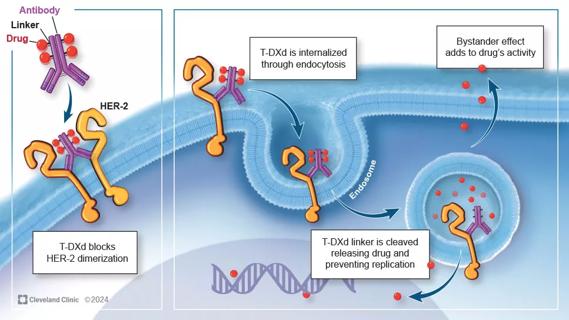
Key learnings from DESTINY trials

Overall survival in patients treated since 2008 is nearly 20% higher than in earlier patients
 Search