Locations:
Search IconSearch
February 4, 2021/Cancer/News & Insight

Spurred by Pandemic, ASCO Issues Recommendations on Oncology Research and Care

Recommendations focus on streamlining research and improving access to care
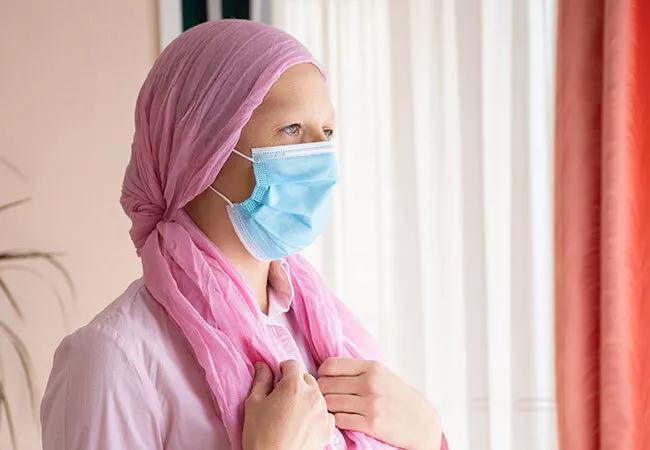
breast cancer patient

No industry has been more affected by the COVID-19 pandemic than healthcare. While some changes in clinical research and care have been disruptive and damaging, others have brought about needed improvements to research practices and care delivery.

Advertisement

Cleveland Clinic is a non-profit academic medical center. Advertising on our site helps support our mission. We do not endorse non-Cleveland Clinic products or services. Policy

The American Society of Clinical Oncology (ASCO) convened a steering group of research and medical professionals to look at how emerging data and lessons learned from the pandemic should inform future policies and practices in oncology. Their report was published in the Journal of Clinical Oncology.

“We have made recommendations to keep some of the positive changes brought on by the pandemic and build on them rather than going back to the way things were beforehand,” says Nathan Pennell, MD, PhD, Director of the Cleveland Clinic Cancer Center Lung Cancer Medical Oncology Program, who was a member of the ASCO Steering Group’s Research Task Force.

Making clinical research more accessible, affordable and equitable

Last spring, when the pandemic hit, many pharmaceutical companies quickly halted or delayed trials, resulting in a steep decline in enrollment. This led research regulators, sponsors and funders to introduce more flexible regulations and procedures that ASCO and others have long supported. They made cancer clinical trials more accessible and efficient and less costly, while maintaining patient safety, scientific integrity and data quality.

The ASCO report recommends the following changes:

  • Offer patients remote/virtual consent with e-signatures.
  • Allow remote administration of study-related treatment, including remote patient assessments and use of local laboratories and imaging facilities.
  • Limit the collection of biospecimens for research purposes only.
  • “Design trials that are more pragmatic, align with routine clinical care and provide flexibility for patient assessments.”
  • Simplify, streamline and standardize protocol requirements and research operations to minimize administrative and regulatory burdens on research sites, including flexible options for site selection, study implementation and data collection.
  • Adopt common, centralized and interoperable technology platforms between sites, sponsors and contract research organizations (CROs).
  • “Provide cross-training to clinical investigators and research staff and enable remote work options.”
  • Increase the use of central institutional review boards (IRBs) to improve the efficiency of study oversight and reduce costs by eliminating the review of the same study by multiple institutions.
  • “Develop guidance on the opportunities and challenges related to public release of non-peer-reviewed reports.”

Advertisement

“Clinical research has become so onerous, it has kept people and institutions from conducting studies. Everyone is enthusiastic about making trials cheaper and more efficient and the results more broadly applicable to patients. Hopefully over the next few years, we will see institutions adopting these recommendations,” says Dr. Pennell.

Promote access to safe, high-quality cancer care

While critical cancer treatment continued during the pandemic, routine cancer screenings were put on hold. “We lost a year of screening and identifying early-stage patients, resulting in a huge drop in patients being seen and adverse consequences. It will be a challenge to get back to where we were,” says Dr. Pennell.

The pandemic exposed longstanding inequities in healthcare access and outcomes, one of the areas addressed in ASCO’s cancer care delivery recommendations:

  • Enhance data collection and monitoring of COVID-19’s impact on patients with cancer, including social determinants of health (SOH) to ensure that minority and low-income populations have equal access to screening and treatment.
  • Expand access to public and private insurance and reduce out-of-pocket costs; examine the impact that limiting social programs, such as SNAP and housing assistance, has on healthcare outcomes.
  • “Develop baseline IPC (infection prevention and control) standards for chemotherapy delivery to mitigate transmission of infectious agents.”
  • Limit home infusion of anticancer therapy to exceptional circumstances
  • Ensure practices have access to necessary PPE.
  • “Advance policies that ensure that oncology practices have sufficient resources to provide high-quality patient care: grants and loans made during the pandemic should not be restricted and specific funds should be allocated to practices serving underserved areas.”
  • Address caregiver burnout: reduce the stigma concerning and improve access to behavioral health support and psychiatric care and assess impact on workforce retention.
  • Increase reimbursement for behavioral health support and psychiatric care for patients.
  • Improve patient access to high-quality cancer care via telemedicine – ensure insurance coverage and reimbursement; conduct research and analysis to establish standards of care and best practices; and use quality measures to evaluate effective use.

Advertisement

ASCO will be working to advance these changes to ensure that the healthcare system and ASCO members are best positioned to care for patients in the years following the public health emergency.

Advertisement

Related Articles

Doctors working on MGUS screening study
March 18, 2024/Cancer/Research
Pilot Study Aims for Early Identification of Multiple Myeloma Precursor Among Black Patients

First-of-its-kind research investigates the viability of standard screening to reduce the burden of late-stage cancer diagnoses

Hematologist at Cleveland Clinic
March 14, 2024/Cancer/Blood Cancers
Advances in Mantle Cell Lymphoma Treatment (Podcast)

Global R&D efforts expanding first-line and relapse therapy options for patients

Physician with patient
March 6, 2024/Cancer/Research
Targeting Uncontrolled Erythrocytosis in Polycythemia Vera with Rusfertide

Study demonstrates ability to reduce patients’ reliance on phlebotomies to stabilize hematocrit levels

Dr. Jagadeesh at Cleveland Clinic
February 28, 2024/Cancer/Blood Cancers
Treating Patient with Systemic T-Cell Lymphoma and Graft-Versus-Host Disease

A case study on the value of access to novel therapies through clinical trials

Doctor measuring patient's waist size
February 26, 2024/Cancer/Research
Impact of Obesity on GVHD & Transplant Outcomes in Hematologic Malignancies

Findings highlight an association between obesity and an increased incidence of moderate-severe disease

Physician with patient
February 21, 2024/Cancer/Research
Strategies for Improving Clinical Trial Equity

Cleveland Clinic Cancer Institute takes multi-faceted approach to increasing clinical trial access 23456
How antibody drug conjugates work
February 13, 2024/Cancer/Research
Real-World Use of Trastuzumab Deruxtecan

Key learnings from DESTINY trials

CQD-4445459-rotz-650×450
February 7, 2024/Cancer
Advances in Bone Marrow Transplant Have Improved Outcomes in Fanconi Anemia

Overall survival in patients treated since 2008 is nearly 20% higher than in earlier patients

Ad