Locations:





Hearing loss and its treatments are often misunderstood by both the public and healthcare professionals
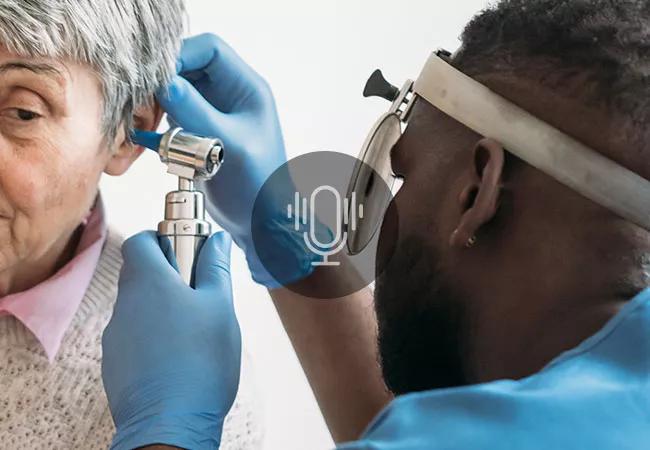
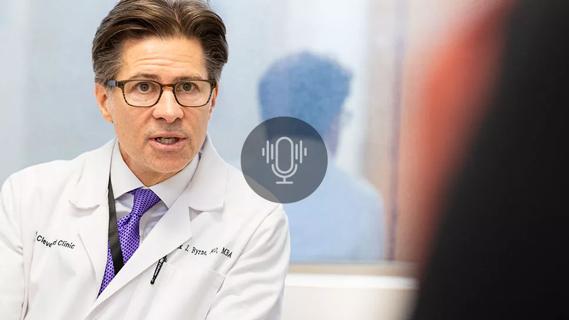
Image content: This image is available to view online.
View image online (https://assets.clevelandclinic.org/transform/dac9a877-55fe-4edd-9e46-3e99d2f9303e/23-HNI-4397541-PodcastFlip-HearingImplantProgram-CQD_650x450_jpg)
hearing loss
Podcast content: This podcast is available to listen to online.
Listen to podcast online (https://www.buzzsprout.com/2241209/13504220)
Hearing loss is the third most common chronic health condition in older adults. However, approximately half of all primary care providers believe there’s nothing you can do about it and only about 15% think it’s preventable.
Advertisement
Cleveland Clinic is a non-profit academic medical center. Advertising on our site helps support our mission. We do not endorse non-Cleveland Clinic products or services. Policy
“Being able to understand what hearing loss is, how to interact with people who have hearing loss and offering opportunities for how to manage it best is incredibly important, but it’s also really, really misunderstood,” says Sarah Sydlowski, AuD, PhD, MBA, associate chief improvement officer of Cleveland Clinic’s Head and Neck Institute and audiology director of the institute’s Hearing Implant Program.
In a recent episode of Cleveland Clinic’s Head and Neck Innovations podcast, Dr. Sydlowski discusses hearing health perceptions and tools for caring for patients across the hearing loss spectrum. She delves into:
Click the podcast player above to listen to the episode now, or read on for a short edited excerpt. Check out more Head and Neck Innovations episodes at clevelandclinic.org/podcasts/head-and-neck-innovations or wherever you get your podcasts.
Podcast host Paul Bryson, MD, MBA: What does the research tell you about the downstream implications of putting hearing loss perhaps at a lower level of priority?
Sydlowski: Gosh, there’s a lot of things. Somebody asked me recently, what health conditions does hearing impact? The answer is really that it impacts all of them because hearing is what connects us to people. And so, if you’re not hearing well – you’re not able to hear your healthcare provider well – it’s much less likely that you’re going to be able to follow up on their recommendations, that you’re going to be able to be compliant. So, hearing loss has the potential to impact every single aspect of our health.
Advertisement
We have seen data that suggests that hospital readmissions are higher in patients who have untreated or undermanaged hearing loss. We know that hearing loss has some association or connection to depression, cognitive decline. It’s actually the No. 1 most modifiable risk factor for Alzheimer’s disease in middle age. And we’re all talking on a regular basis about what do we do about Alzheimer’s? What do we do about dementia? And recognizing that hearing loss is important and connected early and doing something about it could be a very easy way to start to mitigate what is a huge healthcare problem in the U.S.
We also know that hearing loss is connected to social isolation. I think coming out of COVID, we all had the opportunity to experience what social isolation can really feel like. None of us liked it. And as doors continue to open, I think everybody’s really happy and excited to be able to reconnect with people and the things that we love to do. But if you are someone with hearing loss, that social isolation continues because when it’s not managed, you’re still not able to connect fully to the people you care about, to participate fully in a job that you love – maybe even to stay in the workforce – to feel connected to the activities that keep you vital and engaged as you move into older adulthood.
So, the implications are just enormous, and it’s amazing actually that there’s such a gap between the knowledge and the actions that people take, knowing how important hearing loss is for every other aspect of our life.
Advertisement
Advertisement
With a wide scope of skills, comprehensive otolaryngologists care for patients of all ages in the community
Research on children with UHL explores the quality-of-life benefits and outcomes of cochlear implants
A look at how custom-fitted oral appliances work and when they’re a good fit for patients
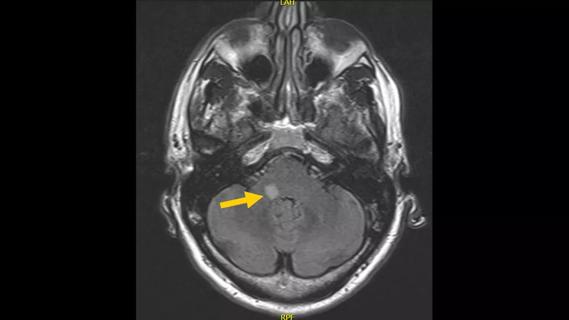
Subtle information gleaned from clinical examinations prompted concern
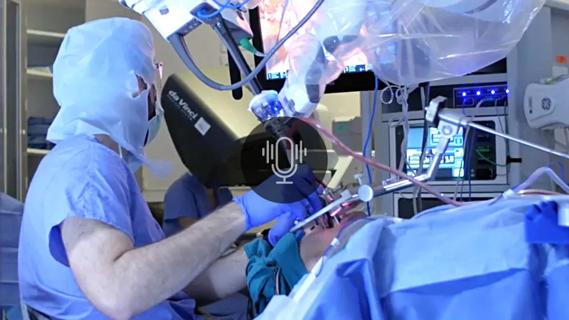
A new single-port system well-suited for oropharyngeal cancer treatment
Challenging case requires outside-the-box approach
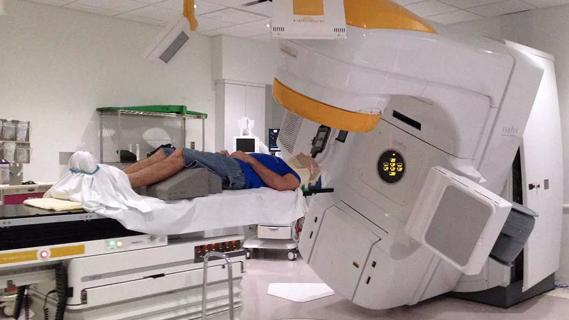
Collaborative and multidisciplinary approach necessary for treatment
The tri-vector gracilis procedure uses a thin muscle from the thigh to help create a natural mimetic smile
 Search