Locations:





Driving advances in cancer care
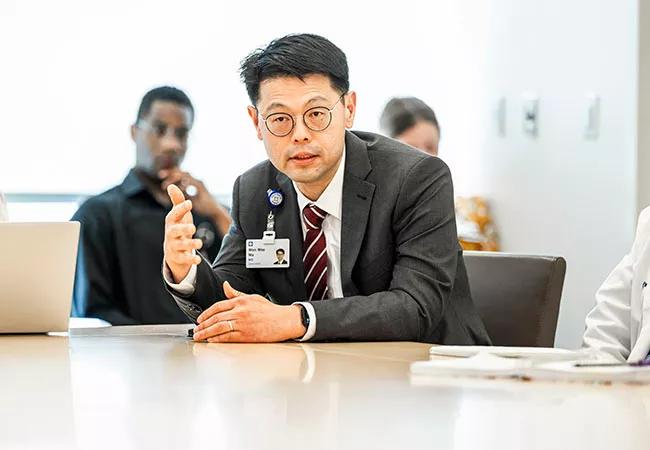
Image content: This image is available to view online.
View image online (https://assets.clevelandclinic.org/transform/53298848-0204-4722-85e8-56bec772641f/23-CNR-3936111-CQD-Ma-Novel-Therapeutics-Center-featureiamge-Dr-Ma_jpg)
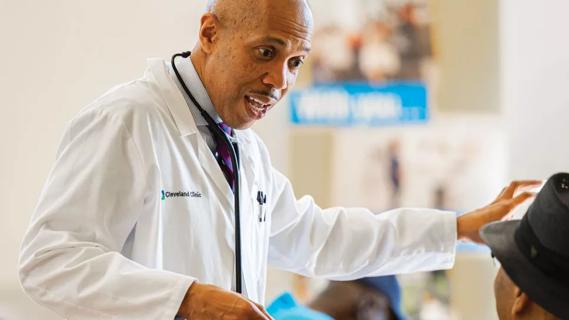
CNR_Vickroy_4031758_Novel Theraputics Clinic Meeting_07-10-22_ML
From theranostics to modified cell therapy, the landscape of cancer treatment has changed substantially in recent years, bringing fresh hope as well as new challenges for those caring for patients. The Novel Cancer Therapeutics Center at Cleveland Clinic’s Taussig Cancer Center is bringing together researchers, geneticists and specialists to support patients and healthcare providers in this complex new realm.
Advertisement
Cleveland Clinic is a non-profit academic medical center. Advertising on our site helps support our mission. We do not endorse non-Cleveland Clinic products or services. Policy
“The technology is becoming more advanced so that we are delivering increasingly sophisticated cancer treatments like antibody drug conjugates and immune cell stimulators,” says Wen Wee Ma, MBBS, the inaugural Director of the Novel Cancer Therapeutics Center. “It can be challenging for patients and providers to navigate and access these cutting-edge yet complex anti-cancer therapies that are just entering clinical testing. The center aims to be a central driver for these early phase therapeutic trials across the Clinic, and to help patients and clinicians navigate these complexities. At the same time, patients are surviving longer, and facing new types of side effects such as that from immunotherapy. We aim to be a leader in developing the expertise and helping clinicians manage these treatment complications.”
The Novel Cancer Therapeutics Center has five key areas of focus:
Advertisement
The vision isn’t confined to any one cancer type. “More and more, we’re thinking about how to treat cancers according to their underlying biological processes instead of according to which organ the cancer started in,” explains Dr. Ma. “Over the past 5-10 years, it’s been exciting to see new treatments being approved based on molecular abnormalities. In that same vein, in our research we’re incorporating what we understand about cancer processes and the way they respond to treatment.”
Dr. Ma is recruiting a growing team of researchers in the Novel Cancer Therapeutics Center who will form a multi-modality program to guide patients who may benefit from participation in complex early-stage clinical trials. The team is working in concert with Cleveland Clinic’s Learner Research Institute (LRI) to bring newly-discovered treatments in the lab into clinical trials. At the same time, the team meets regularly with LRI staff to share notable learnings they’ve gleaned in the clinic.
One of the first initiatives being launched in the center is the Oncology Pharmacovigilance Clinic. Some patients receiving immunotherapy develop autoimmune diseases such as colitis, hepatitis, hypothyroidism or inflammatory lung disease that may persist after stopping the treatment.
“As oncologists, we need help to better understand and manage those complications,” explains Dr. Ma. “Taussig Cancer Institute is already a leader in this emerging field. “We have assembled a multidisciplinary team together with other departments and institutes, including rheumatology, endocrinology, gastroenterology and dermatology, to focus on this challenge. ”The goal is to be a one-stop consultative clinic and be a resource for cancer providers within and outside of Cleveland Clinic in caring for their patients.
Advertisement
Learn more in our podcast episode with Director of the Novel Cancer Therapeutics Center, Wen Wee Ma, MBBS.
Advertisement
Advertisement
First-of-its-kind research investigates the viability of standard screening to reduce the burden of late-stage cancer diagnoses

Global R&D efforts expanding first-line and relapse therapy options for patients
Study demonstrates ability to reduce patients’ reliance on phlebotomies to stabilize hematocrit levels
A case study on the value of access to novel therapies through clinical trials

Findings highlight an association between obesity and an increased incidence of moderate-severe disease
Cleveland Clinic Cancer Institute takes multi-faceted approach to increasing clinical trial access 23456
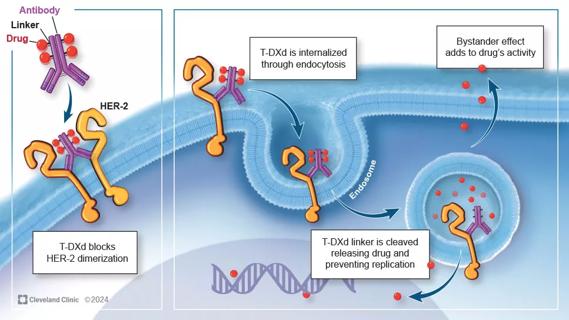
Key learnings from DESTINY trials

Overall survival in patients treated since 2008 is nearly 20% higher than in earlier patients
 Search