Locations:





Donors and community celebrate grand opening

Image content: This image is available to view online.
View image online (https://assets.clevelandclinic.org/transform/3bbf7ab8-001d-4ee7-a064-b0ec4e7d50e4/CCFLaCancerblg_690x380_jpg)
CCFLaCancerblg_690x380
In February, Cleveland Clinic Florida marked the opening of the new Egil and Pauline Braathen Center, a 144,000-square-foot facility housing the expanded Pauline Braathen Neurological Center and Maroone Cancer Center. The celebration began with a special night to recognize the donors whose generosity made the building possible, and a weekend of community health screenings and tours of the facility. Doors officially opened to patients on March 2.
Advertisement
Cleveland Clinic is a non-profit academic medical center. Advertising on our site helps support our mission. We do not endorse non-Cleveland Clinic products or services. Policy

Image content: This image is available to view online.
View image online (https://assets.clevelandclinic.org/transform/9e634f25-d824-4861-b1d9-db1c05fde4be/braathen-ribbon3-960x400_jpg)
Pauline Braathen cuts the ribbon to the entrance of the new building, joined by (L to R) Steven Roshon, MD, Nestor Galvez-Jimenez, MD, and CEO Toby Cosgrove, MD
The Maroone Cancer Center was designed with patient-centered features and amenities in mind including advanced diagnostic, radiosurgery and radiotherapy capabilities; a leading-edge family friendly chemotherapy infusion suite; and full-spectrum patient support and services.
“This building was designed to provide hope and world-class care in a time when we see more neurological diseases and cancers than ever as the population ages,” says Wael Barsoum, MD, President of Cleveland Clinic Florida.
Learn more about the Maroone Cancer Center at Cleveland Clinic Florida.
Advertisement
Advertisement
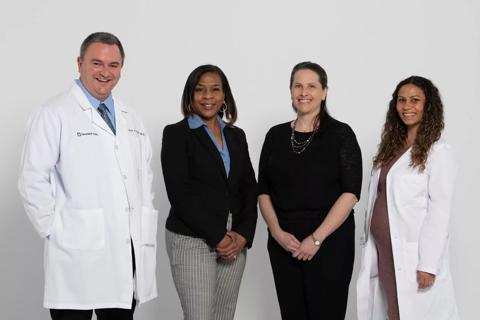
First-of-its-kind research investigates the viability of standard screening to reduce the burden of late-stage cancer diagnoses

Global R&D efforts expanding first-line and relapse therapy options for patients

Study demonstrates ability to reduce patients’ reliance on phlebotomies to stabilize hematocrit levels
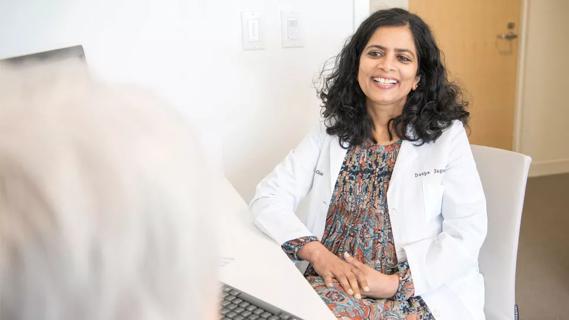
A case study on the value of access to novel therapies through clinical trials

Findings highlight an association between obesity and an increased incidence of moderate-severe disease

Cleveland Clinic Cancer Institute takes multi-faceted approach to increasing clinical trial access 23456
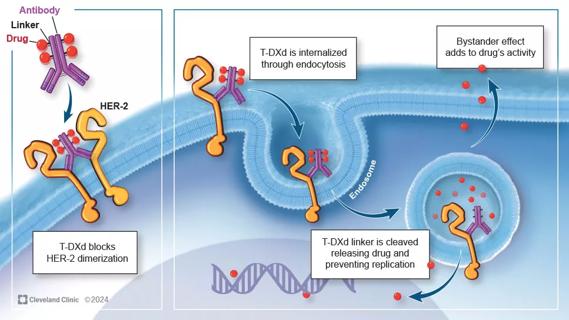
Key learnings from DESTINY trials

Overall survival in patients treated since 2008 is nearly 20% higher than in earlier patients
 Search