Locations:





Researching and operationalizing a new therapy
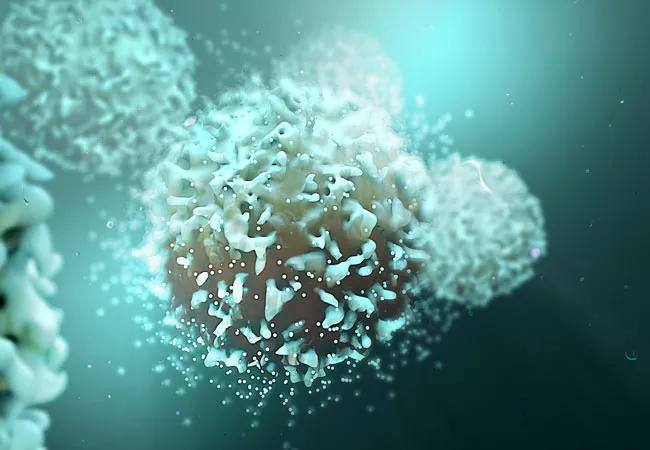
Image content: This image is available to view online.
View image online (https://assets.clevelandclinic.org/transform/1bbc4cfe-356d-4ad7-b750-a886d83a7934/T-cells_650x450_jpg)
T-cells_650x450
In recent years, the momentum created by the initial effectiveness of chimeric antigen receptor (CAR) T-cell therapy has prompted team-based research efforts in cellular therapy at Cleveland Clinic.
Advertisement
Cleveland Clinic is a non-profit academic medical center. Advertising on our site helps support our mission. We do not endorse non-Cleveland Clinic products or services. Policy
Hematologist and oncologist Betty Hamilton, MD, Associate Director of the Blood and Marrow Transplant Program, is working to help coordinate and operationalize novel cellular therapies within different cancer programs across Cleveland Clinic Cancer Center to support participation in and expansion of new clinical trials.
“We have a team, the Cellular Therapy Assist Team (CAT) housed within the Blood and Marrow Transplant (BMT) program that supports other disease groups, such as myeloma, leukemia, thoracic oncology and melanoma, in understanding how to manage cell therapy trials and resources,” Dr. Hamilton says.
The team consists of physicians, research coordinators, nursing and program managers. Team members discuss the logistics and operations of cellular therapy collection and administration within clinical research trials. The group also reviews the portfolio of studies and opportunities for new research and expansion while collaborating between disease groups.
“As research in cellular therapies continues to grow, we have expanded along with it; with many research coordinator and nursing positions becoming full-time positions,” Dr. Hamilton explains. “We saw the need for dedicated team members to help support other research teams to open cellular therapy clinical trials, assist with the administration of therapy as well as monitoring for symptoms of those patients. We’ve created a successful model for collaborative research and experience in cellular therapy among different disease groups.”
Advertisement
Clinical trials have revealed potentially severe adverse effects of CAR T-cell therapy, including cytokine release syndrome (CRS) and neurotoxicity (ICANS). Researchers at Cleveland Clinic have utilized an unbiased, discovery-based approach to investigate whether a patient’s metabolic makeup may either predispose them to an adverse reaction following treatment or reduce the risk of developing severe toxicity. Metabolomic screening uncovered three metabolites negatively associated with ICANS and 23 associated with CRS. Researchers found that pre-existing signatures present in the plasma at the time of apheresis are strongly associated with toxicities observed in response to CAR T-cell therapies.
“We hope that such findings will eventually better prepare and empower clinicians for how to treat patients following CAR-T cell immunotherapy,” says Neetu Gupta, PhD, Director of Lerner Research Institute’s Center of Excellence in Lymphoid Malignancies Research.
As Dr. Hamilton begins a new year, she is encouraged by the growth and expansion in cellular therapy research. She says a team-based research approach like the CAT team is what makes Cleveland Clinic so special.
“It takes a village to participate in cellular therapies and clinical research. The key to success really is in bringing people from different specialties together for one goal and then sharing research and operationalizing knowledge and experience,” Dr. Hamilton says. “By being in tune with research and working toward the same vision, we can continue to grow this field of therapy.”
Advertisement
Advertisement
First-of-its-kind research investigates the viability of standard screening to reduce the burden of late-stage cancer diagnoses

Global R&D efforts expanding first-line and relapse therapy options for patients
Study demonstrates ability to reduce patients’ reliance on phlebotomies to stabilize hematocrit levels
A case study on the value of access to novel therapies through clinical trials

Findings highlight an association between obesity and an increased incidence of moderate-severe disease
Cleveland Clinic Cancer Institute takes multi-faceted approach to increasing clinical trial access 23456
Key learnings from DESTINY trials

Overall survival in patients treated since 2008 is nearly 20% higher than in earlier patients
 Search