Locations:





Palliative Y90 treatment may get earlier application
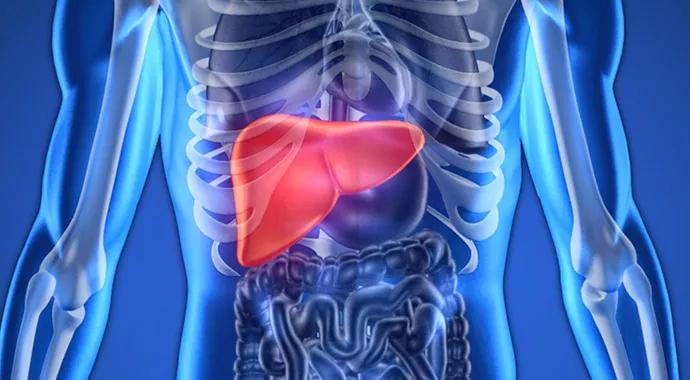
Image content: This image is available to view online.
View image online (https://assets.clevelandclinic.org/transform/de697b13-3bc7-4e56-aad0-c6078ef1c9c6/liver-690x380_jpg)
liver-690×380
Patients with primary hepatocellular cancers who receive Y90 liver embolization therapy can see life expectancy stretch from 7 to 8 months to 2 to 3 years.
Advertisement
Cleveland Clinic is a non-profit academic medical center. Advertising on our site helps support our mission. We do not endorse non-Cleveland Clinic products or services. Policy
With this procedure, radioactive (Y90) resin or glass-based particles are delivered by catheter and provide a continuing radiation dose for approximately three and a half weeks to targeted tissues. The results typically are documented via imaging three and six months out. It can benefit patients whose disease is in the liver, or liver dominant disease in which the liver may have responded well to chemotherapy but the liver metastasis is still progressing.
Cholangiocarcinoma is sometimes intrahepatic and also responds well to radioembolization, says Gordon McLennan, MD, Cleveland Clinic Department of Interventional Radiology and Bioengineering. In rare cases, radioembolization also can help breast cancer metastasis to the liver. For instance, if other metastases throughout the body respond to chemotherapy, but a liver tumor does not.
“Unfortunately, most of the time patients with metastatic breast cancer have fairly widespread cancer elsewhere if it has metastasized to the liver. Occasionally, the disease is well controlled elsewhere but in the liver it is progressing,” says Abraham Levitin, MD, Clinical Director, Interventional Radiology.
Radioembolization is FDA approved for the treatment of colorectal cancer with liver-dominant metastasis. It’s typically given as a third-line palliative treatment following first and second-line chemotherapy. Now, Cleveland Clinic is participating in study of the value of radioembolization earlier in the treatment cycle, in conjunction with second-line chemotherapy.
Advertisement
Cleveland Clinic is also evaluating another particle type, TheraSphere®, in which are small glass spheres made radioactive in a nuclear reactor, for hepatocellular and colorectal cancers. The TheraSphere® device is currently designated a Humanitarian Use Device by the FDA for patients with primary liver cancer.
“When we treat patients with oncologic disease of the liver, it is critical that there be a team approach because there are some really good chemotherapies and what we do in interventional oncology can’t be viewed in isolation of the overall medical oncology,” says Dr. McLennan.
Cleveland Clinic‘s interventional radiology team consults with radiation oncologists, medical oncologist, hepatologists and liver surgeons to discuss the best comprehensive course of care – radioembolization is one tool on the spectrum, from resection and transplantation to chemotherapies, chemo embolization, ablation and radiation oncology, as well as clinical trial participation. Interventional radiologists also work closely with referring oncologists to time radioembolization during a chemo holiday and immediately start up chemo therapy following the procedure.
“With oncologists working with us on combined treatment, sometimes we can downstage a patient. That’s a typical scenario that comes up with cancer patients just beyond the criteria for liver transplant or resection,” says Dr. Levitin.
Alok Khorana, MD, Cleveland Clinic Department of Solid Tumor Oncology, adds, “With its potential high impact on survival, radioembolization is a tool that we factor into the overall cancer care plan when the liver is involved. Interventional Radiology works well with oncologists to coordinate the timing of the procedure with chemotherapy treatment.”
Advertisement
Advertisement

First-of-its-kind research investigates the viability of standard screening to reduce the burden of late-stage cancer diagnoses

Global R&D efforts expanding first-line and relapse therapy options for patients

Study demonstrates ability to reduce patients’ reliance on phlebotomies to stabilize hematocrit levels

A case study on the value of access to novel therapies through clinical trials

Findings highlight an association between obesity and an increased incidence of moderate-severe disease

Cleveland Clinic Cancer Institute takes multi-faceted approach to increasing clinical trial access 23456
Key learnings from DESTINY trials

Overall survival in patients treated since 2008 is nearly 20% higher than in earlier patients
 Search