Locations:





Inpatient service is grueling, but a chance to teach and grow
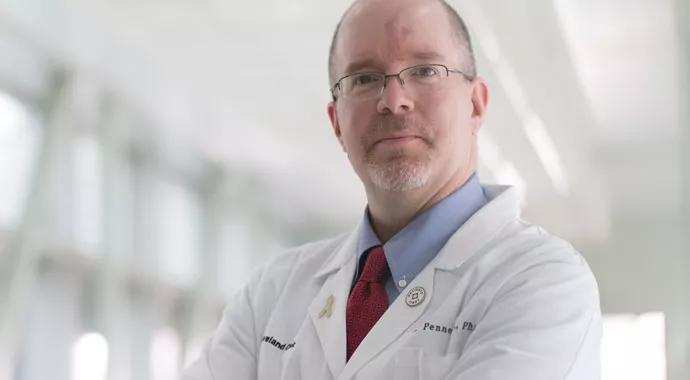
Image content: This image is available to view online.
View image online (https://assets.clevelandclinic.org/transform/d4c4ebe2-ae0e-4b10-bc15-f1aec1c287e7/pennell_690x380_jpg)
pennell_690x380
Many oncologists dread inpatient hospital service. The obligatory two weeks on the cancer wards are an endurance test that wrecks sleep patterns and saps precious family time.
Advertisement
Cleveland Clinic is a non-profit academic medical center. Advertising on our site helps support our mission. We do not endorse non-Cleveland Clinic products or services. Policy
But there are positive aspects to the attending experience, too. As Cleveland Clinic oncologist Nathan Pennell, MD, PhD, writes in his latest ASCO Connection blog post, inpatient service is a chance to test old medical skills, revive empathy and resilience, and maybe influence a resident’s career path.
“It is easy to joke about inpatient service, which many oncologists dread as an unpleasant but necessary evil to keep their RVUs up, but personally I enjoy my time attending on the wards and this time more than most. Yes, I didn’t see my wife and son much for 15 days, I had to move into the spare bedroom to preserve marital harmony, and my New Year’s resolution to eat better and exercise was quickly put on hold, but there were many positive aspects as well.
As a subspecialist in lung cancer, my time on the wards is my only chance to be a general oncologist and see patients with everything from multiple myeloma to malignant melanoma. I get to diagnose new cases of high-grade lymphoma and stretch my chemo CHOPs beyond my standard fare of platinum doublets. I can even test my old internal medicine skills (Board certified but not participating in MOC). Is that atrial flutter or was the patient shivering when this EKG was taken? The patient is eating a hot dog and watching the playoffs, but was admitted for sepsis because his lactate was high? Who wants to hear about pretest probability and how that affects the likelihood of a true positive test? (By the way, do not try to teach this concept over the phone to an ED physician at 2 AM).
In truth, I rely heavily on my residents for most of the internal medicine management, and I am there mostly to teach and lend my “wisdom” to our patients’ care… One of my proudest moments was talking to one of the seniors late at night when he called to tell me a patient was actively dying. We had discussed this possibility earlier in the day when the patient was started on comfort care, and he had taken the lead on the discussion about goals at the end of life. Although I offered to come in, our preparations helped him feel comfortable speaking to the family and managing the patient in their final hours. I can envision many such discussions in his future life in the MICU and think this type of experience can only help him develop as an intensivist.”
Advertisement
Advertisement
First-of-its-kind research investigates the viability of standard screening to reduce the burden of late-stage cancer diagnoses

Global R&D efforts expanding first-line and relapse therapy options for patients
Study demonstrates ability to reduce patients’ reliance on phlebotomies to stabilize hematocrit levels
A case study on the value of access to novel therapies through clinical trials
Findings highlight an association between obesity and an increased incidence of moderate-severe disease
Cleveland Clinic Cancer Institute takes multi-faceted approach to increasing clinical trial access 23456
Key learnings from DESTINY trials

Overall survival in patients treated since 2008 is nearly 20% higher than in earlier patients
 Search