Locations:





Can PACT pinpoint vulnerable patients?
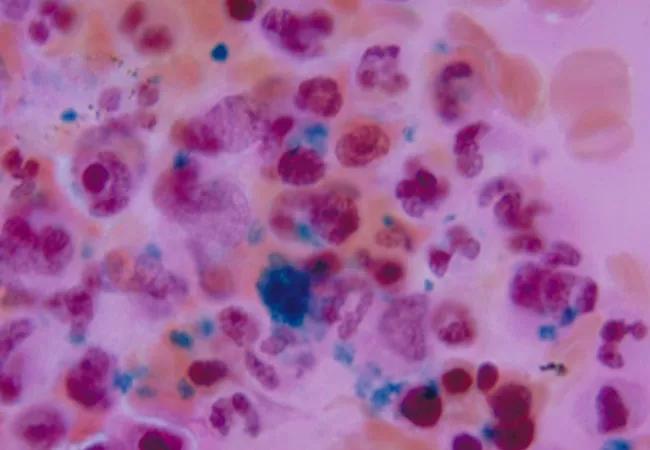
Image content: This image is available to view online.
View image online (https://assets.clevelandclinic.org/transform/3236494c-365f-4615-924d-ae92f7d1c2c6/19-CNR-641-MajhailPact-650x450_jpg)
19-CNR-641-MajhailPact-650×450
A tool used to assess psychosocial variables in potential solid organ transplant recipients may also provide predictive benefits for patients under consideration for hematopoietic cell transplantation (HCT), finds a study recently published in Bone Marrow Transplantation.
Advertisement
Cleveland Clinic is a non-profit academic medical center. Advertising on our site helps support our mission. We do not endorse non-Cleveland Clinic products or services. Policy
HCT recipients routinely undergo comprehensive assessment by social workers to screen for any psychological and social issues that may put them at high risk for poor outcomes. This evaluation also serves to identify patients who need additional support and resources to help them successfully navigate the transplant process. Psychosocial factors are among the many variables considered in candidate selection for HCT. However, there are no validated tools to quantify and compare psychosocial risk in patients who are undergoing workup for HCT.
Researchers studied the Psychosocial Assessment of Candidates for Transplant (PACT) tool, which was originally designed to assess psychosocial risks in solid organ transplant recipients. “We know from our previous studies that psychosocial issues can impact recovery and survival after allogeneic hematopoietic cell transplantation,” says Navneet Majhail, MD, Director of Cleveland Clinic’s Blood & Marrow Transplant (BMT) Program and senior author of the study. “Issues such as psychiatric comorbidities, socioeconomic status, caregiver availability and substance abuse are important factors that need to be considered in our patient selection process. Most importantly, we need better ways of identifying patients who need that extra support to get through transplant.”
PACT is a validated and routinely used tool in solid organ transplant candidate assessment. This eight-item rating scale addresses social support, psychological health, lifestyle factors and understanding of transplant and support. The final PACT score also includes the clinician’s assessment of patient compliance, substance abuse and coping strategies; it can range from 0 to 4, with a low score indicating high-risk patients and a score of 4 reflecting a lack of adverse psychosocial risk factors.
Advertisement
Researchers analyzed 610 consecutive adult patients from Cleveland Clinic’s BMT database who received a first transplant between 2003 and 2014. Social workers completed PACT with 404 of the patients pretransplant. The final PACT score was 0-1 in 5 percent (N = 21), 2 in 22 percent (N = 87), 3 in 44 percent (N = 177) and 4 in 29 percent (N = 119) of patients assessed. Patients with a low score who did not proceed to transplant were not included.
The researchers found a significant trend in higher PACT scores in Whites, patients with higher median household income, patients with lower HCT-CI score at the time of transplant, patients with better Karnofsky performance status and patients receiving HCT from a related donor. When patient and disease factors were considered, the final PACT score was associated with non-relapse mortality (HR 0.82, 1-point increase, P = 0.03). The association did not hold when transplant-related factors and performance status were included.
“These results allow us to identify a subgroup of patients who may need more support and resources during the transplantation process,” says Dr. Majhail. “The role of a collaborative team that includes social workers in transplant assessment and follow-up is critical for all patients, but may be more critical for this subgroup.”
“I think PACT is a helpful tool for assessing psychosocial risks in patients being considered for HCT,” he continues. “We need to study other potential tools or modifications and develop a standardized assessment so that we can identify vulnerable patients, provide additional support and improve their outcomes.”
Advertisement
Image: Photomicrograph of a Prussian blue-stained bone marrow smear. Source: CDC Public Health Image Library.
Advertisement
Advertisement

First-of-its-kind research investigates the viability of standard screening to reduce the burden of late-stage cancer diagnoses

Global R&D efforts expanding first-line and relapse therapy options for patients

Study demonstrates ability to reduce patients’ reliance on phlebotomies to stabilize hematocrit levels

A case study on the value of access to novel therapies through clinical trials

Findings highlight an association between obesity and an increased incidence of moderate-severe disease

Cleveland Clinic Cancer Institute takes multi-faceted approach to increasing clinical trial access 23456
Key learnings from DESTINY trials

Overall survival in patients treated since 2008 is nearly 20% higher than in earlier patients
 Search