Locations:





Dedicated multidisciplinary teams support 84 ultra-rare cancers
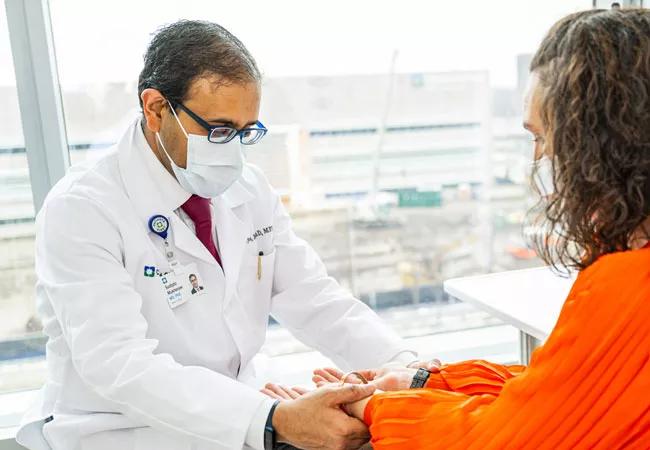
Image content: This image is available to view online.
View image online (https://assets.clevelandclinic.org/transform/382c4ef9-7235-44cb-8482-8f8d8410b566/23-CNR-4270908-CQD-Hero-Dr-Mukherjee-rare-cancers-650x450-1_jpg)
23-CNR-4270908-CQD-Hero-Dr Mukherjee rare cancers 650×450
Often it takes several years for those with a rare cancer to receive a diagnosis, and even then, only a small percentage of these conditions have FDA-approved treatments. Adding to the complexity, many of these cancers have multisystem involvement.
Advertisement
Cleveland Clinic is a non-profit academic medical center. Advertising on our site helps support our mission. We do not endorse non-Cleveland Clinic products or services. Policy
Cleveland Clinic Cancer Center and the National Organization for Rare Disorders (NORD) are working together to shorten the diagnostic odyssey, reduce the time-to-treatment and improve patients’ outcomes, including quality of life. As a NORD Rare Disease Center of Excellence, Cleveland Clinic Cancer Center offers a pathway to established teams of specialists who focus exclusively on diagnosing and treating 84 different ultra-rare cancers and blood conditions.
The Cleveland Clinic Rare Cancer program was established with the following key elements:
Advertisement
“If a cancer center doesn’t have a formalized system in place, it can cause long diagnostic and treatment delays and anxiety for patients with rare conditions,” explains Cleveland Clinic Director of Rare Cancers and Blood Diseases Sudipto Mukherjee, MD, PhD, MPH. “We developed a dedicated physician disease matrix that includes clinicians from multiple specialties who work together on each of the listed 84 conditions. If someone calls with a rare form of kidney cancer, for example, we have a dedicated team of experts exactly for that condition already working together as a team who can manage that patient’s care.”
The best chance of managing rare cancers and improving outcomes is often through participation in a clinical trial. A member of the NORD Rare Disease Registry, Cleveland Clinic Cancer Center offers virtual and in-person consults, as well as access to a wide range of clinical trials. “While some patients from outside the area choose to receive their care here in Cleveland, for those patients looking to be closer to home, we have adopted a shared care management approach between the rare cancer team in Cleveland and the patient’s local oncologist or hematologist,” says Dr. Mukherjee.
Knowing the toll that a rare disease can take on families, the team brings together resources to help care for the whole patient as well their caregivers. “There are a litany of hardships patients may face,” says Dr. Mukherjee. “Some have spent years searching for a diagnosis, leading to physical and mental anguish, hospitalizations, pain or job loss. Others may be worried that the disease could be genetic and impact their loved ones. Our goal is to work in partnership with NORD to make the journey as simple and manageable as possible for patients and their loved ones.”
Advertisement
Physicians, patients and families can also visit NORD’s I Am Rare web page to access a variety of resources, including:
“We’re working together to synergize all these resources in a way that makes it easier for patients to navigate,” explains Dr. Mukherjee.
To make a referral, please visit http://www.clevelandclinic.org/cancerreferrals.
Advertisement
Advertisement
First-of-its-kind research investigates the viability of standard screening to reduce the burden of late-stage cancer diagnoses

Global R&D efforts expanding first-line and relapse therapy options for patients
Study demonstrates ability to reduce patients’ reliance on phlebotomies to stabilize hematocrit levels
A case study on the value of access to novel therapies through clinical trials

Findings highlight an association between obesity and an increased incidence of moderate-severe disease

Cleveland Clinic Cancer Institute takes multi-faceted approach to increasing clinical trial access 23456
Key learnings from DESTINY trials

Overall survival in patients treated since 2008 is nearly 20% higher than in earlier patients
 Search