Locations:





Should institutions adopt “time to treatment” as a new quality metric?
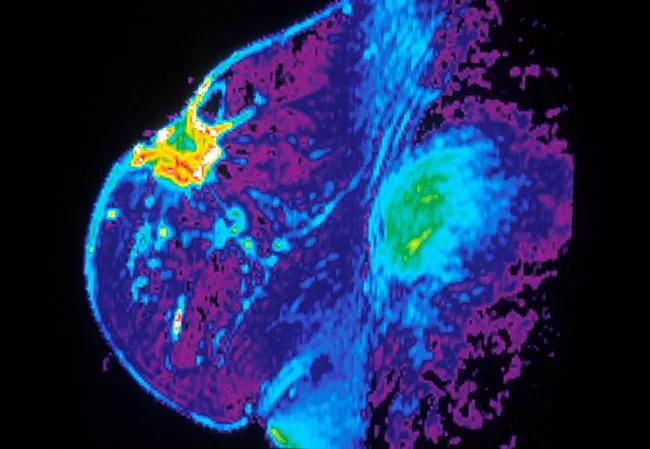
Image content: This image is available to view online.
View image online (https://assets.clevelandclinic.org/transform/44ba106b-8749-4aaa-95a1-1c34e60d498f/nci-vol-2706_650x450_jpg)
nci-vol-2706_650x450
A delay of more than 38 weeks from the time of breast cancer diagnosis to completion of all three treatment modalities appears to decrease the likelihood of survival regardless of tumor stage, Cleveland Clinic researchers have found.
Advertisement
Cleveland Clinic is a non-profit academic medical center. Advertising on our site helps support our mission. We do not endorse non-Cleveland Clinic products or services. Policy
Previous studies have shown that treatment delays can decrease survival in patients with breast cancer. However, this new analysis of nationwide data is believed to be the first to examine the association between survival and the entire time interval from diagnosis to completion of all acute breast cancer treatment modalities – surgery, chemotherapy and radiation therapy.
The findings were recently published in the Annals of Surgical Oncology by Debra Pratt, MD, Medical Director of Cleveland Clinic’s Fairview Breast Program, and colleagues.
The retrospective analysis of 28,284 patients with breast cancer from the National Cancer Database revealed that, with a median follow-up of 5.8 years, delays of more than 38 weeks were associated with a statistically significant reduction in survival after adjustments for confounders, with a hazard ratio of 1.21. “The message is that time to treat does matter,” says Dr. Pratt. “We need to provide efficient, systemwide multidisciplinary care for our breast cancer patients.”
The reduction in survival with treatment delays beyond 38 weeks was found among all receptor types. “The takeaway here is that we should not triage patients based on receptor status,” she explains.
Surprisingly, delays beyond 38 weeks were more common in patients who underwent neoadjuvant chemotherapy prior to surgery than in those who underwent surgery as their first treatment (63.7% vs. 39.4%). On average, the completion of all treatment modalities took 27 to 30 more days in women who had received neoadjuvant chemotherapy first than in those who initially underwent surgery.
Advertisement
“There has been an unspoken assumption among many that it is faster to initiate chemotherapy than to prepare a patient for surgery; however, the data do not support this,” emphasizes Dr. Pratt. “The efficient initiation of treatment is needed for both oncologists and surgeons.”
In an editorial recently published in the Annals of Surgical Oncology, Dr. Pratt and her study coauthor, Stephen R. Grobmyer, MD, Institute Chair of the Oncology Institute at Cleveland Clinic Abu Dhabi, discuss the impetus for improving time to treatment in patients with breast cancer.
In 2014, Dr. Grobmyer, then the Co-Director of the Comprehensive Breast Cancer Program at the main Cleveland Clinic campus in Ohio, led a multidisciplinary initiative with time from diagnosis to first treatment as a quality measure. The research team met weekly to address and manage delays, using continuous improvement processes and value stream mapping. A dedicated data manager was also hired.
These efforts resulted in a 33% reduction in median days from diagnosis to first treatment, from 29 down to 25 days for internally diagnosed patients and from 41 to 31 days for those diagnosed externally.
Although some delays are unavoidable, one of the team’s goals is to optimize the time patients and clinicians spend waiting for insurance approvals and other nonclinical impediments. “We try to accomplish as much as we can during these waits,” explains Dr. Pratt. For example, appointments with geneticists, fertility experts and other specialists can be scheduled during downtimes. “Substantial progress can be made with strong teamwork and excellent communication,” she adds.
Advertisement
However, there’s more work to be done. “If we put all our efforts into shortening the time to first treatment, we don’t yet know if we will have the capability and resources to provide the remaining care in less than 38 weeks,” says Dr. Pratt. “Are there delays not yet identified when transitioning between treatment modalities? It’s a complex issue that will require ongoing process improvements.”
Although Drs. Pratt and Grobmyer believe that a breast cancer “time to treatment” quality improvement metric is worthwhile, they caution that it shouldn’t become a goal unto itself. That is, important steps like metastatic workups shouldn’t be omitted in attempts to merely shorten the treatment time frame. “The adoption of time-to-completion multimodality therapy as a quality measure has the potential to improve breast cancer treatments, resulting in improved patient experience and outcomes,” they conclude.
Advertisement
Advertisement

First-of-its-kind research investigates the viability of standard screening to reduce the burden of late-stage cancer diagnoses

Global R&D efforts expanding first-line and relapse therapy options for patients

Study demonstrates ability to reduce patients’ reliance on phlebotomies to stabilize hematocrit levels

A case study on the value of access to novel therapies through clinical trials

Findings highlight an association between obesity and an increased incidence of moderate-severe disease

Cleveland Clinic Cancer Institute takes multi-faceted approach to increasing clinical trial access 23456
Key learnings from DESTINY trials

Overall survival in patients treated since 2008 is nearly 20% higher than in earlier patients
 Search