Locations:





Registry study finds elevated risk of autism, related problems
Image content: This image is available to view online.
View image online (https://assets.clevelandclinic.org/transform/2216da89-ecb5-4284-ad58-383420d72ab0/690x380-Autism_jpg)
690×380-Autism
Even if they don’t have autism themselves, sisters and brothers of children with autism spectrum disorder (ASD) may carry traits that need attention. So suggests new research from Cleveland Clinic Children’s Center for Autism.
Advertisement
Cleveland Clinic is a non-profit academic medical center. Advertising on our site helps support our mission. We do not endorse non-Cleveland Clinic products or services. Policy
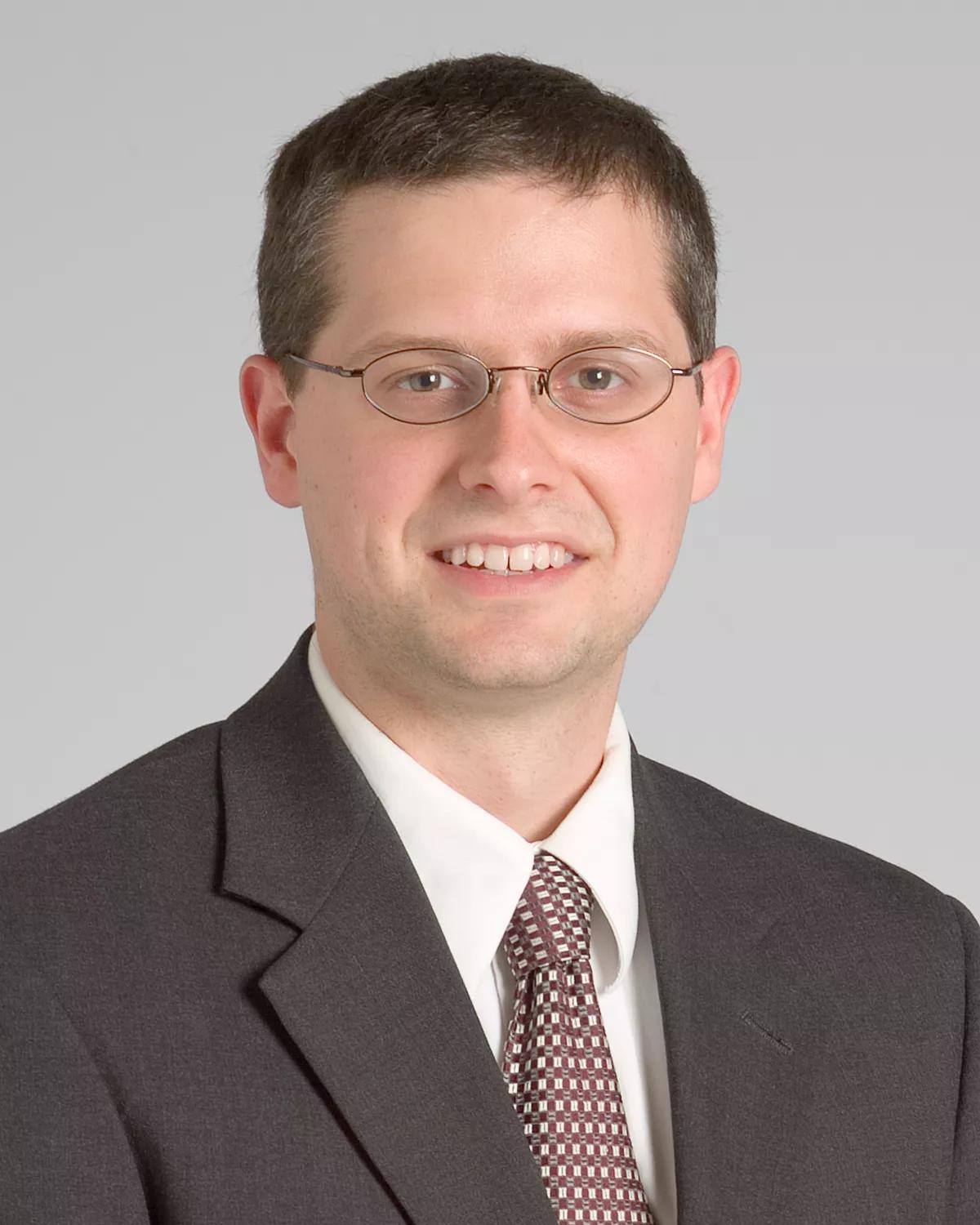
Image content: This image is available to view online.
View image online (https://assets.clevelandclinic.org/transform/b4900944-b886-4edd-9866-ecef2e09adc6/Thomas-Frazier_jpg)
Thomas Frazier, PhD
“In families that are affected by autism, you want to pay close attention to the siblings and make sure they’re not affected by autism or something related,” says Center for Autism Director Thomas Frazier, PhD, who led the new study, published October 27 in Molecular Autism. He collaborated with Cleveland Clinic Genomic Medicine Institute Chair Charis Eng, MD, PhD, and colleagues from several other U.S. and Canadian institutions.
Among 2,577 families with at least one child with ASD, the researchers identified three high-risk family scenarios:
Siblings who don’t have ASD but whose families fit one of these three situations merit special attention for several reasons, Dr. Frazier says. “These sibs really need to be looked after carefully because they have elevated traits and may be at risk of passing along autism to their kids when they’re older,” he explains. “And even if they don’t have autism, they may have other diagnoses like attention deficit hyperactivity disorder or anxiety. Or they may just have problems that require specific treatment, like speech therapy or occupational therapy.”
The study data came from the Interactive Autism Network, an Internet-based registry for families with one or more children with ASD. In all, there were 2,262 families with one child diagnosed with ASD and 315 families with more than one. At least one female with ASD was present in 459 of the families.
Advertisement
Among the findings:
Cleveland Clinic Children’s Center for Autism provides comprehensive care for ASD-diagnosed children as well as their non-ASD siblings with other needs, but that is not the case everywhere, Dr. Frazier notes.
“I think as we’re learning about these subtle difficulties that kids have, it’s important not to forget about them and focus only on those with more obvious difficulties,” he says. “We need better treatment services both for people with autism and for their siblings who may require other forms of care.”
Advertisement
Advertisement

Try these moves to relieve butt pain and numbness
Systemic change needed to improve health outcomes for parents and children, say researchers
Rare genetic variant protected siblings against seizures and severe hypoglycemia
Movie has more positive impact than expected, says Head of Adolescent Medicine
Genetic changes are similar between some vascular anomalies and cancers
Expert panel advises a two-tier structure for surgical centers
Our new head of pediatric general and thoracic surgery shares his passion and vision
Basic understanding of condition and treatment is lacking
 Search