Locations:





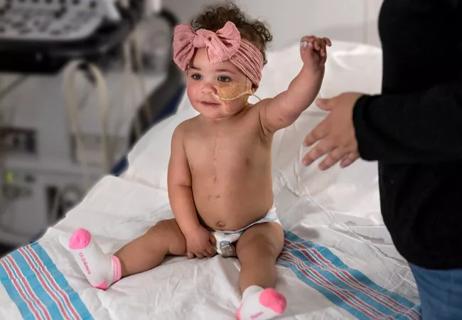
Easy bruising is a common symptom

Image content: This image is available to view online.
View image online (https://assets.clevelandclinic.org/transform/7ca7e25c-cded-41bb-a455-6ad1b7067e45/650x450-Von-Willebrands-disease_jpg)
650×450-Von-Willebrands-disease
Von Willebrand disease is a genetic bleeding disorder that affects approximately 1 percent of the general population, which makes it the most common bleeding disorder in the American population. Patients with this condition have a missing or defective von Willebrand factor – a protein that plays a critical role in blood clotting.
Advertisement
Cleveland Clinic is a non-profit academic medical center. Advertising on our site helps support our mission. We do not endorse non-Cleveland Clinic products or services. Policy
In this Q&A with Consult QD, pediatric hematologist Ravi Talati, DO, provides an update on the diagnosis and management of von Willebrand disease in pediatric patients. He is in Cleveland Clinic Children’s Hematology Oncology and Blood and Marrow Transplantation Department.
What causes von Willebrand disease and how prevalent is it?
Dr. Talati: Von Willebrand disease is an inherited bleeding disorder. It is an autosomal dominant trait, which means that it equally affects males and females. There are certain acquired forms of this disease, but in pediatrics we do not see those forms as often as the inherited type. There is no ethnic predominance in von Willebrand disease.
What is the difference between the three different types of von Willebrand disease?
Dr. Talati: Type 1 von Willebrand disease is the most common and is characterized by a deficiency of the von Willebrand factor. Type 3 is the rarest form; it is characterized by severe bleeding in the skin, mucous membranes and joints. Patients with type 3 disease present with a substantial decrease or complete absence of the von Willebrand factor. Type 2 von Willebrand disease has four different subtypes — type 2A, type 2B, type 2M and type 2N. Each of these subtypes is characterized by specific levels of the von Willebrand factor, platelet count and levels of Factor VIII — another protein involved in hemostasis. Type 2 subtypes may require more specific genetic testing for diagnosis.
What are the most common symptoms?
Dr. Talati: Patients will present to us with unusual skin bleeding, bruising or mucosal bleeding. Some female patients will present with heavy menses.
Advertisement
How is von Willebrand disease diagnosed?
Dr. Talati: When a pediatric patient presents with easy bruising, we will request a comprehensive blood test that looks at the different proteins and parameters involved in blood clotting: the von Willebrand factor antigens, activity of von Willebrand factor, and Factor VIII level. Additional testing includes an assessment of the size of the von Willebrand multimer, coagulation testing and a complete blood count.
How is this condition managed?
Dr. Talati: The treatment depends on the severity of the disease and patient situation. Patients with mild, type 1 von Willebrand disease do not necessarily require treatment on a regular basis but may require interventions in specific situations such as during nose bleeds or surgical procedures. In these situations, we can use intranasal sprays, oral or intravenous medications. The more severe disease may require replacement of the von Willebrand factor on a routine or demand basis.
If we know that a patient has von Willebrand disease, we would consider a DDAVP (desmopressin) challenge test. This will help us understand if a patient will respond to this medication. This can be helpful in surgical or trauma. Not all patients will respond to this medication.
What are the potential complications of von Willebrand disease if left untreated?
Dr. Talati: Generally, patients with severe disease will present early in life. Easy bruising and mucus membrane bleeding can occur for a multitude of reasons as a child grows. If the bleeding is severe and remains untreated, it can become life-threatening.
Advertisement
Advertisement

Try these moves to relieve butt pain and numbness

Systemic change needed to improve health outcomes for parents and children, say researchers
Rare genetic variant protected siblings against seizures and severe hypoglycemia

Movie has more positive impact than expected, says Head of Adolescent Medicine
Genetic changes are similar between some vascular anomalies and cancers
Expert panel advises a two-tier structure for surgical centers
Our new head of pediatric general and thoracic surgery shares his passion and vision
Basic understanding of condition and treatment is lacking
 Search