Locations:





How rehab therapy after transplant differs in pediatrics
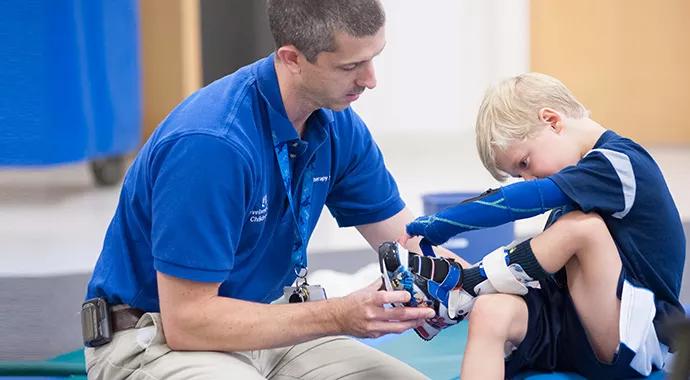
Image content: This image is available to view online.
View image online (https://assets.clevelandclinic.org/transform/896b71ed-a239-4d37-841a-54c4cca57822/690x380-McHugh_jpg)
690×380-McHugh
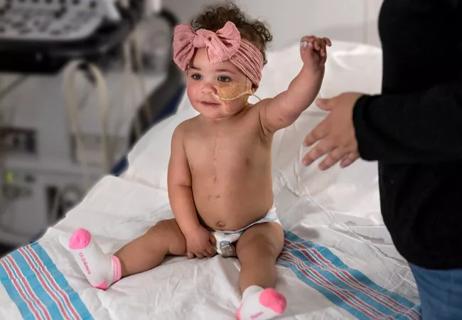
“I think there’s still a significant number of young transplant recipients who don’t come to rehab who could benefit from it,” says Michael McHugh, MD, Medical Director of Cleveland Clinic Children’s Hospital for Rehabilitation.
Advertisement
Cleveland Clinic is a non-profit academic medical center. Advertising on our site helps support our mission. We do not endorse non-Cleveland Clinic products or services. Policy
About one-third of pediatric patients who receive organ transplants at Cleveland Clinic undergo postoperative rehabilitation therapy, he notes, and those who do are most often kids with heart or liver transplants. The underlying organ failure in those particular types of transplantation tends to leave these children highly debilitated and in need of extensive functional recovery. But many more young transplant recipients, regardless of transplant type, stand to achieve better outcomes with specialized pediatric post-transplant rehabilitation.
“The main objectives of rehab therapy in pediatric transplant patients are building stamina and restoring muscle and joint function,” says Dr. McHugh.
While goals and techniques are similar to adult rehab, treatment approaches are distinctly pediatric. And they involve more than just child-sized walkers and other therapeutic equipment.
One of only about a dozen freestanding children’s rehab hospitals in the nation, Cleveland Clinic Children’s Hospital for Rehabilitation is staffed exclusively by pediatric specialists. This offers several distinct advantages for young transplant recipients:
Advertisement
Patients also can take advantage of the day hospital at the Children’s Hospital for Rehabilitation, where they come two to five days a week for intensive physical and occupational therapy, returning home each night. “This way, they can receive a significant amount of therapy while still reintegrating into family life,” says Dr. McHugh. “Seeing young patients regularly is a major benefit when working to rebuild their function.”
Most patients undergo two to three weeks of day hospital therapy, though some are treated longer. They then complete a period of outpatient physical therapy as needed.
“Even though we’re a stand-alone rehab hospital, our services are integrated with Cleveland Clinic Children’s,” says Dr. McHugh.
Hospitalists cover children’s rehab as well as Cleveland Clinic Children’s inpatient service. This consistency means that many transplant rehab patients are cared for by the same physicians that cared for them before their transplant.
“A deeper understanding of the patient’s condition and transplantation can aid in rehabilitation,” Dr. McHugh adds.
Advertisement
Advertisement

Try these moves to relieve butt pain and numbness

Systemic change needed to improve health outcomes for parents and children, say researchers
Rare genetic variant protected siblings against seizures and severe hypoglycemia

Movie has more positive impact than expected, says Head of Adolescent Medicine

Genetic changes are similar between some vascular anomalies and cancers
Expert panel advises a two-tier structure for surgical centers
Our new head of pediatric general and thoracic surgery shares his passion and vision
Basic understanding of condition and treatment is lacking
 Search