Locations:





 Search
Cleveland Clinic Children’s unique approach and recent 'cardiomyopathy center of care’ designation
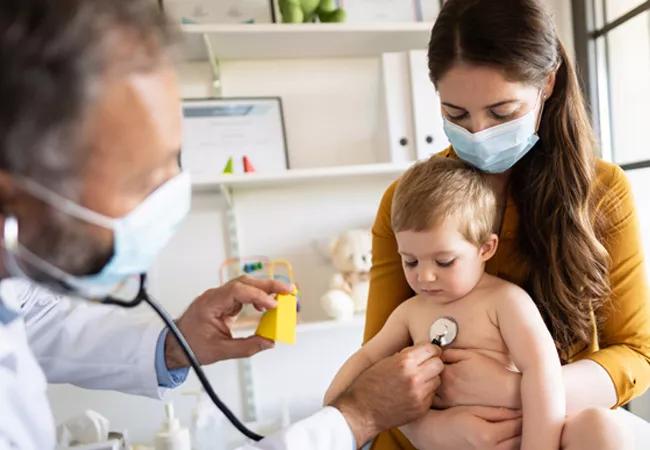
Image content: This image is available to view online.
View image online (https://assets.clevelandclinic.org/transform/73011665-37f4-4a38-bd7d-f4b8c5be5d9e/21-CHP-2598865-CQD-Boyle-Cardiomyopathy-Center-of-Care-650x450-1_jpg)
21-CHP-2598865 CQD Boyle – Cardiomyopathy Center of Care 650×450
Treatment for pediatric cardiomyopathy is palliative, but genetic screening and medications for managing the chronic condition have significantly improved over the past 30 years, improving diagnosis and allowing children to have more time with normal cardiac function.
Advertisement
Cleveland Clinic is a non-profit academic medical center. Advertising on our site helps support our mission. We do not endorse non-Cleveland Clinic products or services. Policy
Because some cardiomyopathies are known to be inherited, screening both siblings and parents is important to determine genetic predisposition, explains Gerard Boyle, MD, pediatric cardiologist and Medical Director of Pediatric Heart Failure/Transplant at Cleveland Clinic Children’s.
Adult and pediatric provider partnerships at Cleveland Clinic and Cleveland Clinic Children’s are uniquely suited to address continuity of care for the patient and their family. Dr. Boyle works closely with cardiovascular genetic specialists like Wilson Tang, MD, staff member in the Section of Heart Failure and Cardiac Transplantation Medicine in the Sydell and Arnold Miller Family Heart, Vascular & Thoracic Institute, to screen for familial cardiomyopathy.
The physicians work in tandem when a patient is diagnosed with genetic cardiomyopathy by referring the adult patient’s children or the pediatric patient’s parents to test for the same genetic defect.
In a recent case, a patient presented with a known familial cardiomyopathy: his paternal grandfather received a heart transplant, and the patient had an automatic implantable cardioverter-defibrillator to regulate cardiac rhythm. Through genetic screening, the TTN gene mutation, which accounts for approximately one-quarter of cases of familial dilated cardiomyopathy, was identified. As a result of this encounter, his 2-year-old son was then screened and tested positive for the same gene variant. The child’s cardiac function was normal, but Dr. Boyle cautions that close monitoring is warranted.
Advertisement
“At age 2, there isn’t significant self-awareness, which makes it difficult for the child to communicate symptoms if there are any. We will see him again in a few months to make sure there isn’t rapid deterioration,” he explains. “We can space this out as he gets a little older, but for this particular defect, monitoring becomes especially critical during the early teenage years, when changes to cardiac function are likely to develop—this is alongside other hormonal changes affecting organ function.”
In many cases, families with a history with a genetic cardiomyopathy, symptoms may present earlier in children of parents with the disease and may present earlier than prior generations, Dr. Boyle says, which is why monitoring his development in the coming years is so important.
If a change in his heart function is detected on an echocardiogram, the patient may be a candidate for medications that will arrest the deterioration, manage symptoms, and give the child more time with normal cardiac function.
He says, “When diagnosed early and started on medication early, these therapies can alter the natural history of these diseases; unfortunately, we can’t always do that— sometimes there is a rapid deterioration and we end up on a different path, like a path to transplant or other surgical interventions.”
“But we have new tools in our armamentarium that I didn’t have when I started out,” says Dr. Boyle, who has been practicing since 1993.
This specialized, expert care led to Cleveland Clinic Children’s recent designation as a Center of Care in Cardiomyopathy, recognized by the Children’s Cardiomyopathy Foundation. The distinction distinguishes centers with a high volume of cardiomyopathy patients, a variety of specialized pediatric services, and excellence in the management of cardiomyopathy in children.
Advertisement
Advertisement

Try these moves to relieve butt pain and numbness

Systemic change needed to improve health outcomes for parents and children, say researchers
Rare genetic variant protected siblings against seizures and severe hypoglycemia

Movie has more positive impact than expected, says Head of Adolescent Medicine
Genetic changes are similar between some vascular anomalies and cancers
Expert panel advises a two-tier structure for surgical centers
Our new head of pediatric general and thoracic surgery shares his passion and vision
Basic understanding of condition and treatment is lacking