Locations:





A closer look at training, scholarship and opportunity within this sub subspecialty
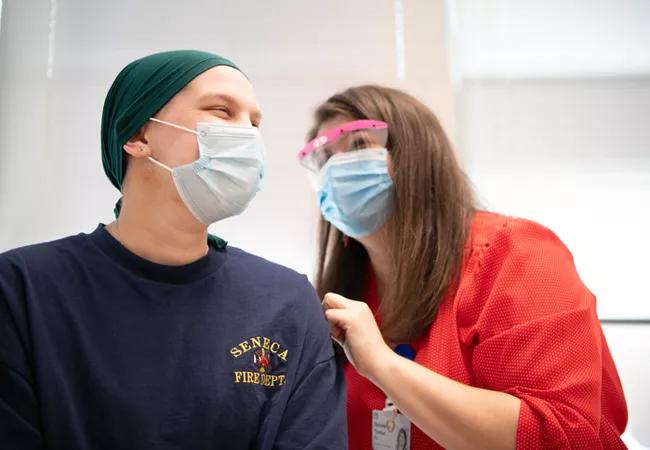
Image content: This image is available to view online.
View image online (https://assets.clevelandclinic.org/transform/9e70acbd-d667-45df-8454-692975fdcc73/23-CHP-3826419-CQD-Thomas-And-Kodish-Ethicists-Role_jpg)
23-CHP-3826419 CQD Thomas And Kodish – Ethicists Role
Growing interest in ethics within the field of pediatric hematology/oncology has led to calls for increased awareness and a more formalized professional pathway for the sub subspecialty discipline.
Advertisement
Cleveland Clinic is a non-profit academic medical center. Advertising on our site helps support our mission. We do not endorse non-Cleveland Clinic products or services. Policy
A team of pediatric hematologist/oncologists from centers across the U.S. published an article in Pediatric Blood & Cancer that highlights the modern experience of ethics within the discipline, recommendations for practice, and opportunities to strengthen and elevate the field.
One of the authors, Stefanie Thomas, MD, remarks, “While many of us have worked together on committees or projects, we realized there really isn’t a forum to collectively prioritize this work. Our goal was to help inform education, research and professional development within this niche — but incredibly important — realm.”
Already a subspecialty field, she says there are often no more than one or two pediatric hematology/oncology physicians at any center who are also involved in ethics work, so engagement and awareness of the discipline is critical to colleagues within and also outside of the subspecialty.
Within the discipline, practicing ethics can vary broadly based on micro- and macro-level contexts, like parent and patient decision-making for care or managing interventions during a nationwide chemotherapy shortage, respectively, as examples.
Eric Kodish, MD, senior author of the article, recently took part in a panel discussion at the national meeting of the American Society for Pediatric Hematology/Oncology addressing one of the most complex issues within the field — managing a scenario where the parent(s) refuse lifesaving treatment for a young child with a curable cancer.
“There are a plethora of challenging ethical situations that come up in pediatric hematology/oncology, but this may be the most difficult. Parental authority is important but not always the final word. Clinicians need sound ethical guidance when trying to decide whether or not they should go to the courts in an effort to save a child’s life.”
Advertisement
Other issues are more systemic, Dr. Thomas says. Members of their group have been counseling families and other clinicians about nationwide chemotherapy shortages, which prompted a multitude of ethical questions: “How do you prioritize who gets which drugs and when, and when can someone get an alternative chemotherapy plan versus when someone shouldn’t? How do you give that guidance?”
The authors define a wide range of ethical considerations and also discuss functions of clinical ethics consultation in practice, recommendations for avoiding bias, and address moral/emotional distress and preventive ethics.
While medical training requires inclusion of ethics at each level, there are inconsistencies in how this is implemented and evaluated. Therefore, opportunities and access to ethics training can vary significantly. Within a pediatric hematology/oncology fellowship, the authors note, emphasis is largely placed on ethics within clinical research.
Yes, there are dedicated formal training programs in residency and fellowship, but not every pediatric hematologist/oncologist develops an interest in bioethics during this time — sometimes it emerges later in practice.
Dr. Thomas did, however, become interested in ethics, particularly questions surrounding end-of-life care, during her fellowship. She was drawn to weighing the clinical, risk-benefit considerations involved in offering certain therapies. She completed a research fellowship in bioethics offered through Cleveland Clinic, and with the mentorship of Dr. Kodish, she published a paper and developed a consultative practice as well.
Advertisement
But what’s often missed in training and even within practice is an emphasis on how to navigate ethical dilemmas in real time.
At some institutions, there are forums for subspecialists and psychosocial providers designed to offer clinical support and navigate decision-making. Two of the paper’s authors lead such initiatives at their home programs, but this also varies widely across centers.
The authors note that the majority of ethics research within the discipline has focused on oncology, and specifically within the areas of informed parental consent, early stage clinical trials, genomics, communication, treatment shortage and refusal of treatment.
They argue there is a paucity in ethics-related literature involving children with hematologic disease, particularly sickle cell disease. This area — and others — are ripe for research opportunities, but the current ethics scholarship landscape makes it difficult to galvanize support without a concerted, multicenter effort.
The authors offer a number of recommendations to strengthen ethics training and scholarship. They emphasize the importance of clinically informed ethics work and call attention to the need for more pediatric and pediatric hematology/oncology ethicists at all institutions where this specialized care is being delivered.
Advertisement
Advertisement

Try these moves to relieve butt pain and numbness

Systemic change needed to improve health outcomes for parents and children, say researchers
Rare genetic variant protected siblings against seizures and severe hypoglycemia

Movie has more positive impact than expected, says Head of Adolescent Medicine

Genetic changes are similar between some vascular anomalies and cancers
Expert panel advises a two-tier structure for surgical centers
Our new head of pediatric general and thoracic surgery shares his passion and vision
Basic understanding of condition and treatment is lacking
 Search