Locations:





Referral to an experienced center remains key
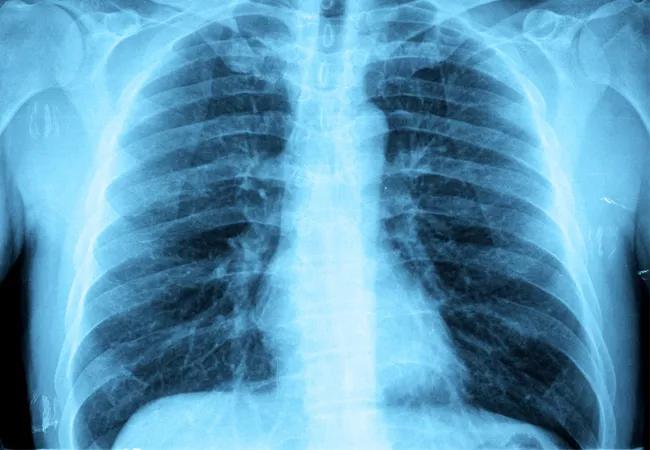
Image content: This image is available to view online.
View image online (https://assets.clevelandclinic.org/transform/fa0f9ed1-d429-4ac1-8949-d0a879f0f321/16-PUL-1263-Stoller-Hero-Image-650x450pxl_jpg)
16-pul-1263-stoller-hero-image-650x450pxl
Advertisement
Cleveland Clinic is a non-profit academic medical center. Advertising on our site helps support our mission. We do not endorse non-Cleveland Clinic products or services. Policy
Alpha-1 antitrypsin deficiency (AATD) is an autosomal co-dominant condition that predisposes patients to COPD and liver disease. Since its initial description in 1963, significant progress has been made in understanding the pathogenesis, diagnostic strategies and treatment of AATD. This progress is largely due to intensive research conducted at the mechanistic and molecular levels and to large, collaborative studies made possible by the National Heart Lung and Blood Institute’s Registry of Individuals with Alpha-1 Antitrypsin Deficiency. The Alpha-1 Foundation, a patient organization that supports research and serves as a broker between patients and the scientific, clinical and funding communities, has also worked to advance a cure for AATD. Additionally, Cleveland Clinic’s Respiratory Institute has made significant contributions to the understanding and management of individuals with AATD, culminating in participation in recently updated clinical practice guidelines for the management of affected individuals.
Major strides in understanding the pathogenesis of AATD include characterizing the SERPINA1 gene found on the long arm of chromosome 14 and the AAT protein structure, and clarifying that the most common severely deficient allele, called Z, relates to a single substitution of the amino acid lysine for glutamic acid at position 342. This substitution causes the Z-type protein to misfold, polymerize in the liver cell (hepatocyte) and bind less avidly to neutrophil elastase. As a result, the Z-type protein becomes trapped within the hepatocyte, causing serum and lung levels of AAT to drop. This allows unopposed proteolytic breakdown of elastin in the lung by neutrophil elastase, with consequent emphysema.
Advertisement
The pathogeneses of lung and liver diseases differ. Lung disease is related to a toxic loss of function characterized by inadequate amounts and impaired function of the abnormal AAT protein, which places the patient at risk for emphysema. In contrast, increased risk for liver scarring (cirrhosis) and liver cancer (hepatoma) relates to a toxic gain of function created by the polymerized AAT protein trapped in the hepatocytes (especially in ZZ homozygotes).
Enhanced understanding of the pathogenesis of AATD has increased appreciation of the prevalence of the disease and, importantly, the profound degree to which AATD is globally under-recognized. Current estimates suggest that 100,000 Americans have severe AATD deficiency, but that fewer than 10,000 have been diagnosed. Affected individuals frequently experience long delays (i.e., five to eight years) between their first symptom (commonly dyspnea) and the diagnosis of AATD. In one series, 43 percent of affected individuals reported seeing at least three physicians before the diagnosis was established.
Awareness of persistent under-recognition of AATD has prompted the development of strategies to enhance diagnosis, so as to make optimal management available sooner. At Cleveland Clinic, electronic medical record prompts have encouraged physicians to test for AATD whenever the pulmonary function test results show fixed airflow obstruction. Use of these prompts has been associated with a fourfold increase in appropriate testing frequency. Still, significant opportunities remain to ensure appropriate testing on a broader scale. Multicenter studies have shown that empowering respiratory therapists to counsel patients about testing, or to arrange testing at the point of care (i.e., during pulmonary function testing), helps detect affected individuals.
Advertisement
Finally, significant strides have been made in developing specific therapies for AATD. Augmentation therapy, which calls for the intravenous infusion of purified, pooled human plasma AAT, is recommended for individuals with AATD and emphysema in the official guidelines of most major medical societies, including the American Thoracic Society and European Respiratory Society, the Canadian Thoracic Society and the Alpha-1 Foundation. The weight of evidence, including three randomized, placebo-controlled trials, supports the efficacy of augmentation therapy in slowing the progression of emphysema.
At the same time, multiple novel therapies are being actively investigated, among them gene therapy with an adeno-associated virus vector given by whole limb perfusion or intrapleurally, administration of inhaled AAT or recombinant AAT, hyaluronic acid inhalation, RNA interference strategies to turn off production of Z protein and administration of small molecule inhibitors of mutant AAT polymerization.
Patients with AATD benefit from the substantial scientific and clinical advancements made in addressing AATD. To help direct patients toward clinicians who understand AATD, the Alpha-1 Foundation acknowledges Clinical Resource Centers (CRC), which have special expertise in managing patients with AATD. Cleveland Clinic’s Alpha-1 Antitrypsin Center, one of the founding CRCs, draws from the expertise of our colleagues in adult pulmonary medicine, dermatology and adult and pediatric liver disease to treat these patients, while contributing to ongoing progress in understanding, diagnosing and treating this difficult disease.
Advertisement
Dr. Stoller is Director of the Alpha-1 Antitrypsin Center and Chair of the Education Institute.
Advertisement
Advertisement
Volatile organic compounds have potential in heart failure diagnostics

Caregivers are provided with real-time bronchoscopy patient findings
Insights for diagnosing, assessing and treating
A Cleveland Clinic pulmonologist highlights several factors to be aware of when treating patients

New program sets out to better support underserved patient populations
Cleveland Clinic pulmonologists aim to further lower waitlist times and patient mortality
Lessons learned from cohorting patients and standardizing care
New tools and protocols to improve care
 Search