Locations:





These children may look and act normal, but they have a life-threatening metabolic disease
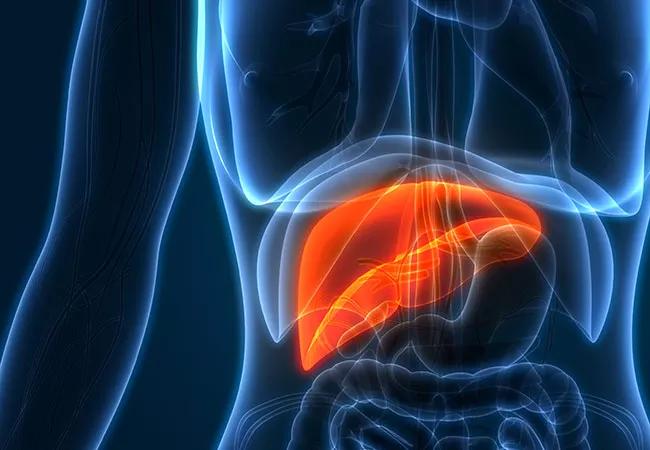
Image content: This image is available to view online.
View image online (https://assets.clevelandclinic.org/transform/3990c26d-3820-450d-a564-fad32689f7bb/650x450-Liver_jpg)
Liver
Glycogen storage diseases are genetic disorders affecting one in 100,000 births. Patients with type 1, the most severe form, lack an enzyme that converts glycogen to glucose during times of fasting and do not produce insulin in their pancreas. Children with GSD type 1 who suffer a hypoglycemic episode require treatment with a specific, unusual protocol that some emergency departments are unwilling to follow.
Advertisement
Cleveland Clinic is a non-profit academic medical center. Advertising on our site helps support our mission. We do not endorse non-Cleveland Clinic products or services. Policy
“Parents of children with GSD type 1 know the appropriate treatment and will bring a letter from their pediatrician with instructions. However, some emergency personnel who have never heard of GSD do not understand their importance and choose a different protocol, because the child may not look or act sick. When this happens, the results can be devastating,” says Elizabeth Wechter MSN, CNP, who works with GSD patients in the department of Gastroenterology, Hepatology & Nutrition at Cleveland Clinic Children’s.
Adults with low blood sugar levels can verbalize how they feel. Young children with GSD do not experience symptoms of hypoglycemia.
“They are generally unaware their blood sugar levels are dropping,” says Ms. Wechter. “They are accustomed to having low blood sugar, so they are unaware that it’s not normal.”
Their parents know, however. Parents of children with GSD monitor their child’s blood sugar several times a day—more often, if the child is not eating well.
“Steadily dropping serum glucose levels and rising ketones means trouble,” says Ms. Wechter.
Nevertheless, some patients may appear normal, or even hyperactive. Others may show early signs of hypoglycemia, such as irritability or sweating.
“Early recognition of the signs and intervention for hypoglycemia is vital and may save the child’s life,” says Ms. Wechter.
In the emergency department, patients with GSD type 1 should be given priority and treated within 30 minutes of arrival with IV fluids containing 10% dextrose — a much higher percentage than is normally used to treat hypoglycemia.
Advertisement
The use of glucagon and lactated Ringer solution should be avoided. “They lead to metabolic acidosis and are to be listed as allergens in the medical record,” Ms. Wechter explains.
Once their blood sugars have stabilized, weaning must be done over a 10- to 12-hour period.
“You cannot simply disconnect the IV, or their sugars will drop quickly, and they will experience rebound hypoglycemia,” Ms. Wechter explains. “You have to take your time. At Cleveland Clinic, our policy is to wean 25% every four hours.”
Critical information on all aspects of diagnosing and treating these patients, including the challenges of obtaining IV access, can be found in a recent article authored by Ms. Wechter and colleagues.
Although GSD is present from birth, type 1 only becomes evident when babies start sleeping through the night around the age of 6 months. Prior to that, they are eating every few hours, says Ms. Wechter.
Maintaining normal blood glucose levels becomes a lifelong challenge, and many are unable to maintain levels above 70 mg/dL with a normal diet. Navigating the toddler years can be particularly frustrating. For this reason, care in a center accustomed to treating children with GSD is advised. (The Association for Glycogen Storage Disease is in the process of establishing the criteria for GSD Centers.)
Because GSD specialists are few and far between, pediatricians generally provide day-to-day care for these complex and delicate patients. According to Ms. Wechter, pediatricians can help by:
Advertisement
“These kids tend to look normal, but they get sick very quickly,” says Ms. Wechter. “We need to treat them like the china dolls they are.”
Advertisement
Advertisement

Try these moves to relieve butt pain and numbness

Systemic change needed to improve health outcomes for parents and children, say researchers
Rare genetic variant protected siblings against seizures and severe hypoglycemia

Movie has more positive impact than expected, says Head of Adolescent Medicine
Genetic changes are similar between some vascular anomalies and cancers
Expert panel advises a two-tier structure for surgical centers
Our new head of pediatric general and thoracic surgery shares his passion and vision
Basic understanding of condition and treatment is lacking
 Search