Locations:





Cleveland Clinic recruiting for multinational trial

Image content: This image is available to view online.
View image online (https://assets.clevelandclinic.org/transform/3f57a848-764a-4faa-b9b4-fb8913ec38ee/16-PUL-084-Scleroderma-CQD-650x450_jpg)
Surfactant Replacement Therapy in ARDS
Advertisement
Cleveland Clinic is a non-profit academic medical center. Advertising on our site helps support our mission. We do not endorse non-Cleveland Clinic products or services. Policy
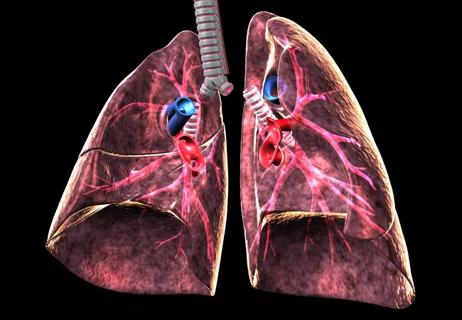
Systemic sclerosis (SSc) is a devastating disease of unknown etiology. The pathogenesis of SSc is characterized by systemic (multiorgan) immunological, vascular and fibrotic abnormalities. Interstitial lung disease (ILD) is a leading cause of morbidity and mortality in patients with SSc, with an associated median survival of five to eight years.
As no approved SSc-ILD treatment is available, and internal organ fibrosis, especially lung fibrosis, leads to severe loss of function and ultimately results in death, there is a high unmet medical need to stop the fibrotic remodeling and thus prevent loss of organ function.
Dr. Oliver Distler of the University of Zurich and I are the coordinating investigators for the SENCIS™ trial. This is a double-blind, randomized, placebo-controlled trial evaluating efficacy and safety of oral nintedanib treatment for at least 52 weeks in patients with systemic sclerosis associated interstitial lung disease (SSc-ILD) and is sponsored by Boehringer Ingelheim. This multinational, 520-person Phase III trial is the largest scleroderma trial ever undertaken.
Nintedanib is a small molecule that inhibits a distinct spectrum of receptor tyrosine kinases (RTKs) and nonreceptor tyrosine kinases (nRTKs), including vascular endothelial growth factor receptor, platelet-derived growth factor receptor, fibroblast growth factor receptor and SRC family kinases (Src, Lck and Lyn belonging to a family of proto-oncogene tyrosine-protein kinases). All of these growth factor pathways and their downstream signal cascades have been demonstrated to be involved in the pathogenesis of fibrotic tissue remodeling.
Advertisement
In experiments with dermal fibroblasts from patients with SSc, nintedanib inhibited migration and proliferation, reduced the expression of extracellular matrix markers, and attenuated transformation to myofibroblasts. In animal models of SSc, nintedanib effectively attenuated skin and lung fibrosis, reduced extracellular matrix deposition in skin and lung, attenuated myofibroblast accumulation in skin and lung, and reduced dermal thickening. Nintedanib also reduced dermal microvascular endothelial cell apoptosis and effectively attenuated pulmonary vascular remodeling by reducing the number of vascular smooth muscle cells and occluded pulmonary vessels.
Based on preclinical and clinical evidence of antifibrotic activity of nintedanib in idiopathic pulmonary fibrosis (IPF) and preclinical evidence of potential effects in SSc, along with an acceptable safety profile as demonstrated in clinical trials with nintedanib in IPF, investigation in a patient population with active SSc-ILD accompanied by varying degrees of skin and other organ fibrosis is medically rational.
Cleveland Clinic is actively enrolling patients in this trial. Main inclusion criteria include:
Dr. Highland is a member of the departments of Pulmonary Medicine and Critical Care Medicine. She can be reached at 216-445-5429 or highlak@ccf.org for more information.
Advertisement
Advertisement
Volatile organic compounds have potential in heart failure diagnostics
Caregivers are provided with real-time bronchoscopy patient findings
Insights for diagnosing, assessing and treating
A Cleveland Clinic pulmonologist highlights several factors to be aware of when treating patients

New program sets out to better support underserved patient populations
Cleveland Clinic pulmonologists aim to further lower waitlist times and patient mortality
Lessons learned from cohorting patients and standardizing care
New tools and protocols to improve care
 Search