Locations:





A study of the FSR-SARC registry finds links
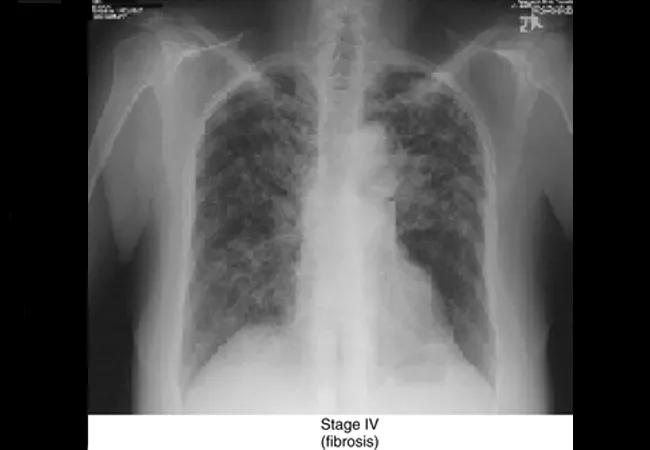
Image content: This image is available to view online.
View image online (https://assets.clevelandclinic.org/transform/e7900a99-4025-445b-80c6-85c646f45ae3/18-PUL-4601-Culver-Hero-Image-650x450pxl_jpg)
18-PUL-4601-Culver-Hero-Image-650x450pxl
A study of 2773 patients found that female gender, higher self-reported income, younger age and shorter disease duration independently predicted lower hospitalization rates in patients with sarcoidosis. This multi-institutional study, funded and administered by the Foundation for Sarcoidosis Research (FSR) and led by Daniel Culver, DO, Director of the Sarcoidosis and Interstitial Lung Disease Program in the Respiratory Institute, was presented at the 2018 American Thoracic Society International Conference. Logan Harper, MD, a fellow in the Department of Pulmonary Medicine, was first author on the study.
Advertisement
Cleveland Clinic is a non-profit academic medical center. Advertising on our site helps support our mission. We do not endorse non-Cleveland Clinic products or services. Policy
The study examined data from the FSR – Sarcoidosis Advanced Registry for Cures (FSR-SARC), a longitudinal electronic registry of patient-reported data including diagnostic information, history, treatment and outcomes. The researchers tested the association of several socioeconomic factors with hospitalization within one year by univariate analysis. Any results greater than P < 0.15 were included in a multivariate regression analysis. Survey respondents were predominantly female (72.9 percent) and relatively affluent with a median income of $50-75,000 and health insurance (92 percent).
“We found that the rate of hospitalizations increased as annual income decreased,” says Dr. Culver. “This association remained true when controlling for other factors and offers further evidence that socioeconomic status matters in disease outcomes for sarcoidosis.”
Older age, male sex and longer disease duration also correlated with increased hospitalization risk in both univariate and multivariate analysis. Future studies should include race and ethnicity as a variable.
“The next step is to identify modifiable factors for patients with lower incomes and to adjust our risk prediction algorithms for disease progression and control based on these findings,” says Dr. Culver.
Cleveland Clinic is a World Association of Sarcoidosis and Other Granulomatous Disorders (WASOG) Sarcoidosis Clinic.
Image courtesy of Cleveland Clinic Center for Continuing Education.
Advertisement
Advertisement

Volatile organic compounds have potential in heart failure diagnostics

Caregivers are provided with real-time bronchoscopy patient findings
Insights for diagnosing, assessing and treating
A Cleveland Clinic pulmonologist highlights several factors to be aware of when treating patients

New program sets out to better support underserved patient populations
Cleveland Clinic pulmonologists aim to further lower waitlist times and patient mortality
Lessons learned from cohorting patients and standardizing care
New tools and protocols to improve care
 Search