Locations:





The short answer from Rabi Hanna, MD
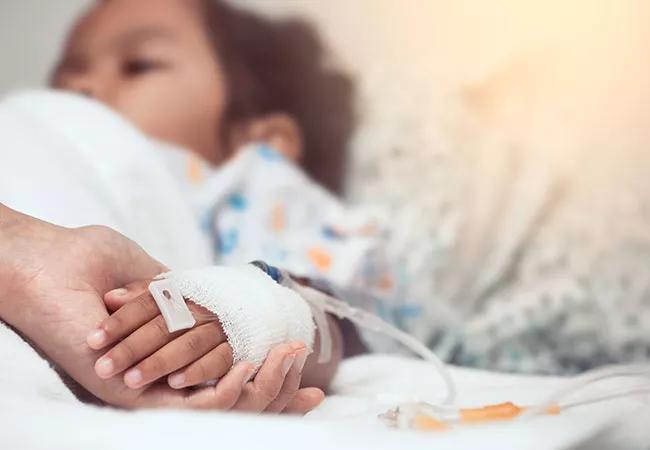
Image content: This image is available to view online.
View image online (https://assets.clevelandclinic.org/transform/21cd0733-3ba7-4373-9e29-2e8de29d1bdd/650x450-Pediatric-Chemo-Infusion_jpg)
650×450-Pediatric-Chemo-Infusion
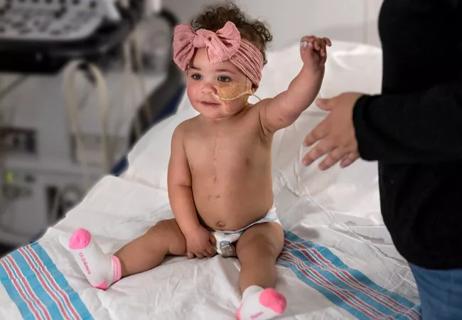
A: When our young patients come for infusion, they often bring family with them. Patients will see their physician first and then get chemotherapy. We noticed that patients and their guests were waiting too long between provider visit and infusion. The average wait time was one hour and 45 minutes.
Advertisement
Cleveland Clinic is a non-profit academic medical center. Advertising on our site helps support our mission. We do not endorse non-Cleveland Clinic products or services. Policy
Our department set a goal to decrease that time by 20 percent. But I’m excited to say that we decreased it by 69 percent — to just 33 minutes! That’s more than one hour per visit that patients can save here and spend with family and friends at home or school instead.
A couple of changes led to this time savings. First, we cleared up a lag in communication between physicians and the infusion team. We introduced a more streamlined way for physicians to release orders when a patient was ready for treatment. This alone reduced average wait time from 105 minutes to 79 minutes.
Second, we moved patients’ lab visits before rather than after seeing their physician. That enabled physicians to write an order during the office visit, clearing the patient for infusion sooner — taking another 46 minutes off wait time.
In addition to shortening time to treatment, these changes also have improved the predictability of treatment time. Our standard deviation used to be 59 minutes. Now it’s 33 minutes. We can say with more certainty when the patient will begin and finish their infusion, which not only benefits the patient but also better directs our staffing.
The best part about these solutions is that they came from our front-line caregivers.
We convened a six-member team with a physician, nurse practitioner, nurse, pharmacist, front desk caregiver and quality management caregiver. Each went through our kaizen continuous improvement process, including doing a root-cause analysis of our wait times. Some walked in the footsteps of patients going to infusion. All talked with their colleagues about what was or wasn’t working and collected recommendations for improvement.
Advertisement
Evaluating the situation and then developing and implementing changes took six weeks. Because we involved everyone in the process, the changes will be more sustainable. Now more than a month later we’re seeing the same wonderful results.
— Rabi Hanna, MD
Chairman, Pediatric Hematology-Oncology and Bone Marrow Transplant
Advertisement
Advertisement

Try these moves to relieve butt pain and numbness

Systemic change needed to improve health outcomes for parents and children, say researchers
Rare genetic variant protected siblings against seizures and severe hypoglycemia

Movie has more positive impact than expected, says Head of Adolescent Medicine

Genetic changes are similar between some vascular anomalies and cancers
Expert panel advises a two-tier structure for surgical centers
Our new head of pediatric general and thoracic surgery shares his passion and vision
Basic understanding of condition and treatment is lacking
 Search