Locations:





Intensive intervention for challenging, often misdiagnosed syndrome
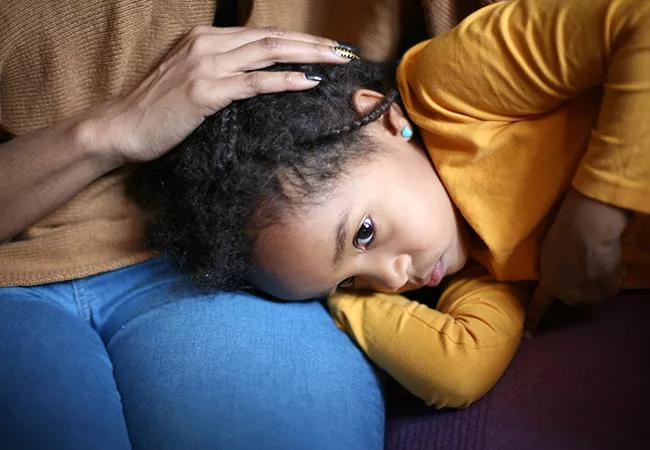
Image content: This image is available to view online.
View image online (https://assets.clevelandclinic.org/transform/ac22be3b-3dee-407e-8d46-dbaab07675b4/650x450-CRPS-Pain-Pediatric_jpg)
650×450-CRPS-Pain-Pediatric
Complex regional pain syndrome (CRPS) is a neurological disorder causing pain in combination with sensory, vasomotor, sudomotor, motor and trophic abnormalities. It can be a difficult diagnosis to make and may or may not be associated with a precipitating event or cause, such as a twisted ankle, broken arm or traumatized nerve. Many doctors are unfamiliar with the condition and it is often misdiagnosed.
Advertisement
Cleveland Clinic is a non-profit academic medical center. Advertising on our site helps support our mission. We do not endorse non-Cleveland Clinic products or services. Policy
“CRPS affects approximately 7 percent of children,” reports Ellen Rosenquist, MD, Assistant Professor of Anesthesiology at The Cleveland Clinic Lerner College of Medicine, which is comparable to the number of adults diagnosed (8 to 10 percent). “Many people with CRPS are initially misdiagnosed, so it is sometimes perceived as being more common in adults than children, but working in the pediatric anesthesia department, I see many kids with CRPS.”
A recent systematic review of 10 studies found that the mean age of onset for pediatric CRPS is 12.5 years, and most children (71 percent) had a history of trauma. In three-quarters of cases, the lower limbs were affected. The syndrome is more common in females (85 percent) than males, and 30 percent of children also have movement disorders and dystonia.
CRPS is primarily a clinical diagnosis, says Dr. Rosenquist, although bone scintigraphy and MRI may be employed to assist in the evaluation. Since 2007, the International Association for the Study of Pain’s Budapest criteria have been utilized to make the diagnosis. These guidelines state that the following criteria be met:
Advertisement
Hallmarks of the syndrome are varying degrees of pain, and autonomic disturbances that are reflected in changes in skin temperature and color as well as edema. Nail or hair growth differences may also be observed, and the pain typically worsens over time if it is not treated and movement becomes more difficult.
Interventions include physical therapy (PT), mindfulness meditation, biofeedback and other pain psychological therapies, and lumbar sympathetic nerve blocks or spinal cord stimulators that modulate pain for severe cases. “Children tend to respond well to physical modalities alone, such as aggressive PT and desensitization techniques to raise the pain threshold,” she notes, “in contrast to adults who often require a combination of approaches.”
Dr. Rosenquist collaborates with the Pediatric Pain Rehabilitation Program at Cleveland Clinic Children’s Hospital for Rehabilitation, which provides an intensive intervention for children and adolescents with CRPS. The program is comprised of a three-week intervention where children stay in the hospital for two weeks and then continue as outpatients, living at a Ronald McDonald House or other facility, for a third week. “This program is for kids who have exhausted other modalities and can’t function,” Dr. Rosenquist notes. The interdisciplinary assessment team meets weekly and she participates one Friday a month to evaluate potential candidates for the program.
Upwards of 85 percent of children and adolescents who complete the intensive program improve almost entirely, says Dr. Rosenquist, and are able to lead active, normal lives. (In contrast, adults have a lower rate of recovery.)
Advertisement
“We typically don’t use the word ‘cure’ in relation to CRPS, however,” she reports, “because the pain can return. Hence, we focus on remission.”
Advertisement
Advertisement

Try these moves to relieve butt pain and numbness
Systemic change needed to improve health outcomes for parents and children, say researchers
Rare genetic variant protected siblings against seizures and severe hypoglycemia

Movie has more positive impact than expected, says Head of Adolescent Medicine
Genetic changes are similar between some vascular anomalies and cancers
Expert panel advises a two-tier structure for surgical centers
Our new head of pediatric general and thoracic surgery shares his passion and vision
Basic understanding of condition and treatment is lacking
 Search