Locations:





From house calls to inpatient consults to hospice
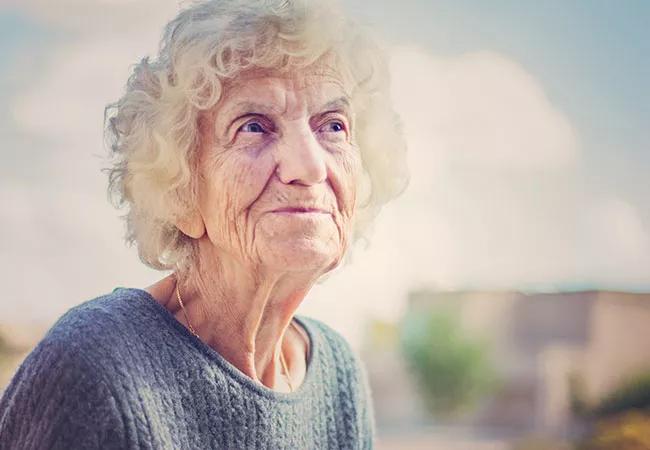
Image content: This image is available to view online.
View image online (https://assets.clevelandclinic.org/transform/2f1fb0e5-00c8-4b42-a94e-4252f0828289/16-GER-2318-continuum-650x450_jpg)
16-ger-2318-continuum-650×450
Geriatricians see patients through many transitions. These transitions are also where patients can fall through the cracks of care. From house calls to inpatient consults to post-acute care (PAC), the Center for Geriatric Medicine at Cleveland Clinic is focused on providing seamless patient care through and between these settings.
Advertisement
Cleveland Clinic is a non-profit academic medical center. Advertising on our site helps support our mission. We do not endorse non-Cleveland Clinic products or services. Policy
“Our geriatricians and other caregivers provide care in many settings, trying to reduce the healthcare burden on family caregivers and the patient by helping ensure interconnectedness and continuity of care between settings,” says Ronan Factora, MD, Interim Director of the Center for Geriatric Medicine.
Because the PAC continuum has been traditionally structured in silos, with little communication between hospitals and skilled nursing facilities (SNFs), hospice, home healthcare and others, it is prone to handoff-related errors. With healthcare changing focus from volume to value, the PAC needs to change, says Eiran Z. Gorodeski, MD, MPH, Director of the Center for Connected Care at Cleveland Clinic.
Traditionally, when older persons leave the hospital, they “enter a complex and potentially dangerous maze,” Dr. Gorodeski says. For example, a hospitalized patient may be discharged to a SNF for short-term care, then to home with home healthcare, only to be readmitted to the hospital and discharged again — this time to long-term acute care (LTAC) — and ultimately into hospice.
“There’s too much potential variability for our geriatric patients,” says Dr. Factora. “This is often due to poor communication between health care providers between health care locations leading to omissions of medications, absent communication about active medical problems, and missing information about follow-up visits.”
The program’s goal is to reduce variability through an integrated, standardized approach — and to carefully guide the patient through the PAC maze. “We’re striving to coordinate care in a seamless manner, to achieve better outcomes, increase patient satisfaction and reduce costs,” Dr. Gorodeski says.
Advertisement
While many programs are focused on improving continuity of PAC, the Center for Geriatric Medicine wants patients to experience seamless care from their first outpatient appointment with a geriatrician to hospice services. “We can trade in-office outpatient visits for home care; we follow our patients when they’re hospitalized with our inpatient consults; and we provide post-acute care in whatever setting the patient then calls home, whether it’s a skilled facility, a specialized rehab hospital or their private home,” says Dr. Factora.
Better care continuity means lower hospital readmissions and adverse events – outcomes that benefit patients as well as healthcare systems.
“This is an area where there’s much room for improvement in medical care in general, but where I think we’ll see significant benefits for our patients from an investment of time and resources,” says Dr. Factora.
Advertisement
Advertisement
Pilot study confirms feasibility of conducting additional research on the novel treatment
Longer hospitalization does not mean a safer, faster recovery for patients age 70+
Structured data helps identify older adults at risk for poor outcomes, defines patients who require more comprehensive assessments

Self-administered tool can be completed in 10 minutes in waiting room
Social prescribing turns leisure activities into good “medicine”
A large geriatric study aims to find the answers

Analysis underscores how telehealth can help pinpoint elder abuse
 Search