Locations:





Understanding risk, stigma and how to utilize non-SRD organs
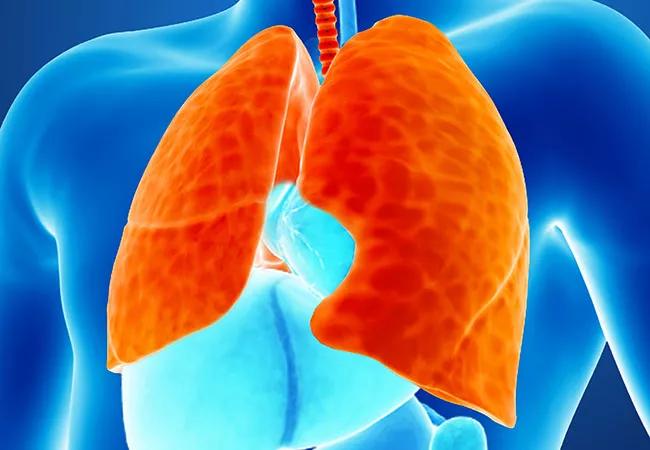
Image content: This image is available to view online.
View image online (https://assets.clevelandclinic.org/transform/b0b78793-0752-4892-bd44-ea1cbc606f84/650x450-Lung-Transplant_jpg)
650×450-Lung-Transplant
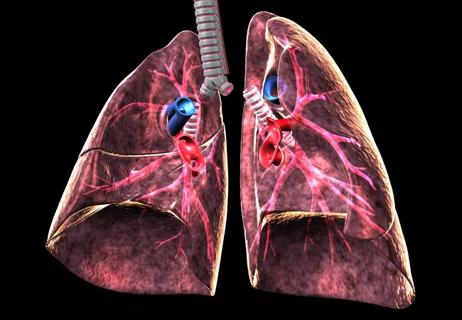
Approximately 10% of lung transplant candidates in the U.S. die each year waiting for transplant. To address the national shortage of available organs for transplantation, non-standard donor organs are included in the candidate pool, however, organ refusal is a common occurrence – with 78.4% of waitlist candidates turning down an organ from an increased-risk donor (IRD).
Advertisement
Cleveland Clinic is a non-profit academic medical center. Advertising on our site helps support our mission. We do not endorse non-Cleveland Clinic products or services. Policy
The IRD classification reflects updated guidelines developed by the U.S. Public Health Services (PHS), a division of the Centers for Disease Control (CDC), in 2013. PHS initially implemented these guidelines in 1994, using specific criteria to define a high-risk donor (HRD).
Cleveland Clinic researchers examined the implications of the definition change from HRD to IRD on survival outcomes in patients who received a lung transplant. They published their findings in the Journal of Thoracic and Cardiovascular Surgery.
The backdrop of the PHS decision to create the classification was during peak HIV-mortality in the U.S. An investigation had revealed cases of HIV infections in transplant recipients who received an organ from an HIV seronegative donor.
Nearly a decade later in 2013, the PHS broadened the definition of non-standard donor organs from HRD to IRD to reflect an increased risk for hepatitis B virus (HBV) and hepatitis C virus (HCV). The 2013 guidelines also place a greater focus on the risk of incident (new cases of disease), as opposed to only prevalent disease. The former poses a greater risk of transmission in the “window period,” a time prior to death when a potential donor may be infected but not show up on a serologic test.
Carli Lehr, MD, MS, a pulmonologist in Cleveland Clinic’s Respiratory Institute and the study’s first author, notes that stigma associated with HRD/IRD classifications commonly leads to organ refusal. Her goal was to develop new understandings about risk to share with patients who are considering an organ offer. “Understandably, patients want to know what it means to accept an organ classified as increased risk and how it will affect them after transplant,” says Dr. Lehr. “We want to be well-positioned to advise them during the consent process.”
Advertisement
The team utilized data from the Scientific Registry of Transplant Recipients (SRTR) to identify recipients undergoing transplant between January 1, 2006 and May 31, 2017. After exclusion criteria were applied, the team developed two risk cohorts based on HRD and IRD definitions to compare with standard risk donors (SRD). Investigators used a logistic regression model to estimate propensity score, a methodology that created consistency among cases and controls that might influence organ acceptance behavior. For example, sicker patients and/or those who have been on the waitlist longer may be more likely to accept a non-standard organ.
Overall, 18,490 patients were analyzed with 64% transplanted during the HRD period and 36% transplanted during the IRD period. As researchers predicted, the proportion of donors who met IRD criteria was comparatively higher than the HRD cohort (22% vs. 8%, p < 0.001). In both cohorts, males with a lower forced expiratory volume in 1 second (FEV1) and higher creatinine were more likely to receive an organ from a donor with increased risk. Notably, researchers found no difference in patient survival or graft survival in either cohort.
“Often patients are reluctant to consider transplant from an increased risk donor,” says Dr. Lehr. “While our findings show the change in definition includes a greater proportion of at-risk donors, this does not adversely impact post-transplant survival.” This is an important discussion point with patients, she stresses, because there is a big difference between rejecting 8% of the available donor pool versus 22% with the new definition.
Advertisement
This study coincides with discourse within the transplant community to address the potential removal of the risk designation altogether. Christine Koval, MD, an infectious disease physician at Cleveland Clinic and one of the study’s co-authors, notes that there is a growing consensus that the over-identification of donors with potential risk for HIV, HBV or HCV may not be the best approach.
“Good organs are likely being wasted in an attempt to reduce risk in the relatively rare event of transmission and in particular the almost negligible risk of transmission of HIV at this point in time,” notes Dr. Koval.
But the bias toward IRD organs leads to higher rates of refusal and, as a result, lower rates of transplant and longer time on a waiting list. Adding to this, in one recent kidney transplant study, researchers found that most patients who turned down an IRD organ experienced worse alternatives. Twenty percent died after five years on the waiting list, and of the 31% who did go on to receive an SRD organ, many received a poorer quality kidney overall.
For this reason, the Department of Health and Human Services (HHS) released a call for proposed revisions to the 2013 guideline, specifically calling attention to the underutilization of IRD versus SRD organs. Dr. Koval cautions, “We need to weigh out the calculated risk of patients not getting organs and dying on the waiting list against that small risk that there’s going to be some transmission of HIV in somebody who’s just over that window period of detection from the nucleic acid testing.”
Advertisement
Dr. Lehr remarks that future studies may depend on how the transplant and infectious disease communities proceed with the next phase of risk classification. She says, “I think the question is how can non-SRD organs be better utilized, and how can clinicians use evidence-based research to help patients gain a better understanding of the low magnitude of risk involved with acceptance of increased risk donors.”
Advertisement
Advertisement
Volatile organic compounds have potential in heart failure diagnostics

Caregivers are provided with real-time bronchoscopy patient findings
Insights for diagnosing, assessing and treating
A Cleveland Clinic pulmonologist highlights several factors to be aware of when treating patients

New program sets out to better support underserved patient populations
Cleveland Clinic pulmonologists aim to further lower waitlist times and patient mortality
Lessons learned from cohorting patients and standardizing care
New tools and protocols to improve care
 Search