Locations:





Cleveland Clinic physical therapists address commonly asked questions
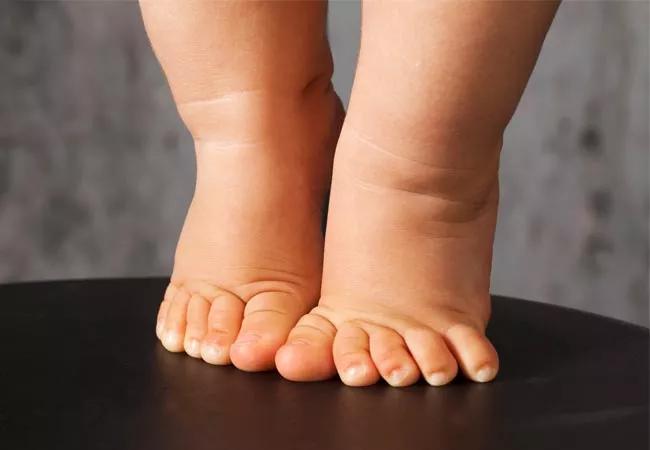
Image content: This image is available to view online.
View image online (https://assets.clevelandclinic.org/transform/82d47578-3462-477f-82f9-c9f54cd14ded/22-CHP-2895924-CQD-Finnan-Esposito-Thompson_jpg)
22-CHP-2895924 CQD- Finnan & Esposito & Thompson
By Kathleen Finnan, Sarah Esposito and Regina Thompson
Advertisement
Cleveland Clinic is a non-profit academic medical center. Advertising on our site helps support our mission. We do not endorse non-Cleveland Clinic products or services. Policy
Conservative, effective treatment strategies are available for children with idiopathic toe walking (ITW). Even though many children toe walk for various reasons, it is not a typical gait pattern after the child has been walking for two months. ITW is the result of many different influencing factors and is commonly seen in children with neurodevelopmental disorders such as autism, ADHD and sensory integration problems. Frequently, there is a family history of toe walking. Below we address questions we commonly receive about how these patients can be supported.
The physical therapists at Cleveland Clinic Children’s Hospital for Rehabilitation (CCCHR) treat patients with idiopathic toe walking of all ages; however, the best outcomes are seen with early referrals. When intervention begins early (by the child’s 2nd birthday) physical therapists can help avoid some of the consequences of longstanding toe walking, such as pain, heel cord lengthening, need for orthotics and social stress. Careful screening at the time of evaluation identifies patients needing a referral to a developmental pediatrician, neurologist, orthopaedic or primary care physician.
Physical therapists use standardized assessments and measurements to develop a customized care plan. Using evidence-based practice, treatment strategies for ITW include strengthening, stretching, serial casting, night splinting, daily orthotic use, sensory integration strategies (vestibular and proprioceptive input, balance training) and home programming. Most of the time, aggressive interventions such as Botox® and surgical intervention are not required.
Advertisement
The frequency of therapy will depend on the child and severity of toe walking. Typically, the child will be seen at least weekly for 45 to 60 minute sessions for approximately three months to work on a range of motion, strength, gait pattern and coordination. Each patient will receive PT interventions that are indicated for them specifically; not every patient will need orthotics or serial casting.
Often, a child with ITW may be seen more than once throughout their growing years due to tightness in muscles, changes in gait pattern, increase in toe walking frequency, or concerns for gross motor skills. Therapy goals for children who toe walk include full range of motion and strength in the lower extremities, and a heel-toe gait pattern at least 75% of the time. Once goals are achieved, the child is discharged with a home program to maintain the gains made during therapy. Parents are also informed of indications that their child may need to return to therapy for reassessment and an updated home program.
Physical therapists are trained in the management of ITW at all of our locations: Beachwood, Cleveland, Westlake, Stow, Middleburg Heights and Medina. For more information or to refer a patient, call (216) 636-KIDS.
The authors of this article are physical therapists at Cleveland Clinic Children’s Hospital for Rehabilitation and outpatient locations.
Advertisement
Advertisement

Try these moves to relieve butt pain and numbness

Systemic change needed to improve health outcomes for parents and children, say researchers
Rare genetic variant protected siblings against seizures and severe hypoglycemia

Movie has more positive impact than expected, says Head of Adolescent Medicine
Genetic changes are similar between some vascular anomalies and cancers
Expert panel advises a two-tier structure for surgical centers
Our new head of pediatric general and thoracic surgery shares his passion and vision
Basic understanding of condition and treatment is lacking
 Search