Locations:





Evidence-based interventions to support infant health
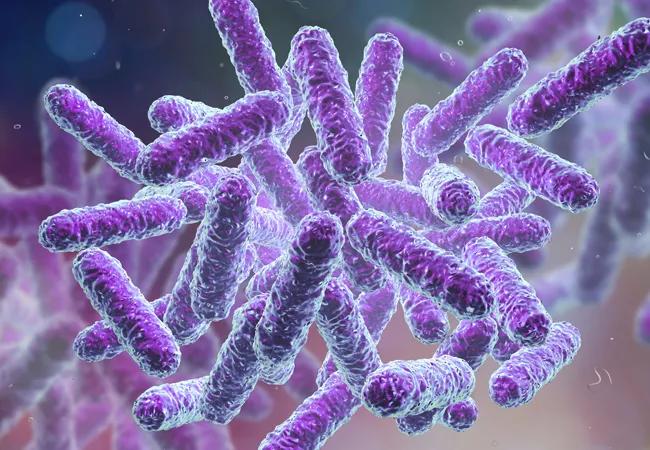
Image content: This image is available to view online.
View image online (https://assets.clevelandclinic.org/transform/097e0460-a06b-49e9-9917-b9c5066df8ce/18-DDI-4994-Microbiome-Hero-Image-650x450pxl_jpg)
Microbiome
Evidence is growing about the influence of the early-life microbiome on human development and long-term health. Initial colonization in the fetus and development of the gut microbiome in neonates are influenced by multiple factors. A Cleveland Clinic researcher was invited by Nutrition in Clinical Practice to review the literature on how altering the microbiome prenatally and in the critical first years of life can impact risk of obesity, asthma and neurodevelopmental disorders, and what clinicians can do to support mothers and their offspring and protect or restore an infant’s gut microbiome.
Advertisement
Cleveland Clinic is a non-profit academic medical center. Advertising on our site helps support our mission. We do not endorse non-Cleveland Clinic products or services. Policy
“The gut microbiome is what we call a ‘super organ,’” says lead author Gail A.M. Cresci, PhD, RD, of Cleveland Clinic Children’s Department of Pediatric Gastroenterology, Hepatology & Nutrition and the Lerner Research Institute. “Having an optimal blend of bacteria in the gut is key to health, and in the years up to age 3, the microbiome that we’ll have in adulthood is established.”
Small-scale colonization of the gut is known to begin in utero. As noted by Dr. Cresci and her co-author, Fatemeh Ramezani Kapourchali, PhD, studies are beginning to link prenatal maternal diet and exposures to drugs, ethanol, artificial sweeteners and environmental smoke with bacteria in the infant gut.
A population-based human longitudinal cohort showed that a maternal high-fat diet altered early bacterial colonization of infants independent of maternal obesity. Offspring of mothers who eat too much fat during pregnancy and lactation also may be more susceptible to immune-mediated diseases and some metabolic consequences.
“As physicians well know, maternal intake of folic acid during pregnancy prevents neural tube defects in offspring. It shouldn’t come as a surprise that folic acid and several other B vitamins are synthesized by the gut microbiome,” says Dr. Cresci. “I think physicians also appreciate the negative effects of antibiotics on the gut microbiome, but they may not realize that there is research showing that what a mom eats not only influences her microbiome composition, but also how her infant is colonized.”
Advertisement
In a healthy pregnancy, the intrauterine bacteria appear to be similar to that in the mother’s oral cavity. Non-pathogenic bacteria can be detected in the placenta, umbilical cord and newborn meconium. Lactobacillus and Bifodobacterium DNA have been found in placentas from both vaginal and cesarean deliveries. But in the infant, the gut microbiome is distinctly different, depending on the mode of delivery.
Infants born vaginally are colonized with bacteria from the maternal vagina, whereas bacteria similar to the maternal skin and oral cavity predominate in infants born by cesarean section. Cesarean section deliveries reportedly are associated with less alpha diversity in offspring, and delayed and reduced colonization of Bacteroides that persists over time. Clostridiodes difficile, Bacilli and Enterobacteria, which are pathogenic, reportedly are more abundant with cesarean delivery.
While some delivery method-based differences in gut microbiota disappear over time, their effects may linger. Studies show that alterations in immune system development and function associated with gut colonization at birth may partially explain the increased incidence, later in life, of some non-communicable diseases that is associated with cesarean delivery.
What happens when an infant’s gut microbiome isn’t optimal and the crosstalk between it and the intestinal tract, which is integral to good health, goes awry? “Infants with dysbiosis may be more likely to get infections and to experience gas, bloating and colic,” says Dr. Cresci. In severe cases, the result may be necrotizing enterocolitis, which is commonly associated with prematurity. “A preterm infant is not fully developed and neither is its intestinal immune system,” she says, “and the microbiome is also less developed resulting in decreased microbial diversity.”
Advertisement
The next most impactful influence on the microbiome in early life is what the infant is fed. The nutrient composition of breastmilk is ideal for a human baby and it changes over time, providing specific requirements for an infant based on gestational age, lactation stage, environmental exposures, geographical location and daily breastfeeding practice.
“Breastmilk contains bacteria, such as Bifidobacterium and Lactobacillus, so it has some probiotic properties,” says Dr. Cresci. “It also contains prebiotics, human milk oligosaccharides [HMOs], which comprise one of the largest components of carbohydrates in breastmilk.The probiotics help establish the infant gut microbiome, whereas the HMOs support the Bifidobacterium and Lactobacillus that predominate in it. Although infant formula is manufactured to model breastmilk, it’s not a perfect substitute. “Some infant formulas now contain prebiotics and probiotics, and HMOs isolated from breastmilk, but they don’t have the immunoglobulins, enzymes or other bioactives from the mother or necessarily the same prebiotics and probiotics that she would produce,” says Dr. Cresci.
The key clinical message for clinicians, according to Dr. Cresci, is to appreciate the link between the maternal and infant microbiome. She encourages them to support good prenatal and postnatal nutrition and breastfeeding, and to consider appropriate pre/probiotic supplements, those with HMOs and/or Bifidobacterium or Lactobacillus, if formula is necessary. “The best way to help moms is to encourage them to eat lots of fruits and vegetables and fermentable fibers, and to avoid high-fat, high-sugar and processed foods.” she says. “Studies of probiotics for infants are ongoing to see whether they are safe and effective for maintaining growth.”
Advertisement
At Cleveland Clinic, Dr. Cresci is collaborating with neonatologists to look at potential associations between the gut microbiome and fetal and infant growth and cognitive/neurodevelopment. The researchers also want to follow infants longitudinally through young adulthood to see whether supplements can help replace metabolites that would normally come from a healthy microbiome.
Advertisement
Advertisement

Try these moves to relieve butt pain and numbness

Systemic change needed to improve health outcomes for parents and children, say researchers
Rare genetic variant protected siblings against seizures and severe hypoglycemia

Movie has more positive impact than expected, says Head of Adolescent Medicine
Genetic changes are similar between some vascular anomalies and cancers
Expert panel advises a two-tier structure for surgical centers
Our new head of pediatric general and thoracic surgery shares his passion and vision
Basic understanding of condition and treatment is lacking
 Search