Locations:





Why you need both strong clinical skills and superior bedside manners
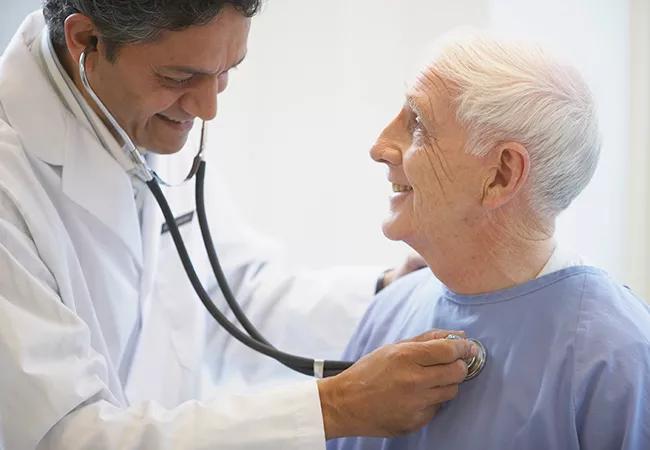
Image content: This image is available to view online.
View image online (https://assets.clevelandclinic.org/transform/484e913c-bbcf-4079-9880-e8e195510e0f/650x450-Patient-Empathy_jpg)
650×450-Patient-Empathy
Advertisement
Cleveland Clinic is a non-profit academic medical center. Advertising on our site helps support our mission. We do not endorse non-Cleveland Clinic products or services. Policy
In my clinical training years when mastering clinical skills was my primary pursuit, I was once counseled by a mentor on the need to also be skillful and attentive to communication and presence with patients. He would often cite studies that showed warmth, empathy and positive working alliance as indicators of treatment success.
Recent studies support a similar notion that patients form their first impression of caregivers not only based on competence, but also by provider’s warmth. Patients are not only worried whether the caregiver is good at what he/she does, but also whether the provider cares enough to treat them professionally and with respect. Being treated warmly can communicate to the patient, “I care enough to apply my best talent when treating you.”
While the provider’s competence soothes the patients’ fears about their symptoms, the providers’ warm and empathic attitude reassures patients that they will be treated with dignity, a core need of all human beings. By being warm and professional, the provider communicates to patients that they are worthy human beings who deserve respect. In taking such approach, the provider can earn the patient’s trust quickly that can strengthen their working alliance.
Being warm and empathic with patients can be difficult at times when the provider experiences emotional exhaustion and burnout. In fact, one of the worrisome aspect of job burnout is “depersonalization” which refers to emotional withdrawal from people being served. That is why when care givers realize their capacity for warmth and empathy has lessened, need to engage in self-care practices to address the potential burnout and restore the sense of caring connection with patients.
Advertisement
Our dedication to patients is not only to treat symptoms with our talent but to care for the whole person with dignity and professionalism. Developing a strong working alliance with patients based on genuine care is equally important with treating the illness. In fact, studies show patients perceive physicians who show empathy and warmth as more competent. If warmth and competence are not separate factors to patients, they should not be to caregivers.
An effective caregiver has both attributes, strong clinical skills and superior “bedside manners.”
Advertisement
Advertisement
Pulmonologist-scientist is awarded a $2 million grant from the NIH
Cardiologists offer professionals guidance for better sleep
Reduce stress by adopting mindfulness as a way of life
Our Chief Experience Officer explains
A Q&A with sports medicine physician Dominic King, DO
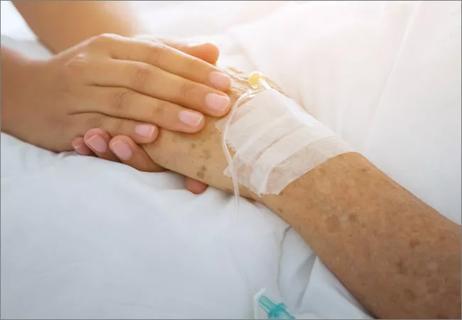
Reflections on providing all patient care with the same respect

It doesn't have to be the "new normal"
3 Women's Professional Staff Association members field this question
 Search