Locations:





Reflections on providing all patient care with the same respect
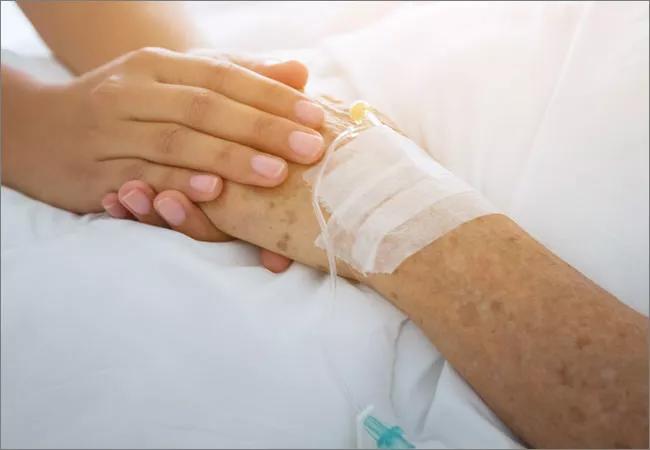
Image content: This image is available to view online.
View image online (https://assets.clevelandclinic.org/transform/651234eb-07ac-4315-8657-df4f3208f144/end-of-life_650x450_jpg)
end-of-life_650x450
General surgeon Sofya Asfaw, MD, was drawn to trauma surgery and critical care for the variety it offered.“I liked the complexity and the type of surgeon it takes to do this,” she says. “If you have a planned surgery, you have more time to study scans, plan the operation. With trauma and emergency surgery, you never know what a patient will present with and I like that.”
Advertisement
Cleveland Clinic is a non-profit academic medical center. Advertising on our site helps support our mission. We do not endorse non-Cleveland Clinic products or services. Policy
And not every day does Dr. Asfaw don the surgeon role, some days it is serving more as an intensivist. “No matter the day, it requires thinking quickly on my feet and working with the most critical patients,” she says, noting that she’s so excited to do that work at Cleveland Clinic. “We are a world-class institution.”
Consult QD sat down with Dr. Asfaw to discuss the physician’s role in end-of-life care, how to find joy in the difficult and more:
A: We are taught as physicians that our ultimate goal is to save and preserve life. And sometimes when you’ve invested so much in a patient and their family, you wish for the best outcome for them. But the best outcome may be the most dignified outcome. We look at a patient’s quality of life and ultimately honor their wishes.
These are hard discussions to have, but patients and families want them. It is important to treat end-of-life care with the same respect we give to other types of care. It is part of medicine; it is part of life. And it is our job to be good stewards of end-of-life care.
A: When you have these conversations, it is never easy. Even if the patient has terminal cancer and the family knows their loved one is dying, it’s not easy. But this one patient had been in and out of the ICU for some time and when we discussed end-of-life care it was as if she was almost waiting for me to tell her it was OK to die. The thing that struck me was how happy she was; there was such relief on her face. And the entire care team felt that we were honoring this patient’s wishes.
Advertisement
We were able to help her die with dignity and peace on her own terms and it was as if we had given her permission to do so.
A: Take your time, it’s not going anywhere. There’s no reason to rush through everything. I took time off between college and med school and it made me stronger and more mature.
Remember to enjoy your life when you do this work. When you see death at all ages, it gives you a reality check on what’s important.
A: I have a two-year-old daughter. We love to read and play outside. When it’s just me, I’m a bit of a Bravo and HGTV junkie — Real Housewives and home renovation shows.
A: Either a barista — it’s high energy, quick thinking, fast-paced remembering all the orders — or a cartographer. I have been obsessed with maps and globes as long as I can remember.
Advertisement
Advertisement

Pulmonologist-scientist is awarded a $2 million grant from the NIH

Cardiologists offer professionals guidance for better sleep

Reduce stress by adopting mindfulness as a way of life
Our Chief Experience Officer explains

A Q&A with sports medicine physician Dominic King, DO

It doesn't have to be the "new normal"
3 Women's Professional Staff Association members field this question

Benevolence and nonmaleficence in self-disclosure
 Search