Locations:





Study takes a closer look at transmission from mom
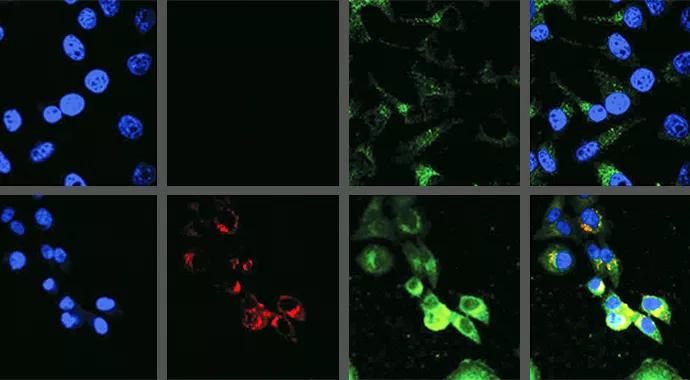
Image content: This image is available to view online.
View image online (https://assets.clevelandclinic.org/transform/83e534f7-8354-4efb-9b36-b902aa62895e/690x380-RSV_jpg)
690×380-RSV
Advertisement
Cleveland Clinic is a non-profit academic medical center. Advertising on our site helps support our mission. We do not endorse non-Cleveland Clinic products or services. Policy
Respiratory syncytial virus (RSV) is the most common cause of lower respiratory tract infections in infants and young children. Strong epidemiologic evidence suggests that when infants are infected, they are predisposed to chronic respiratory dysfunction and asthma, possibly due to persistence of the virus or its effects on lung development.
For many years, it has been generally accepted that the pathophysiology of RSV bronchiolitis is driven by the inflammatory response mounted by horizontal (i.e., interpersonal) transmission of the virus in the first few months after birth.
However, my colleagues and I recently published an animal study in PLOS ONE1 that has brought to the forefront a striking new idea: RSV may be transmitted vertically from the respiratory tract of the mother to the lungs of the fetus. Until now, we believed that when a pregnant woman got a cold, the developing fetus was protected by the placenta from RSV and other respiratory viruses.
In our study, pregnant rats were inoculated with recombinantRSV. The RSV genome was subsequently found in 30 percentof fetuses (Figure 1) and in the lungs of 40 percent of newbornrats and 25 percent of rats born to inoculated mothers whentested in adulthood (10 weeks after birth). These data supporttransplacental transmission of RSV from mother to offspring and the persistence of vertically transmitted virus in lungs after birth.
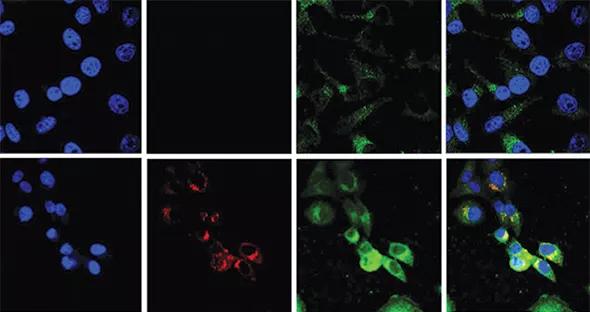
Image content: This image is available to view online.
View image online (https://assets.clevelandclinic.org/transform/cb098cf7-864b-4a40-a6e2-e5e74727a931/590x-Inset-RSV_jpg)
Figure 1. Propagation of vertically transmitted RSV in the rat. Magnified at 60×, extracts of whole fetuses are shown that were delivered from dams inoculated with recombinant RSV (rrRSV; bottom row) or from pathogenfree controls (top row) and co-cultured with human airway epithelial cells. The micrographs show red fluorescence in the cytoplasm of cells exposed to fetal extracts from rrRSV-infected dams, confirming the presence of actively replicating infectious virus associated with markedly increased green nerve growth factor (NGF) immunoreactivity. Reprinted from Piedimonte et al, PLOS ONE.1
Advertisement
Notably, we also found that exposure to RSV in utero changes the way that lungs function through dysregulation of neurotrophic pathways, thereby predisposing the subject to the postnatal airway hyper reactivity that is the hallmark of asthma.
While this is the first time to our knowledge that vertical transmission of RSV — or any common respiratory virus —has been reported, a number of infectious agents, including herpes viruses and retroviruses, have been shown to cross the placenta and establish persistent infection in offspring.
Our research was driven by two key factors:
If our recent findings1 can be confirmed in human studies, we may have to rewrite the books on RSV transmission. The general idea we have been working under for decades in pulmonology is that nothing bad happens in the lungs until the baby is born — even with serious conditions such as cystic fibrosis. This study suggests that a certain percentage of patients who develop asthma may do so because of viral exposure in utero.
Advertisement
The next step in our research will be to see if these observations are replicated in ex vivo studies of human cells. Eventually, research will focus on in vivo human studies in mothers naturally infected with RSV. Cleveland Clinic Children’s plans to work closely with our colleagues in Cleveland Clinic’s Ob/Gyn & Women’s Health Institute to carefully administer these studies.
If human studies replicate our findings from animal models, our understanding of the pathogenesis of RSV infections would be completely changed. It would turn back the clock of respiratory developmental diseases by months and mean that we would need to start thinking about lung development and pathology during pregnancy rather than at birth. This could create a paradigm shift by extending our focus on prevention from the first few years after birth to also include the last few months before birth.
Dr. Piedimonte, a pediatric pulmonologist, is Chairman and Physician-in-Chief of Cleveland Clinic Children’s. He can be reached at 216.444.2344 or piedimg@ccf.org.
1. Piedimonte G, Walton C, Samsell L. Vertical transmission of respiratory syncytial virus modulates pre- and postnatal innervation and reactivity of rat airways. PLOS ONE. 2013;8(4):e61309.
2. Rezaee F, Gibson LF, Piketel D, Othumpangat S, Piedimonte G. Respiratory syncytial virus infection in human bone marrow stromal cells. Am J Respir Cell Mol Biol. 2011;45(2):277-286.
Advertisement
Advertisement

Try these moves to relieve butt pain and numbness

Systemic change needed to improve health outcomes for parents and children, say researchers
Rare genetic variant protected siblings against seizures and severe hypoglycemia

Movie has more positive impact than expected, says Head of Adolescent Medicine
Genetic changes are similar between some vascular anomalies and cancers
Expert panel advises a two-tier structure for surgical centers
Our new head of pediatric general and thoracic surgery shares his passion and vision
Basic understanding of condition and treatment is lacking
 Search