Locations:





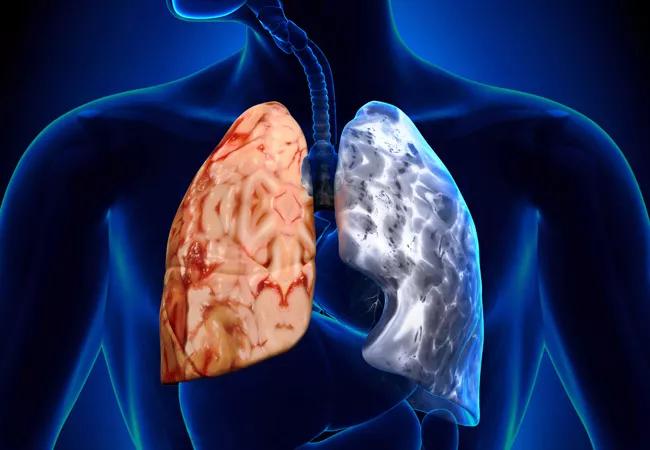
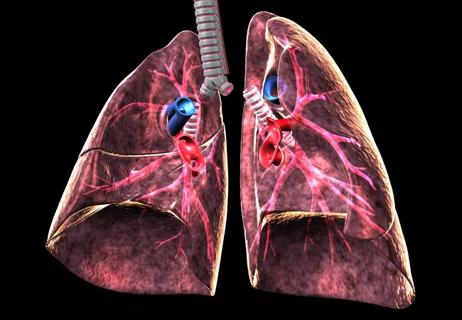
Image content: This image is available to view online.
View image online (https://assets.clevelandclinic.org/transform/71d14da1-32b5-453c-8356-8249600eefe7/15-PUL-2462-COPD-650x450-CQD-2_jpg)
COPD
Advertisement
Cleveland Clinic is a non-profit academic medical center. Advertising on our site helps support our mission. We do not endorse non-Cleveland Clinic products or services. Policy
Clinical characterization of COPD is emerging rapidly as concepts evolve from a disease characterized by fixed airflow obstruction with differentiation between “pink puffers” and “blue bloaters” to the current paradigm of COPD as a broad spectrum of clinical phenotypes.
Clinical COPD phenotypes have been defined as “a single or combination of disease attributes that describe differences between individuals with COPD as they relate to clinical meaningful outcomes (symptoms, exacerbations, response to therapy, rate of disease progression, or death).” In a more general context, Feinstein characterized the two purposes of defining a clinical phenotype, i.e., giving a specific name to a disease or condition – to identify a specific natural history or prognosis and to define a specific therapy.
While a myriad of accompanying features can differentiate among patients with COPD, clinicians will especially value differentiating between COPD phenotypes to the extent that the patient’s management is affected by identifying their phenotype.
On what parameters have the current spectrum of COPD phenotypes been described? The list is long and includes:
Advertisement
Table 1 lists some of the currently described COPD phenotypes.
| COPD Phenotype |
|---|
| Alpha-1 antitrypsin deficiency |
| Frequent exacerbator |
| Chronic bronchitis |
| Combined asthma-COPD |
| Combined pulmonary fibrosis-emphysema |
| Bronchiectasis |
| COPD Phenotype |
| Alpha-1 antitrypsin deficiency |
| Frequent exacerbator |
| Chronic bronchitis |
| Combined asthma-COPD |
| Combined pulmonary fibrosis-emphysema |
| Bronchiectasis |
A recent study by Lange and colleagues in the New England Journal of Medicine also highlights the utility of phenotyping in identifying populations at risk for developing COPD. These investigators utilized three large longitudinal cohort studies in which participants underwent serial spirometry over greater than 20 years, beginning before age 40. The serial measurements permitted both the calculation of rate of decline in lung function and a determination of whether COPD ultimately developed based on GOLD diagnostic criteria.
Confirming observations derived from previous studies, individuals with a normal FEV1 before the age of 40, who subsequently experienced accelerated decline in lung function, defined one phenotype at increased risk of developing COPD. A second phenotype, not previously identified, was characterized by individuals with a low FEV1 in early adulthood and a relatively normal rate of decline in lung function.
Beyond characterizing trajectories to developing COPD, the most immediate and present impact of characterizing different COPD phenotypes—and that which is of special interest to clinicians—is identifying specific therapy that is linked to the phenotype.
Consider the example of alpha-1 antitrypsin deficiency (AATD). Identifying individuals with this specific genetic condition that predisposes to COPD has three potential managerial impacts:
Advertisement
As another example, consider the value of identifying the “frequent exacerbator” phenotype. Because a history of frequent exacerbations has been identified as a strong predictor of future exacerbations, identifying the “frequent exacerbator” should prompt special consideration of therapies that can help avert exacerbations, e.g., inhaled corticosteroids, long-acting antimuscarinics, roflumilast or azithromycin.
Finally, consider the value of identifying those with chronic bronchitis and moderately severe airflow obstruction. The efficacy of the phosphodiesterase-4 inhibitor, roflumilast, to avert exacerbations has been studied and demonstrated in this specific subset of COPD patients.
Overall, the current thrust to identify specific and distinctive clinical phenotypes in COPD will surely continue. Beyond the value of this line of inquiry in helping to identify specific pathogenetic mechanisms and prognosis in COPD, clinicians will especially value identifying phenotypes that link to specific therapies.
Dr. Stoller is Chair of the Education Institute and holds the Jean Wall Bennett Professorship in Emphysema Research at Cleveland Clinic Lerner College of Medicine and the Samson Global Leaderhsip Academy Chair. For more information contact Dr. Stoller at 216.444.1960 or stollej@ccf.org.
Advertisement
Advertisement
Volatile organic compounds have potential in heart failure diagnostics

Caregivers are provided with real-time bronchoscopy patient findings
Insights for diagnosing, assessing and treating
A Cleveland Clinic pulmonologist highlights several factors to be aware of when treating patients

New program sets out to better support underserved patient populations
Cleveland Clinic pulmonologists aim to further lower waitlist times and patient mortality

Lessons learned from cohorting patients and standardizing care
New tools and protocols to improve care
 Search