Locations:





 Search
A highly innovative treatment process for young people
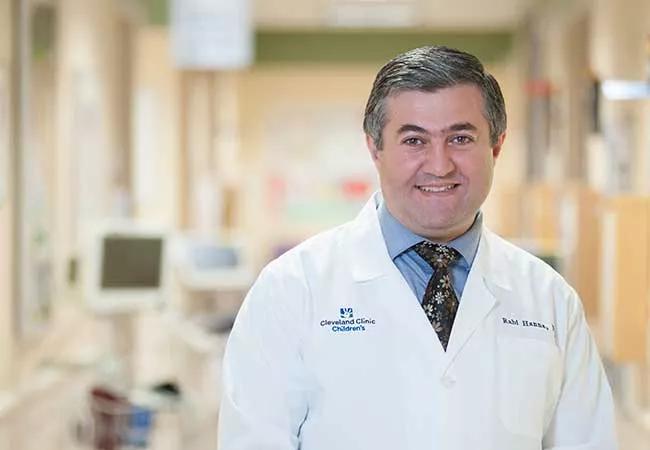
Image content: This image is available to view online.
View image online (https://assets.clevelandclinic.org/transform/d75f7f88-f14d-4636-9c65-3032acbbc81b/650x450-Hanna-004-For-CART-certification-article_jpg)
650×450-Hanna (004) For CART certification article
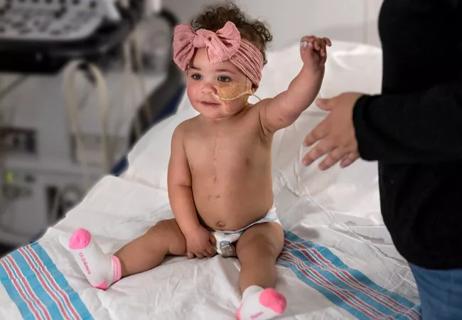
In October, Cleveland Clinic Children’s received certification as a center to provide the first FDA-approved Car T cell therapy for pediatric and young adult patients with relapsed or refractory B cell acute lymphoblastic leukemia. CQD talked to Rabi Hanna, MD, Chairman of Pediatric Hematology/Oncology, to learn more about this life-saving cancer treatment.
Advertisement
Cleveland Clinic is a non-profit academic medical center. Advertising on our site helps support our mission. We do not endorse non-Cleveland Clinic products or services. Policy
CAR T cell therapy is an innovative cancer treatment for pre-B Acute Lymphoblastic Leukemia (ALL). With this therapy, immune cells are removed from a patient’s blood and re-engineered ex vivo to include a gene for CAR. They are then reintroduced into the bloodstream to attack leukemia cells with the CD19 antigen. The treatment, named Kymriah® and known as CTL019 (tisagenlecleucel), is the first therapy of its kind available in the United States.
In November 2017, the FDA unanimously recommended for approval and then approved the immunocellular therapy for use in children and young adults with relapsed/refractory B-cell precursor ALL. It has been approved to treat patients up to age 25.
Cleveland Clinic was involved in clinical trials of CAR T cell therapy, and we saw great success in patients who had refractory lymphoma; we are so excited to offer this approved therapy for ALL. The key thing is that this treatment is personalized to the patient. We are able to obtain the T cell — the immune cell – the “soldiers” of the body.
Patients can experience a life-threatening experience of cytokine release syndrome (CRS) as a result of this therapy. Caregivers need to be trained appropriately to take care of this major side effect. The FDA wants to ensure that patients and physicians are educated on this for the long-term.
We had to meet rigorous Quality metrics and have the competence and infrastructure necessary to manage this highly innovative treatment process from stem cell collection to infusion. We have contracted with Novartis, which takes the blood we have collected and enters a specific gene marker within the cells so they can attack the CD19, the hallmark of this type of leukemia.
Advertisement
This has been a team effort to become certified. Many have gone through the training to prepare for this, including our Hematology/Oncology team, the Intensive Care Unit and the Neurology team, so that we are all ready to take care of these patients.
Yes, because the treatment is attacking and targeting CD19, patients can lose their ability to produce immunoglobulin, which puts them at high risk for infection, and some patients will need monthly infusions of intravenous immunoglobulin (IVIG) to counter this. (For full details of side effects, review the FDA drug insert.)
It will save lives. Up until now, we have had no other treatment to offer these patients who had grim prognoses. This therapy is a combination of personal gene therapy and cellular therapy that lasts inside the body so you do not have to give it again. This is the first FDA-approved gene therapy for this type of leukemia. It is very exciting, and we see this as the first of many cellular therapies to come for specific types of leukemia. Leukemia affects many organs and involves many specialists, and we believe this is going to be important to providing the very best care to our pediatric patients moving forward.
In 2018, Cleveland Clinic Children’s was ranked 10 out of 10 in all subspecialties ranked by U.S. News & World Report.
Advertisement
Advertisement

Try these moves to relieve butt pain and numbness

Systemic change needed to improve health outcomes for parents and children, say researchers
Rare genetic variant protected siblings against seizures and severe hypoglycemia

Movie has more positive impact than expected, says Head of Adolescent Medicine

Genetic changes are similar between some vascular anomalies and cancers
Expert panel advises a two-tier structure for surgical centers
Our new head of pediatric general and thoracic surgery shares his passion and vision
Basic understanding of condition and treatment is lacking