Locations:





Multidisciplinary care for pediatric metabolic liver disease
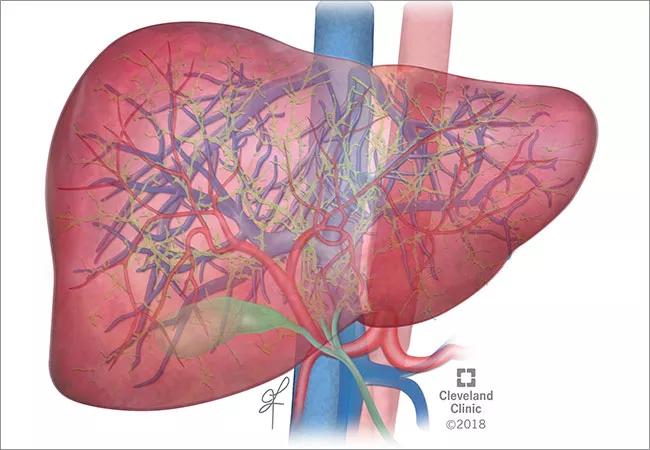
Image content: This image is available to view online.
View image online (https://assets.clevelandclinic.org/transform/aec4f7ba-2819-4434-8914-3731971512d6/650x450-Liver-Structures_jpg)
650×450-Liver-Structures
By Mike Leonis, MD, PhD, and Kadakkal Radakrishnan, MD
Advertisement
Cleveland Clinic is a non-profit academic medical center. Advertising on our site helps support our mission. We do not endorse non-Cleveland Clinic products or services. Policy
Patient A is a 16-year-old female who was diagnosed with citrullinemia type 1 shortly after birth. She has a strong family history of this disorder. Citrullinemia type 1 is a urea cycle disorder that is associated with very high ammonia levels, especially when patients are in crisis. The patient was on a special formula-based diet that gave her essential amino acid to meet her basic protein requirements via a gastrostomy tube. She was also on medicines to scavenge ammonia and these medications were not palatable.
The patient was listed for liver transplant at age 9 for her poor quality of life with repeated admissions for elevated ammonia, which put her at risk for seizures and/or neurologic injury. She underwent a cadaveric whole liver transplant in late 2015. Since transplant, she has been eating a normal diet and was able to stop the ammonia scavenging medications. Her citrulline level improved considerably following transplant and she had normal ammonia levels on repeated testing. Importantly, the patient reported a much-improved quality of life after her transplant and has resumed all age-appropriate normal physical activities. She maintains good liver function on her immunosuppressive regimen.
Metabolic liver disease refers to defects that involve the metabolism of nutrients or other molecules in the body, such as amino acid or protein metabolic disorders, lipid metabolic disorders, carbohydrate metabolic disorders or copper storage disorders. They are rare; however, individuals living in areas with higher rates of consanguineous cases are at increased risk for these rare disorders. Generally, liver transplant corrects the patient’s metabolic disease, although there are some disorders in which patients may experience untoward kidney, cardiac or neurologic dysfunction due to lingering metabolic disease in those organs not corrected by the liver transplant.
Advertisement
Citrullinemia type 1 affects about 1 in 57,000 individuals worldwide. The sometimes life-threatening condition usually becomes evident in the first few days of life, as ammonia builds up and infants display lethargy, poor feeding, vomiting, seizures and loss of consciousness. Occasionally, citrulllinemia type 1 can have a later onset in childhood or adulthood. A rare autosomal recessive genetic disorder, the condition is caused by a deficiency or absence of argininosuccinate synthase, which disrupts the urea cycle, a biochemical process that the body uses to clear harmful ammonia, a byproduct of protein metabolism.
As with many other metabolic liver diseases, citrullinemia type 1 is associated with neurological abnormalities, including developmental delays, intellectual disability and cerebral palsy, and if left untreated may result in life-threatening complications.
Consideration of liver transplant is patient-specific and varies depending on their diagnosis and overall health of a patient’s liver. In citrullinemia type 1, patients may develop very high ammonia levels, which is associated with seizure disorders and neurologic catastrophes. As a result, we might be inclined to address metabolic liver disease in these patients with a liver transplant to obviate the chances of further episodes of neurologic compromise.
In patients with citrullinemia type 1, especially the ones for whom diet and scavenge ammonia medications are not working, the citrulline level usually comes down significantly following a liver transplant, but does not usually completely normalize, as enzyme metabolizing citrulline is still deficient in the lining of the bowel and kidneys. However, even for these patients, the quality of life is vastly improved and the risk of complications from ammonia is reduced dramatically.
Advertisement
The Cleveland Clinic Children’s Pediatric Liver Transplant Program provides specialty care for children who suffer from various types of liver disease that require liver transplantation. Diagnosing and treating those with metabolic liver diseases requires a team approach, which includes metabolic geneticists and specialized nutrition support, to manage metabolic problems and complications prior to proceeding to liver transplantation. The multidisciplinary team from Cleveland Clinic Children’s manages patients from the time of referral to transplant, and provides long-term care following transplant as required. The program consists of five board-certified pediatric transplant hepatologists, transplant surgeons with years of experience caring for infants and children, pediatric anesthesiologists, pediatric liver transplant certified nurse practitioners and liver transplant coordinators, transplant-dedicated psychologists and social workers, pediatric transplant pharmacists, registered dieticians and financial counselors.
Advertisement
Advertisement

Try these moves to relieve butt pain and numbness

Systemic change needed to improve health outcomes for parents and children, say researchers
Rare genetic variant protected siblings against seizures and severe hypoglycemia

Movie has more positive impact than expected, says Head of Adolescent Medicine

Genetic changes are similar between some vascular anomalies and cancers
Expert panel advises a two-tier structure for surgical centers
Our new head of pediatric general and thoracic surgery shares his passion and vision
Basic understanding of condition and treatment is lacking
 Search