Locations:





Dramatic drop in exacerbations promising
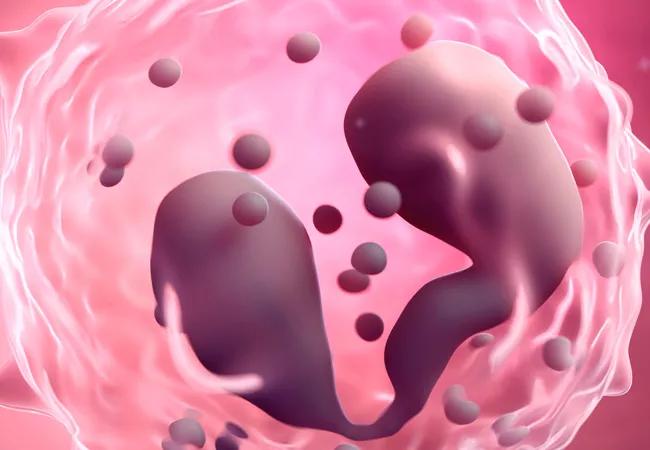
Image content: This image is available to view online.
View image online (https://assets.clevelandclinic.org/transform/bcf0f3b3-8ecb-42c3-ba5e-62f059ebbd67/16-PUL-2063-Khatri-Eosinophil-Hero-Image-650x450pxl_jpg)
16-pul-2063-khatri-eosinophil-hero-image-650x450pxl
By Sumita Khatri, MD, Serpil Erzurum, MD, and David Lang, MD
Advertisement
Cleveland Clinic is a non-profit academic medical center. Advertising on our site helps support our mission. We do not endorse non-Cleveland Clinic products or services. Policy
Many patients with severe, persistent asthma remain symptomatic or refractory to treatment despite optimal therapy. These patients experience frequent, severe exacerbations, hospitalizations and/or poor lung function, and our care for their severe asthma requires significant healthcare utilization and expenditure.
The 2016 Global Initiative for Asthma guidelines include the use of biologics in Step 5 of therapy, when asthma control is difficult despite optimal management with high-dose inhaled corticosteroid/long-acting beta agonist and additional controller therapy. As with any difficult-to-control asthma, it is important to first confirm the severity, control exacerbating conditions and ensure proper medication use.
Many patients referred to our Asthma Center qualify for administration of a biologic agent. Currently three biologic agents are available for use: omalizumab (XolairÒ), mepolizumab (NucalaÒ) and Reslizumab (CinqairÒ).
Omalizumab is a recombinant antibody that binds to the high affinity IgE receptor (FCeRI) on mast cells and basophils. It is indicated in adults, adolescents and children with severe allergic asthma, IgE levels of 30-700 IU/mL and allergy to least one perennial allergen supporting a Th-2-driven allergic asthma profile. Studies have demonstrated that omalizumab reduced exacerbations, asthma symptoms, inhaled corticosteroid and rescue medication use, and improved quality of life relative to placebo or best standard of care.
Omalizumab is dosed according to body weight and serum-IgE level. Because of the risk of anaphylaxis, patients must receive the medication where personnel and equipment/supplies to treat anaphylaxis are present. Clinical trials showed a numerical but not statistically significant increase in the rate of malignancy in subjects randomized to omalizumab compared with placebo; this risk was not seen in a recently published longitudinal study. The study noted elevated risk for cardiovascular and cerebrovascular events that may relate to baseline differences and the study’s observational nature. Efforts to further understand possible risks for malignancy and for cardiovascular disease are continuing during postmarketing surveillance.
Advertisement
Mepolizumab and reslizumab are monoclonal antibodies that bind to and neutralize interleukin 5 (IL-5) by attaching to the IL-5 receptor on the surface of eosinophils and thereby inhibiting eosinophil function. IL-5 stimulates mediator release from eosinophils, and results in further production, activation and migration of eosinophils to peripheral tissues.
Monthly, subcutaneous (SQ) injections of mepolizumab in patients with peripheral eosinophilia (at or exceeding 300 cells/uL) have been shown to reduce the rate of asthma exacerbation by approximately 50 percent, reduce the risk of healthcare utilization by around 60 percent and improve asthma control. A follow-up study demonstrated that mepolizumab had an oral glucocorticoid-sparing effect in the treatment of severe asthma. Patients in the treatment group demonstrated reduction from baseline in the glucocorticoid dose by 50 percent, as compared with no reduction in the placebo group.
Additionally, a relative reduction in number of annual exacerbations and improvement in symptoms was demonstrated. Mepolizumab treatment is comprised of monthly injections of a fixed dose of 100 mg SQ delivered in a medical office or infusion center.
Reslizumab has a similar effectiveness profile as mepolizumab but differs in its route of administration (monthly intravenous infusions) and weight-based dosing. Initial studies demonstrated effectiveness in patients with least 3 percent eosinophils in induced sputum. At a dose of 3.0 mg/kg IV every four weeks for 12 weeks, there was a marked reduction in sputum eosinophils with trend towards better control among the entire group, but better control in the cohort with highest levels of blood and sputum eosinophils and nasal polyposis. Lung function improved with a mean increase in forced expiratory volume (FEV1) of 180 mL.
Advertisement
A more recent study evaluated the cohort in which reslizumab is useful. Patients with one or more exacerbations in the prior year with blood eosinophilia ≥ 400 cells/uL had 50 percent fewer exacerbations, increased time to exacerbation and increased FEV1.
The majority of patients who fulfill criteria for a therapeutic trial of mepolizumab and/or reslizumab also fulfill criteria for omalizumab, as they are all indicated in patients with severe asthma and those with allergies often have high peripheral blood eosinophil counts. No studies have formally compared the relative efficacy of anti-IL5 therapy with anti-IgE therapy. However, a retrospective review of the initial mepolizumab trials reported that individuals previously on omalizumab who were treated with mepolizumab experienced similar clinical efficacy as those without prior omalizumab treatment. Further studies will be required to enhance our understanding of which patients may be more appropriately targeted for anti-IgE versus anti-IL5 treatment.
The development and availability of biologic agents to specifically target pathophysiological elements of severe asthma has altered the landscape of care for these patients. In addition to the specific biologics that bind to and neutralize IL-5, other agents that are currently being investigated have targets with more broad anti-inflammatory effects. For instance, benralizumab targets and blocks IL-5Rα directly, and dupilumab binds IL-4Ra receptor component, a subunit in the receptors for IL4 and IL13.
Advertisement
The future is also encouraging for nonbiologic therapies that address various parts of the inflammatory pathway such as cell surface receptors, transcription factors, and enzymatic targets. In order to ensure the judicious use of these therapies, treatment should be tailored to the specific asthma endotype, and patients monitored closely.
Dr. Khatri is staff in Pulmonary Medicine and Pathobiology and is Co-Director of the Asthma Center. Dr. Erzurum is Alfred Lerner Chair of the Lerner Research Institute and staff in Pulmonary Medicine. Dr. Lang is Chair of the Department of Allergy and Clinical Immunology and Co-Director of the Asthma Center.
Advertisement
Advertisement
Volatile organic compounds have potential in heart failure diagnostics

Caregivers are provided with real-time bronchoscopy patient findings
Insights for diagnosing, assessing and treating
A Cleveland Clinic pulmonologist highlights several factors to be aware of when treating patients

New program sets out to better support underserved patient populations
Cleveland Clinic pulmonologists aim to further lower waitlist times and patient mortality

Lessons learned from cohorting patients and standardizing care
New tools and protocols to improve care
 Search