Locations:





From transformational leadership to empirical quality results
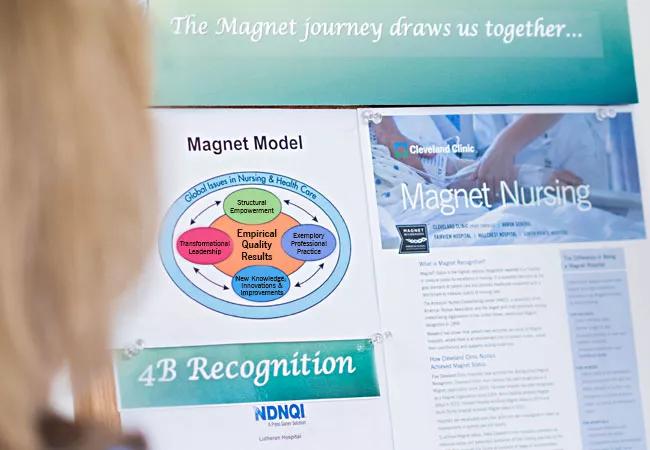
Image content: This image is available to view online.
View image online (https://assets.clevelandclinic.org/transform/be4c0c0b-c6c4-461e-b0fc-927f94f2603b/19-NUR-4199-magnetJourney-650x450-003_jpg)
19-NUR-4199-magnetJourney-650×450 (003)
Every hospital working toward achieving Magnet® designation becomes very familiar with the five model components. These broad and comprehensive components speak to the overall nursing culture within a hospital or healthcare system. Here we take a closer look at some recent and past articles that illustrate how the Cleveland Clinic health system has embraced and operationalized these five Magnet Model components at its hospitals.
Advertisement
Cleveland Clinic is a non-profit academic medical center. Advertising on our site helps support our mission. We do not endorse non-Cleveland Clinic products or services. Policy
Cleveland Clinic Executive Chief Nursing Officer K. Kelly Hancock, DNP, RN, NE-BC, FAAN, believes empowerment and delegation are vital to successful nurse leadership. She says these skills help leaders enhance efficiency, further develop teams, improve patient outcomes, and so much more. A couple years ago she and her team created a class focused on building an empowered team so that nurse leaders could learn more about these vital skills.
Empowerment and Delegation: Two Vital Skills Every Nurse Leader Needs
From a strong shared governance model to daily interdisciplinary huddles, Cleveland Clinic’s Nursing Institute has many mechanisms in place to ensure that nurses are an integral part of all health system operations. By being at the table where decisions are made, they are empowered to work with staff at all levels and to be decision makers at the highest levels.
Shared Governance 2.0: Today’s Model More Strongly Integrates All Frontline Nurses
Tiered Huddles Bring Interdisciplinary Teams Together
Exemplary professional practice focuses on excellence, collaboration, quality, safety and best practices to realize extraordinary patient care results. Nowhere is this more apparent than in the effort to achieve excellence in nursing quality and patient safety.
Achieving Excellence in Nursing Quality and Patient Safety
At Cleveland Clinic, innovation is an important part of a nurse’s professional responsibility. We are joining nurses across the globe in continually devising innovations that are changing professional nursing practice – from how patients are managed and cared for to how compliance regulations are met and new technologies are utilized. All nurses are encouraged to explore best practices.
Advertisement
One recent nursing study looked at patients in an acute care setting to find out how well they would do self-managing their type 1 diabetes. This type of study has become a common occurrence at hospitals throughout the Nursing Institute as the Office for Nursing Research and Innovation runs programs and provides a high level of support for nursing research at all levels.
Keeping an Eye on Nursing Innovations
Research Often Starts on the Front Lines of Patient Care
This Magnet component focuses on the outcomes of structures and processes and how they compare to benchmarks. Clinical outcomes refer to workforce outcomes, patient outcomes and organizational outcomes.
To achieve a high level of care, nurses must be enabled to access information and make continual improvements. Over the last several years, Nursing has been using a new nursing quality application and unit review dashboard to streamline data entry and review. The system allows nurses to easily measure quality indicators. The Nursing Institute also encourages all of its nurses to investigate best practices, because research often starts on the frontlines of patient care where ideas for innovation are formed.
Advertisement
Advertisement
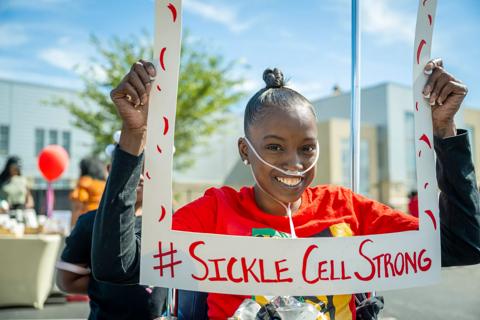
Nurses play key role in comprehensive lifetime treatment program
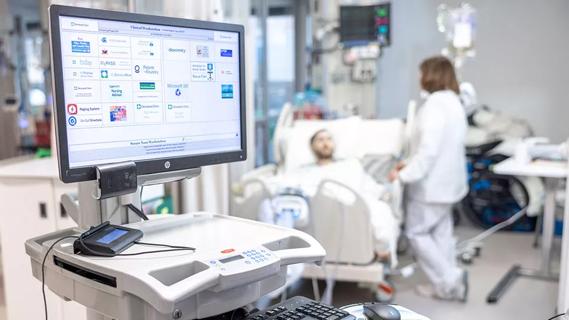
Customized bots improve speed, efficiency by streamlining daily clinical, clerical tasks
Nurses play pivotal role in patients’ ability to recover in the comfort of their own homes
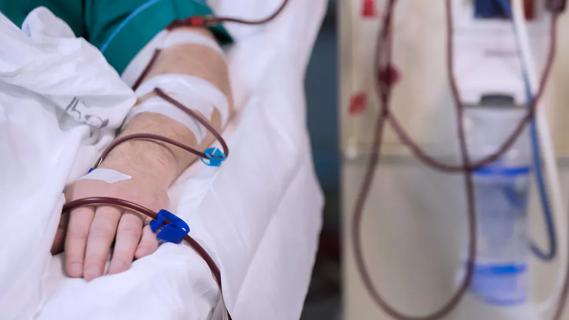
New protocol reduces costs, increases patient and caregiver satisfaction
Advocating for patient safety is imperative in fast-paced surgical settings
M-Power program improves the perinatal experience for people who have survived abuse

Advice for those pursuing a WOC nursing career

Veteran nurse shares his experience as a caregiver and community volunteer
 Search