Locations:





The short answer from ACG president Carol Burke, MD

Image content: This image is available to view online.
View image online (https://assets.clevelandclinic.org/transform/695a0a6d-7b2e-4293-abe1-37e122438f13/Carol-Burke-650p_jpg)
Carol-Burke-650p
Q: What is the significance of currently having women presidents of all four U.S. gastroenterology and hepatology societies?
Advertisement
Cleveland Clinic is a non-profit academic medical center. Advertising on our site helps support our mission. We do not endorse non-Cleveland Clinic products or services. Policy
A: While it is an undeniably proud moment to have four accomplished women as concurrent leaders of the national GI societies — including the American Association for the Study of Liver Diseases (AASLD), American College of Gastroenterology (ACG), American Gastroenterological Association (AGA) and American Society for Gastrointestinal Endoscopy (ASGE) — this historic event is serendipitous and not a choreographed occurrence.
The specialty of gastroenterology continues to be dominated by men. Women comprise only 16 percent of the more than 14,000 practicing gastroenterologists.
However, having four female presidents lead their respective GI societies this year is important. It’s a beacon alerting all women to the possibility that they can attain the pinnacle of their professional career, whatever that may be.
The ACG is committed to gender equality. For decades the College has had a vibrant Women in GI Committee and provided leadership opportunities to women in the field. It continues to offer gender-specific educational programs, research awards and mentoring to female medical students, residents, GI fellows and junior faculty to support their career in gastroenterology.
— Carol Burke, MD
Vice Chair, Department of Gastroenterology and Hepatology
Cleveland Clinic
Advertisement
Advertisement

Strong patient communication can help clinicians choose the best treatment option
ctDNA should be incorporated into care to help stratify risk pre-operatively and for post-operative surveillance

The importance of raising awareness and taking steps to mitigate these occurrences
New research indicates feasibility and helps identify which patients could benefit

Treating a patient after a complicated hernia repair led to surgical complications and chronic pain
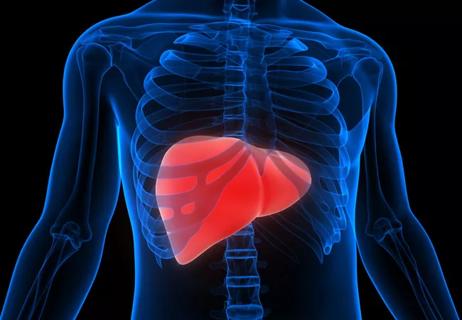
Standardized and collaborative care improves liver transplantations
Fewer incisions and more control for surgeons

Caregiver collaboration and patient education remain critical
 Search