Locations:





Viewpoints from Steven Wexner, MD, PhD (Hon)
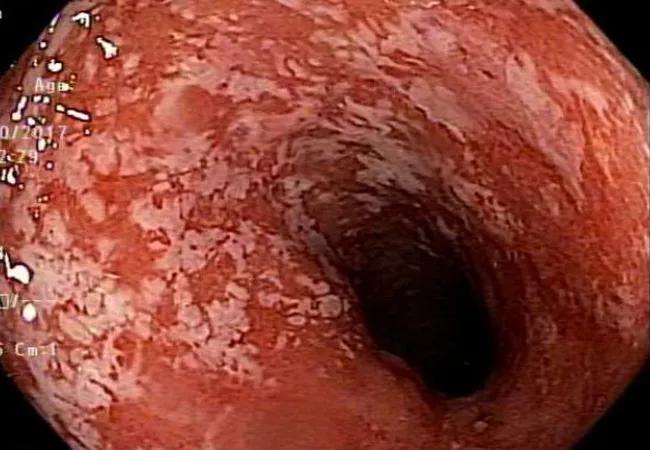
Image content: This image is available to view online.
View image online (https://assets.clevelandclinic.org/transform/ee2a3fd8-be56-4ec8-ac2a-d78e4594bb79/18-DDI-386-Wexner-CQD_jpg)
18-DDI-386-Wexner-CQD
Numerous studies have focused on the outcomes of ileoanal pouch anastomosis (IPAA). It has been clearly established that while the overwhelming majority of patients with an ultimate diagnosis of mucosal ulcerative colitis fare well, a small minority of patients with a final diagnosis of Crohn’s disease also have good long-term outcomes. The vexing question has been the fate of the pouch in patients diagnosed with indeterminate colitis (IC). Numerous authors, including surgeons at Cleveland Clinic Florida, have suggested that the outcomes are better with IC than are the outcomes in patients with Crohn’s disease but not as good as the outcomes in patients with mucosal ulcerative colitis.
Advertisement
Cleveland Clinic is a non-profit academic medical center. Advertising on our site helps support our mission. We do not endorse non-Cleveland Clinic products or services. Policy
To further illuminate an answer to this question, the members of the departments of colorectal surgery and of pathology at Cleveland Clinic’s main campus in Ohio performed a case-matched analysis between patients with indeterminate colitis or ulcerative colitis who underwent pouch surgery between 1985 and 2014.
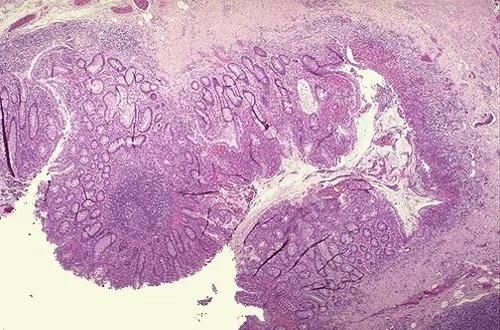
Image content: This image is available to view online.
View image online (https://assets.clevelandclinic.org/transform/8f9b9930-293f-4c22-b95c-b0b163bda980/indeterminate-colitis-2_jpg)
The 448 case-matched patients included 224 patients with indeterminate colitis and 224 patients with ulcerative colitis. The groups were well matched for gender, age, stapled versus hand-sewn anastomosis, use of a diverting stoma, and length of follow-up. 15.6% of patients in the indeterminate colitis group sustained fistulas during follow-up as compared with only 8 percent of patients with ulcerative colitis. Similarly, 6.7 percent of patients with indeterminate colitis were ultimately diagnosed as having Crohn’s disease of the pouch as compared with only 2.7 percent of patients in the ulcerative colitis group.
Interestingly, there were no significant differences in the incidence of pouch failure (5.8% vs. 4.9%, respectively) or willingness to undergo the procedure again (94.8% vs. 94.5%, respectively). There were also no significant differences in function, quality of life, quality of health, level of energy or social, work or sexual restrictions.
This study confirms that outcomes following pouch surgery in patients with indeterminate colitis are not substantially worse than when performed in patients with mucosal ulcerative colitis. Given this knowledge, patients should be counselled, and as has been previously noted, patients with a history of perianal septic disease should be especially aware of the increased incidence of Crohn’s disease and ultimate pouch failure. The authors are to be congratulated upon their highly clinically relevant study.
Advertisement
Advertisement

Strong patient communication can help clinicians choose the best treatment option
ctDNA should be incorporated into care to help stratify risk pre-operatively and for post-operative surveillance

The importance of raising awareness and taking steps to mitigate these occurrences
New research indicates feasibility and helps identify which patients could benefit

Treating a patient after a complicated hernia repair led to surgical complications and chronic pain
Standardized and collaborative care improves liver transplantations

Fewer incisions and more control for surgeons

Caregiver collaboration and patient education remain critical
 Search