Locations:





The short answer from Scott Steele, MD

Image content: This image is available to view online.
View image online (https://assets.clevelandclinic.org/transform/f12f8cd6-d22e-4ec8-96a7-2827af4fa04c/16-DDI-2190-Steele-CQD_jpg)
16-ddi-2190-steele-cqd
Q: What do the new joint guidelines from ASCRS and SAGES on advanced recovery after colon and rectal surgery mean for both patients and surgeons?
Advertisement
Cleveland Clinic is a non-profit academic medical center. Advertising on our site helps support our mission. We do not endorse non-Cleveland Clinic products or services. Policy
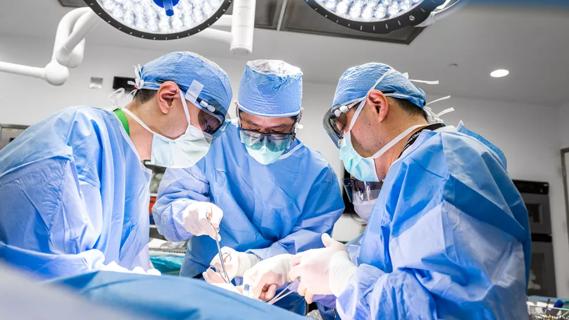
A: The ultimate goal is to have patient-improved outcomes. With that in mind, two of the major societies that deal with colorectal surgery patients came together and developed a best practices, evidence-based guideline to help practitioners and patients understand the multimodality and multidisciplinary component of improving their care.
The American Society of Colon and Rectal Surgeons and the Society of American Gastrointestinal and Endoscopic Surgeons examined all aspects of preoperative, intraoperative and postoperative care to improve patient outcomes. As a part of that, what we’re really looking at is having patients buy into their own care — to understand the reason why we want them to get up and walk so soon after surgery, why we want to limit narcotics and use a multimodality therapy to give them the best pain control possible. We want patients to understand how they can participate in their care to make sure that they also are improving their own outcomes.
These new guidelines truly represent the fact that we can all come together to do this better. We can not only get patients out of the hospital faster, but have them recover with fewer complications and be readmitted to the hospital at a much lower rate.
— Scott Steele, MD
Chairman, Colorectal Surgery
Advertisement
Advertisement

Strong patient communication can help clinicians choose the best treatment option

ctDNA should be incorporated into care to help stratify risk pre-operatively and for post-operative surveillance

The importance of raising awareness and taking steps to mitigate these occurrences
New research indicates feasibility and helps identify which patients could benefit

Treating a patient after a complicated hernia repair led to surgical complications and chronic pain

Standardized and collaborative care improves liver transplantations

Fewer incisions and more control for surgeons

Caregiver collaboration and patient education remain critical
 Search