Locations:





The short answer from Chairman Conor Delaney, MD, PhD
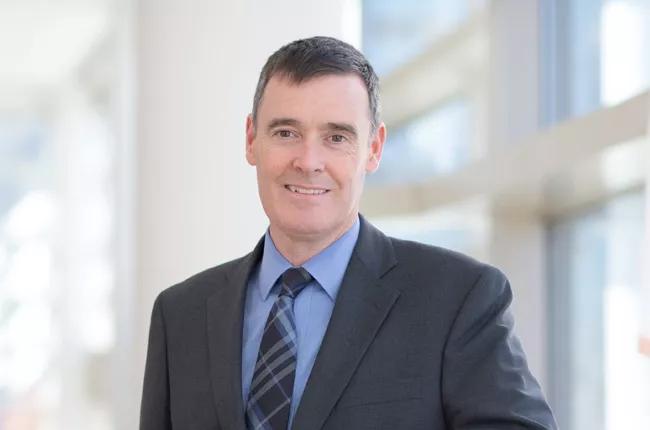
Image content: This image is available to view online.
View image online (https://assets.clevelandclinic.org/transform/95644ac5-6175-4ff0-ae96-bfb4d4b267f6/15-DDI-2421-Delaney-650x450-CQD_jpg)
15-DDI-2421-Delaney-650×450-CQD
A: The opioid epidemic is truly a massive crisis in our country. Approximately 60,000 people die every year from opioid-related events.
Advertisement
Cleveland Clinic is a non-profit academic medical center. Advertising on our site helps support our mission. We do not endorse non-Cleveland Clinic products or services. Policy
Compare this to the Vietnam War memorial, an emotionally impactful memorial which lists the 58,000 names of service men and women who died over the 15-year period of the Vietnam War. Opioids are doing this to our country every year. In Ohio, it’s a particular problem, so this is one crisis that is very close to home.
So what can we do as surgeons? I think there are many things we can do. First, I think by optimally using minimally invasive surgical approaches and optimizing perioperative care with multimodal analgesia, appropriate nerve blocks and careful attention to technique, we can get many patients home after major abdominal surgery taking minimal or no opioids. This is a frequent event for us now. We have up to 30 percent of patients going home the day after minimally invasive bowel resection and many of them take no opioids.
Even with these advances, many patients still need opioids. It behooves us to not automatically give prescriptions for 60 or 80 strong opioid pills. There are good data that many of these pills lay unused and that up to 1 in 16 patients prescribed opioids after surgery become addicted. We should prescribe smaller prescriptions, less frequently, and give smaller refills when necessary.
This takes effort. We have to tell our patients that pain is normal after surgery. The goal of medications is to make the pain bearable, not to remove all pain.
In addition, there is now some interesting research that explores personalized medicine for patients having major surgery. In a paper that we published in the American Journal of Surgery in March of this year, we explored the use of pharmacogenetics to optimize analgesic choices for patients undergoing surgery. Somewhat to our surprise, as we already have a highly evolved enhanced recovery protocol, we had to change the analgesics we chose in 50 percent of our patients. Patients often overmetabolize or undermetabolize certain agents, leading to us giving higher doses of an opioid that won’t work or increasing the chance of patients having complications from medications.
Advertisement
So whether it’s by combining technology, new standards of care or simply controlling the amount of opioids that we prescribe, this is something that is crucially important for our patients ― and a must as we try and improve the overall health of the populations we serve.
Conor Delaney, MD, PhD
Chairman, Digestive Disease & Surgery Institute
Cleveland Clinic
Follow Dr. Delaney on Twitter @ConorDelaneyMD
Advertisement
Advertisement

Strong patient communication can help clinicians choose the best treatment option
ctDNA should be incorporated into care to help stratify risk pre-operatively and for post-operative surveillance

The importance of raising awareness and taking steps to mitigate these occurrences
New research indicates feasibility and helps identify which patients could benefit
Treating a patient after a complicated hernia repair led to surgical complications and chronic pain
Standardized and collaborative care improves liver transplantations
Fewer incisions and more control for surgeons

Caregiver collaboration and patient education remain critical
 Search