Locations:





Our latest volume and outcomes data in infographic form
Below we share recent volumes and clinical outcomes from a sampling of centers in Cleveland Clinic’s Miller Family Heart, Vascular & Thoracic Institute.
Advertisement
Cleveland Clinic is a non-profit academic medical center. Advertising on our site helps support our mission. We do not endorse non-Cleveland Clinic products or services. Policy
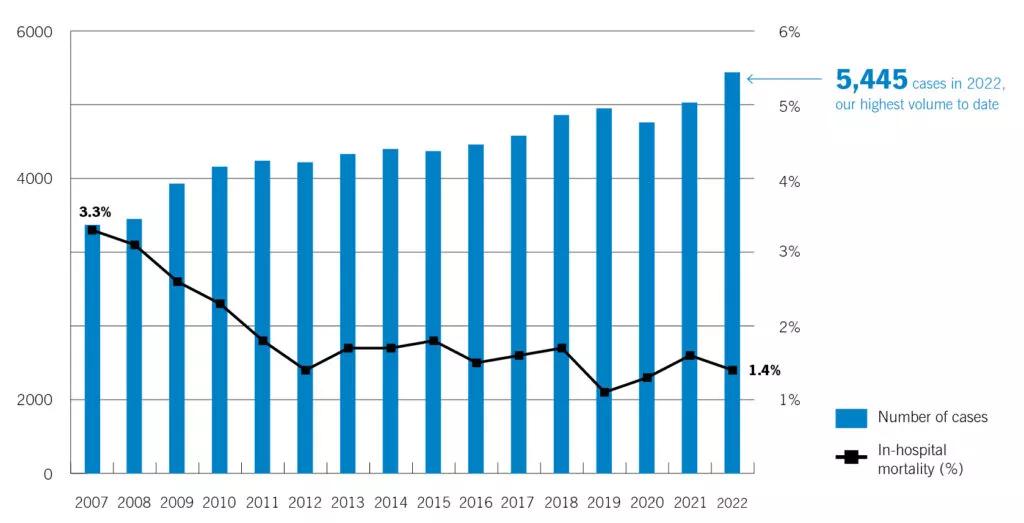
Image content: This image is available to view online.
View image online (https://assets.clevelandclinic.org/transform/cec89f44-b339-460f-97e2-c84575c2aa60/23-HVI-3629308-Inset-1-1024x523_jpg)
Over the past 16 years, mortality for adult cardiac surgery cases at Cleveland Clinic has substantially trended downward at the same time that case complexity has increased and volumes have steadily risen.
Cleveland Clinic received the highest Composite Quality Rating (three stars) for the following procedures in the most recent Society of Thoracic Surgeons (STS) Adult Cardiac Surgery Database report (for the three-year period ending in June 2022):
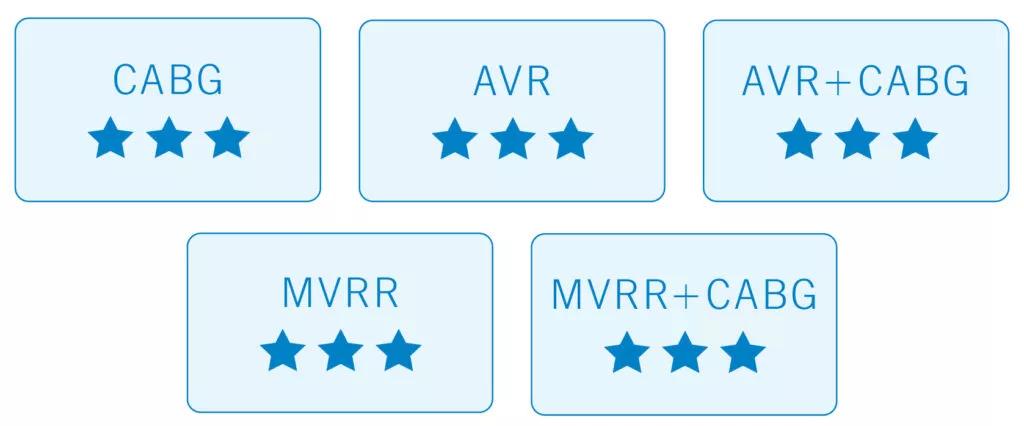
Image content: This image is available to view online.
View image online (https://assets.clevelandclinic.org/transform/bec41fd5-9c42-4f29-9f6b-fce6a573a45c/23-HVI-3629308-Inset-2-1024x426_jpg)
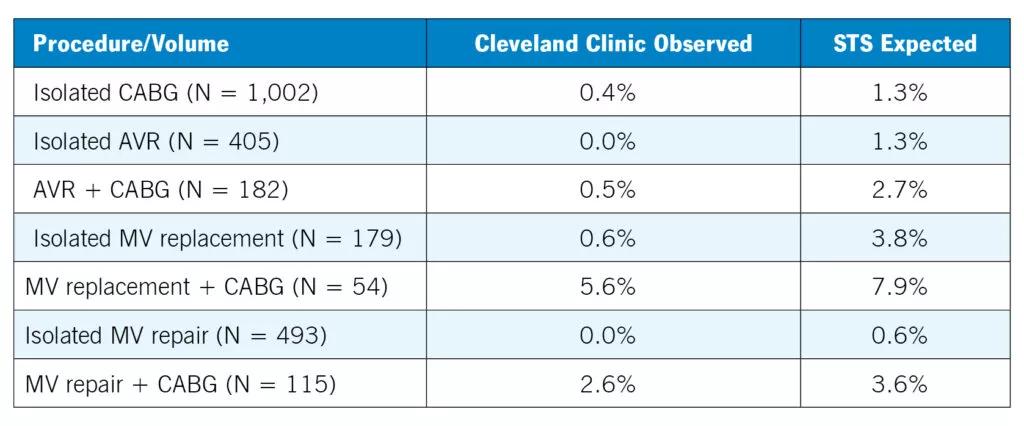
Image content: This image is available to view online.
View image online (https://assets.clevelandclinic.org/transform/f79a23b0-699a-4a0b-bdff-401b42e7b8ce/23-HVI-3629308-Inset-3-1024x426_jpg)
(vs. 1.3% STS predicted mortality)
(vs. 2.7% STS predicted mortality)
(no predicted rate available)
(vs. 3.8% STS predicted mortality)
(no predicted rate available)
(no predicted rate available)
Cleveland Clinic’s Heart, Vascular & Thoracic Institute has a long-established tradition of reporting volume and outcomes data across its various subspecialty areas. For more information like the data reported above, visit clevelandclinic.org/hvtioutcomes and clevelandclinic.org/e15.
Advertisement
Advertisement
A sampling of outcome and volume data from our Heart & Vascular Institute
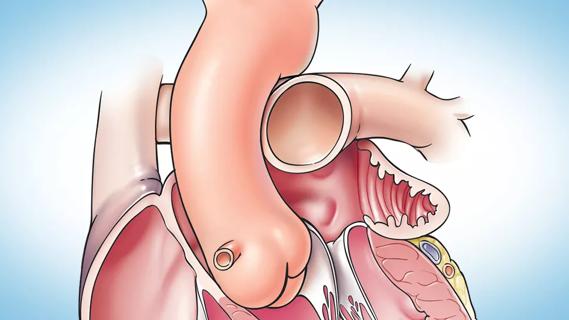
Concomitant AF ablation and LAA occlusion strongly endorsed during elective heart surgery
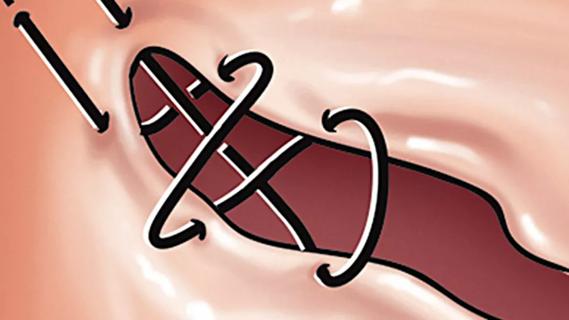
Large retrospective study supports its addition to BAV repair toolbox at expert centers
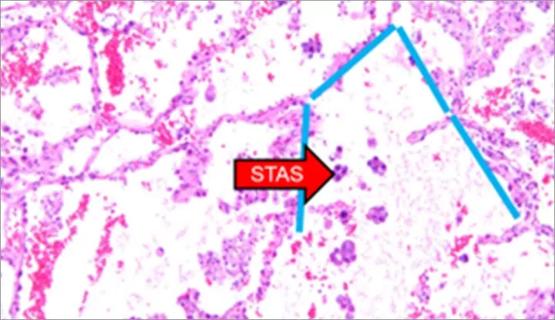
Young age, solid tumor, high uptake on PET and KRAS mutation signal risk, suggest need for lobectomy
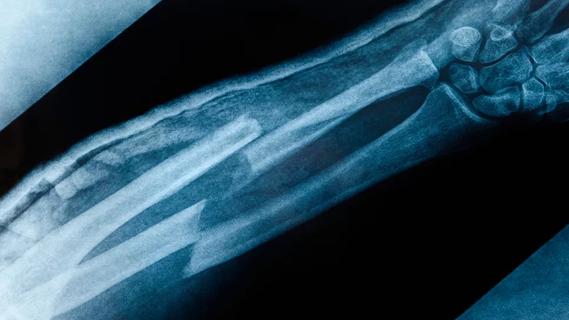
Surprise findings argue for caution about testosterone use in men at risk for fracture
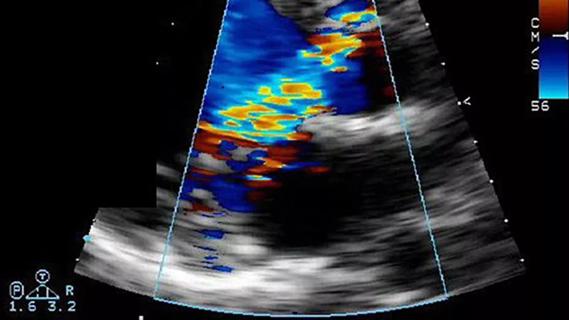
Residual AR related to severe preoperative AR increases risk of progression, need for reoperation

Findings support emphasis on markers of frailty related to, but not dependent on, age
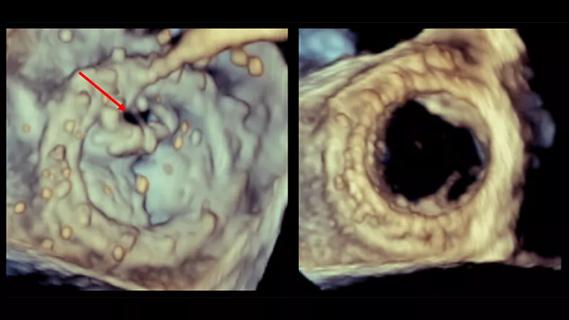
Provides option for patients previously deemed anatomically unsuitable
 Search