Locations:





When to suspect vasculitis and how to treat it
Podcast content: This podcast is available to listen to online.
Listen to podcast online (https://www.buzzsprout.com/2243576/13534553)
The prevalence of stroke in young adults — those under age 50 — is on the rise. One reason is the increase in atherosclerotic risk factors in this population. Other etiologies include inherited thrombophilias and hypercoagulability disorders, valvular heart disease and — perhaps more notably —autoimmune causes such as vasculitis, which have been on the rise.
Advertisement
Cleveland Clinic is a non-profit academic medical center. Advertising on our site helps support our mission. We do not endorse non-Cleveland Clinic products or services. Policy
The newest episode of Cleveland Clinic’s Neuro Pathways podcast reveals more about stroke in young patients. G. Abbas Kharal, MD, MPH, a cerebrovascular immunologist with Cleveland Clinic’s Neurological Institute, discusses:
Click the podcast player above to listen to the episode now, or read on for a short edited excerpt. Check out more Neuro Pathways episodes at clevelandclinic.org/neuropodcast or wherever you get your podcasts.
Dr. Kharal: When should we suspect vasculitis? It’s important to note when we have the right clinical presentation: a younger patient with headaches, subacute encephalopathy, a subacute decline, recurrent ischemic strokes that really don’t fit in one specific cerebrovascular territory, and other constitutional symptoms. That is when to think that there’s something inflammatory going on.
The initial tests that lead us to diagnose a vasculopathy are, first, a brain MRI showing that there are new ischemic infarcts, and then some sort of vessel imaging, be it a CTA or MRA, that can demonstrate if there is a vasculopathy at all. Often you’ll be able to identify large- and medium-sized vessels on a CTA or MRA. However, smaller vessels, particularly those that are a couple of hundred micrometers in diameter, the tertiary and quaternary branches, are better visualized on cerebral angiography or DSA [digital subtraction angiography].
Advertisement
Once you have imaging showing vessel irregularities and CT or MRI evidence of new acute infarcts, you’ve established that there is some form of vasculopathy. But you still have not diagnosed whether or not it is inflammatory! That’s a common mistake I see clinicians make. Someone will do an angiogram and see vascular irregularities and say, “This is suggestive of vasculitis.” However, all we can tell on an angiogram or any vessel imaging is whether or not there is a vasculopathy.
The presence of vasculitis requires either an inflammatory CSF or tissue diagnosis — or, particularly in secondary causes, elevated inflammatory markers or other inflammatory signs and symptoms.
Once you’ve established a diagnosis of inflammatory vasculitis, that is when you want to further determine whether it is primary or secondary.
Advertisement
Advertisement

New study advances understanding of patient-defined goals

Testing options and therapies are expanding for this poorly understood sleep disorder
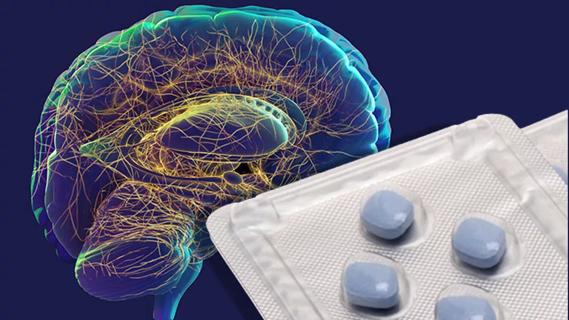
Real-world claims data and tissue culture studies set the stage for randomized clinical testing
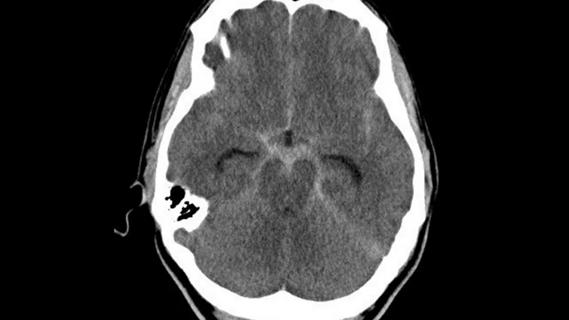
Digital subtraction angiography remains central to assessment of ‘benign’ PMSAH

Cleveland Clinic neuromuscular specialist shares insights on AI in his field and beyond
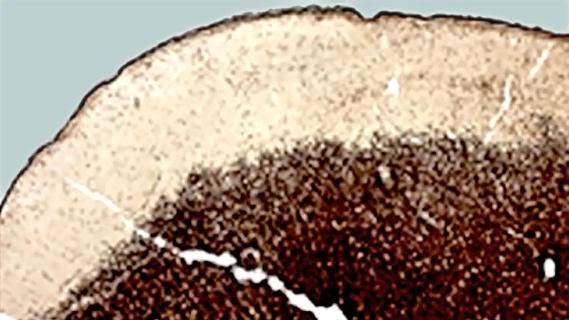
Findings challenge dogma that microglia are exclusively destructive regardless of location in brain

Neurology is especially well positioned for opportunities to enhance clinical care and medical training
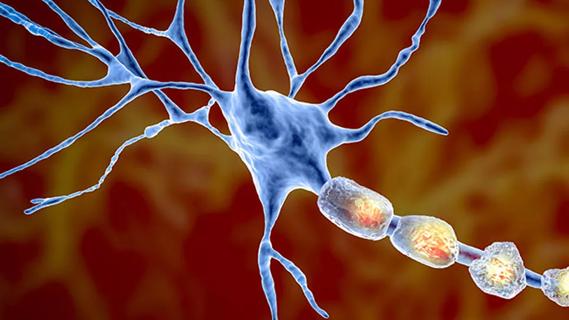
New review distills insights from studies over the past decade
 Search