Locations:





Q&A with Drs. John Bartholomew and Heather Gornik
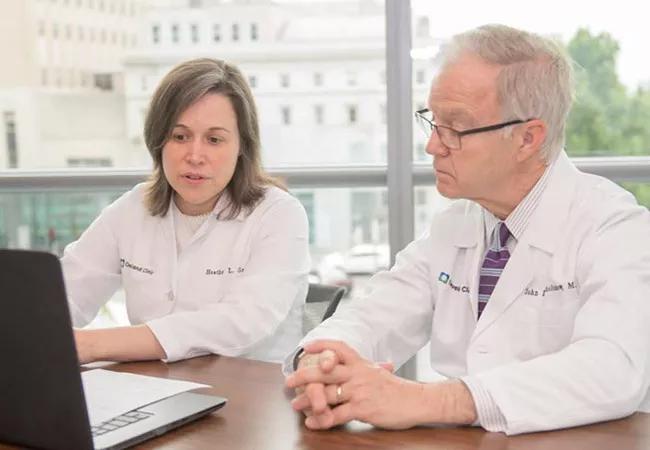
Image content: This image is available to view online.
View image online (https://assets.clevelandclinic.org/transform/1fd588ee-d836-4c07-9ae0-d8219b12714e/17-HRT-3489-GornikBarthol-QA_jpg)
Q&A with Drs. John Bartholomew and Heather Gornik
In June, Cleveland Clinic cardiologist and vascular medicine specialist Heather Gornik, MD, became the first female president of the Society for Vascular Medicine (SVM), succeeding John R. Bartholomew, MD, Cleveland Clinic’s Section Head of Vascular Medicine, who had been SVM president for the prior two years.
Advertisement
Cleveland Clinic is a non-profit academic medical center. Advertising on our site helps support our mission. We do not endorse non-Cleveland Clinic products or services. Policy
The two physicians (pictured above) recently sat down for a Q&A to discuss their visions for the future of vascular medicine. Their shared goals include growing SVM’s membership and working to gain formal recognition of their subspecialty from the American Board of Internal Medicine.
Q: What are the biggest challenges that vascular medicine faces?
Dr. Bartholomew: Recruiting more vascular medicine physicians. I was SVM president-elect for two years and then president for two more, and growth has been a challenge throughout that period. The society now has about 500 members.
Dr. Gornik: One barrier to recruitment is the fact that there are not a lot of programs in existence that can train vascular medicine specialists. Here at Cleveland Clinic we’ve had a comprehensive one-year fellowship program in clinical vascular medicine for decades, but that’s not the case at most centers.
Dr. Bartholomew: Another challenge is that the American Board of Internal Medicine has not yet recognized vascular medicine as a subspecialty, despite our petitioning for this recognition. Disciplines like sleep medicine and palliative care have been recognized, and I think ours is equally important.
Q: What are some of the biggest opportunities in vascular medicine?
Dr. Gornik: Because our field is small and there is so much work that needs to be done, there are abundant opportunities for research and to make one’s mark, especially for young doctors. For instance, there are many common and rare vascular diseases that are woefully understudied, underdiagnosed, and undertreated. A great example is peripheral artery disease, which has been examined substantially less than coronary artery disease. There are also rare diseases that are very poorly understood, and for which vascular medicine specialists have led the way in research.
Advertisement
Q: What might vascular medicine specialists do to elevate the specialty?
Dr. Bartholomew: We need to continue and enhance our presence at the national level by speaking at major meetings like those of the American Heart Association, the American College of Cardiology, the American College of Physicians and the American College of Chest Physicians, to name a few.
Q: What do other specialties need to recognize about vascular medicine?
Dr. Bartholomew: That we are often the go-to doctors when a colleague doesn’t know what’s going on with a patient. All vascular medicine physicians are internists, but we also offer subspecialty expertise in cardiology, hematology, vascular surgery and many other areas. In addition, most of us are experts in anticoagulation, managing clotting problems and managing leg edema, which a lot of physicians tend to overlook.
Q: Dr. Bartholomew, what was one of the key accomplishments during your term?
We worked with other medical and surgical societies to convince the Medicare Evidence Development & Coverage Advisory Committee (MEDCAC) to reimburse for a rehabilitation walking program for patients with peripheral artery disease (PAD). Medicare used to deny coverage for this, but now they’re going to recognize and approve what’s known as supervised exercise therapy. This will be important for many older patients with PAD, who will now be able to work with exercise therapists or physical therapists to improve their walking capacity, much like heart attack patients have benefited from Medicare reimbursement for cardiac rehab.
Advertisement
Q: Dr. Gornik, what are some priorities for your term?
While SVM president, I want to help fill the pipeline of early-career internal medicine physicians and even medical students who might be interested in vascular medicine. I also plan to work with colleagues to achieve recognition of vascular medicine as a formal subspecialty of internal medicine. I plan to engage SVM members to accomplish these priorities, looking to past presidents and senior providers to help, as well as the next generation of “fresh out of fellowship” vascular medicine specialists. We need everyone to work for our cause.
Q: Dr. Gornik, will you continue as editor-in-chief of SVM’s journal, Vascular Medicine?
Absolutely. It’s a unique opportunity for me personally and for the organization. Staying on as editor also ensures that my commitment to the society will continue for years beyond the end of my presidential term. As editor, I’m able to keep my finger on the pulse of research in this field. This role has also allowed me to grow relationships between the journal and the society and use the journal to advocate for the society and the specialty through some of the content we publish.
Advertisement
Advertisement
A sampling of outcome and volume data from our Heart & Vascular Institute
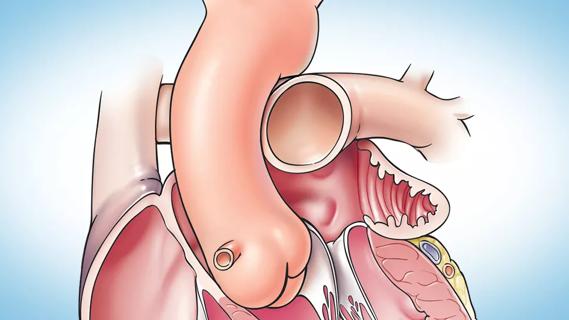
Concomitant AF ablation and LAA occlusion strongly endorsed during elective heart surgery
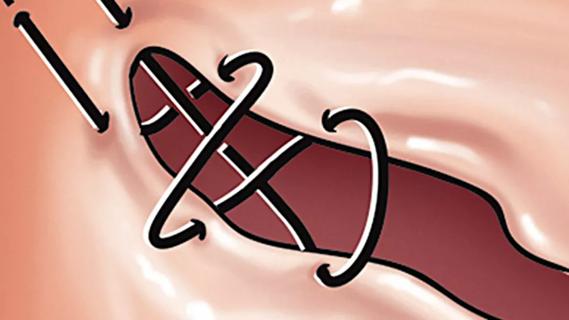
Large retrospective study supports its addition to BAV repair toolbox at expert centers
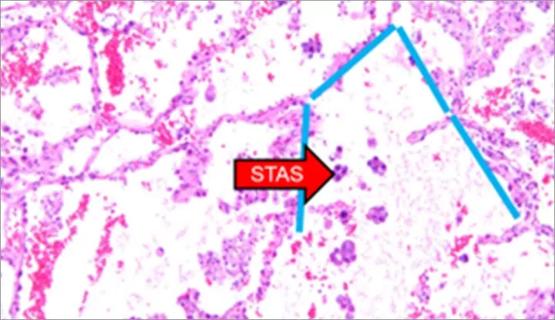
Young age, solid tumor, high uptake on PET and KRAS mutation signal risk, suggest need for lobectomy
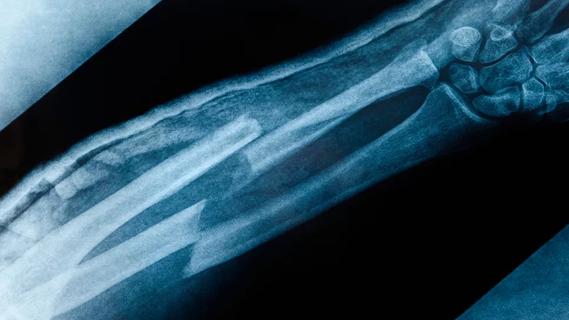
Surprise findings argue for caution about testosterone use in men at risk for fracture
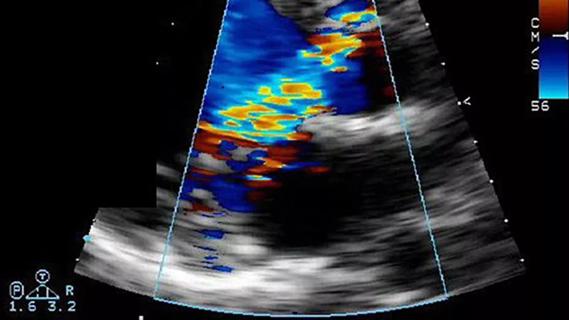
Residual AR related to severe preoperative AR increases risk of progression, need for reoperation

Findings support emphasis on markers of frailty related to, but not dependent on, age
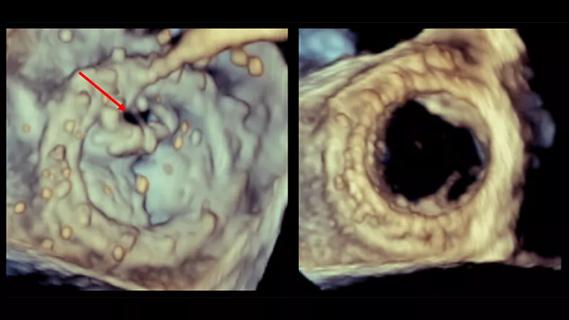
Provides option for patients previously deemed anatomically unsuitable
 Search