Locations:





Narrated intraoperative walk-through with a master surgeon
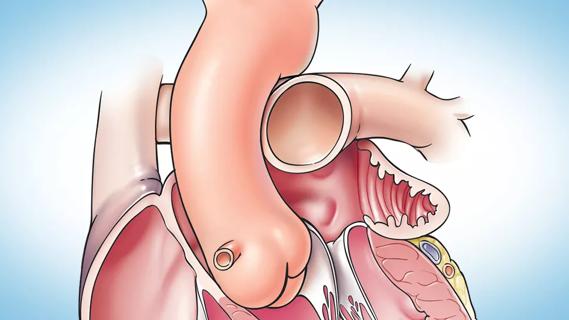
Surgical repair of aortic root aneurysms with preservation of the native aortic valve and no need for long-term anticoagulation. That is the objective of the LGS reimplantation procedure, an operation developed by Cleveland Clinic cardiothoracic surgeon Lars G. Svensson, MD, PhD, based on multiple modifications of the aortic valve-sparing operation originally described by Tirone David, MD.
Advertisement
Cleveland Clinic is a non-profit academic medical center. Advertising on our site helps support our mission. We do not endorse non-Cleveland Clinic products or services. Policy
“Our modifications have resulted in a safer, much more reliable operation that’s been durable over time,” says Dr. Svensson, Chair of Cleveland Clinic’s Miller Family Heart & Vascular Institute. “We use this reimplantation operation for patients who have a leaking or intact aortic valve but an associated large aortic root aneurysm.”
The so-called David reimplantation procedure, first described in the early 1990s by Dr. David, involves mobilizing the aortic valve, inserting it within a polyester tube graft, attaching coronary buttons, and then replacing the aneurysmal root and ascending aorta. The operation demonstrated good durability, but a number of complications — including fistulas, mitral valve tears and aortic valve leakage over time — prompted efforts to further refine the technique.
Among those leading the efforts was Dr. Svensson, who visited Dr. David later in the 1990s to learn the procedure. Dr. Svensson’s subsequent modifications of the operation included the following:
These modifications were described by Dr. Svensson in a 2003 publication (Ann Thorac Surg. 2003;76:1751-1753), and the modified operation has been called the Svensson or LGS reimplantation procedure.
Advertisement
As of mid-2016, Cleveland Clinic surgeons had performed over 640 LGS reimplantation surgeries, representing the world’s largest experience in valve-preserving aortic root aneurysm repair. Results have been excellent, with an overall mortality of 0.47 percent, including 0.17 percent mortality among 586 elective cases.
In this narrated intraoperative video, Dr. Svensson demonstrates and explains intricate essentials of the procedure and shares pearls from his extensive experience with the technique.
Video content: This video is available to watch online.
View video online (https://www.youtube.com/embed/Za0oa4Wwe1U?feature=oembed)
Valve-Sparing LGS Reimplantation Operation for Aortic Root Aneurysm Repair (Graphic)
Advertisement
Advertisement

A sampling of outcome and volume data from our Heart & Vascular Institute
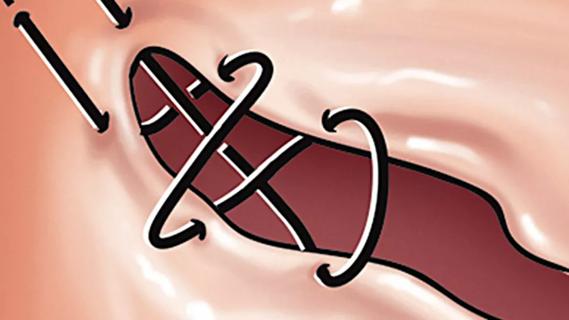
Concomitant AF ablation and LAA occlusion strongly endorsed during elective heart surgery
Large retrospective study supports its addition to BAV repair toolbox at expert centers
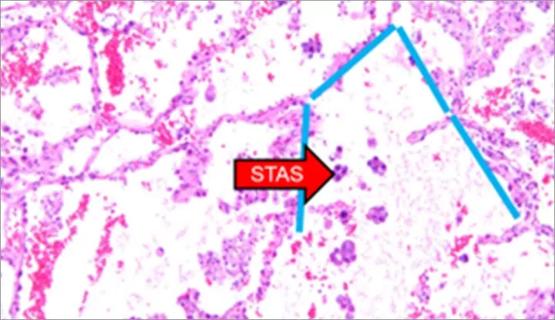
Young age, solid tumor, high uptake on PET and KRAS mutation signal risk, suggest need for lobectomy
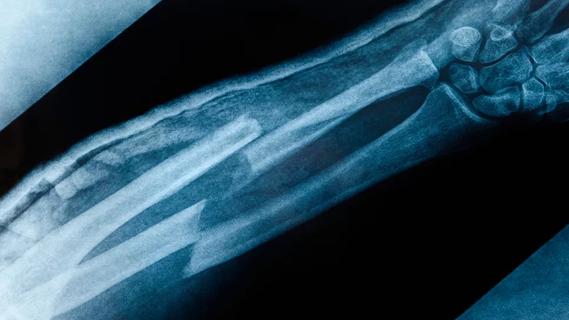
Surprise findings argue for caution about testosterone use in men at risk for fracture
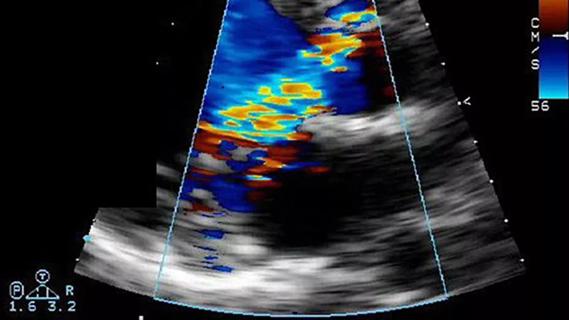
Residual AR related to severe preoperative AR increases risk of progression, need for reoperation

Findings support emphasis on markers of frailty related to, but not dependent on, age
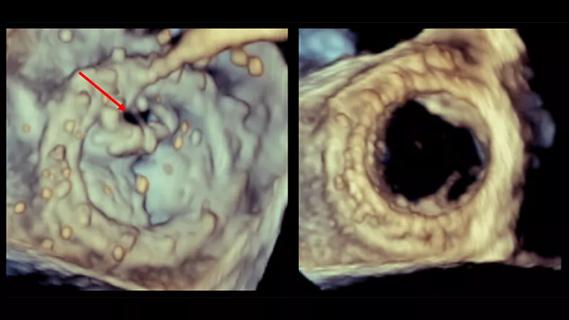
Provides option for patients previously deemed anatomically unsuitable
 Search