Locations:





 Search
2nd consecutive honor for residency program
Image content: This image is available to view online.
View image online (https://assets.clevelandclinic.org/transform/b10c5494-8bbf-4f7b-af8c-dc9fd3dc0742/15-HHB-2192-Urology-Doximity-CQD-Hero-Image-690x380pxl_02_jpg)
15-HHB-2192 Urology Doximity CQD Hero Image 690x380pxl_02
Cleveland Clinic Glickman Urological & Kidney Institute’s Urology Residency Training Program, ranked No. 1 in the nation for the second consecutive year by the online physician network Doximity, in collaboration with U.S. News & World Report, provides challenging clinical experiences with opportunities for basic, translational, clinical and outcomes research.
Advertisement
Cleveland Clinic is a non-profit academic medical center. Advertising on our site helps support our mission. We do not endorse non-Cleveland Clinic products or services. Policy
Image content: This image is available to view online.
View image online (https://assets.clevelandclinic.org/transform/d983e0bf-a518-4e6d-8a2b-a6ff6d42a1df/151114_CC_UrologyResidency_graphic_opt1_HR1_jpg)
Doximity’s residency reputation listings reflect the opinions of more than 38,000 board-certified physicians evaluating 3,691 residency training programs across 20 specialties. The award, initiated in 2014, indicates which residency programs physicians hold in the highest regard for quality of clinical training. Medical students can access Doximity Residency Navigator to compare residency training programs nationwide.
Cleveland Clinic’s six-year program integrates one year of general surgery/pre-specialty training, one year of research and four years of clinical urology training.
Launched in 2011, Doximity (doximity.com) connects physicians to make them more successful and productive. With nearly two-thirds of all US physicians as members, collaborating across every specialty and academic medical center, Doximity is the largest secure medical network in the country. Doximity is headquartered in Silicon Valley and was created by the founders of Epocrates.
Advertisement
Advertisement

Clinicians should individualize dosing practices based on patient risk factors and preferences
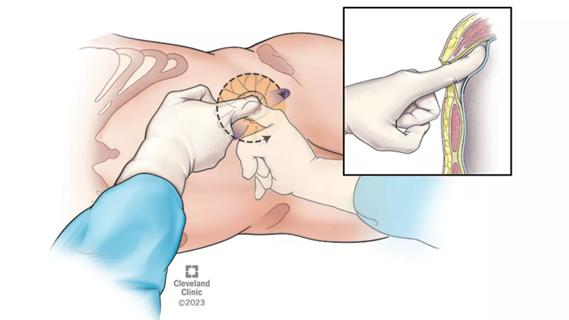
Pioneering and refining the approach in pyeloplasty, nephrectomy and more
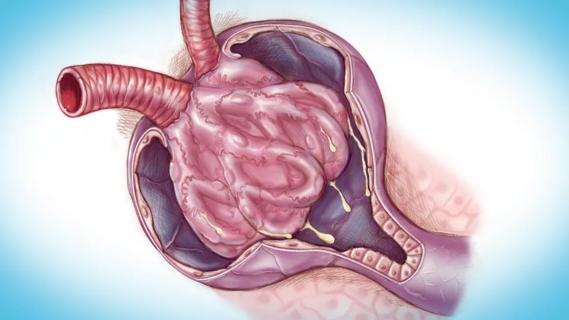
Fully-automated process uses preop CT, baseline GFR to estimate post-nephrectomy renal function
Could mean earlier treatment, but also could have negative effects

Unlike earlier pills, new drugs do not cause liver toxicity
Male factors play a role in about half of all infertility cases, yet men often are not evaluated
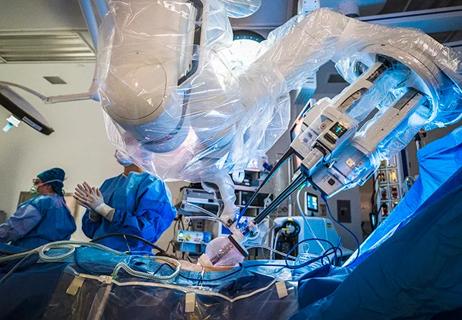
Surgeons choreograph nearly simultaneous procedures, sharing one robot between two patients

Identifying barriers in the renal genetic assessment of Black patients