Locations:





New analysis suggests associations between Lactobacillus and continence
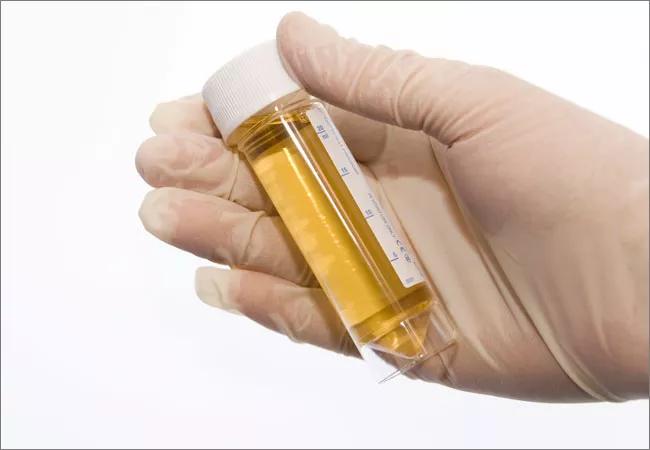
Image content: This image is available to view online.
View image online (https://assets.clevelandclinic.org/transform/787c15a1-8894-49cf-b166-aad7257eed28/urine-sample_650x450_jpg)
urine-sample_650x450
Combinations of bacteria may influence urinary symptoms, particularly in younger women, according to a recent study.
Advertisement
Cleveland Clinic is a non-profit academic medical center. Advertising on our site helps support our mission. We do not endorse non-Cleveland Clinic products or services. Policy
In order to provide insight into both the pathophysiology of mixed urinary incontinence (MUI) and varied response to treatment for the condition, a recent study analyzed the urine microbiome in women with and without MUI using data from the Effects of Surgical Treatment Enhanced with Exercise for Mixed Urinary Incontinence (ESTEEM) project.
Researchers found that Lactobacillus may be associated with continence, while Gardnerella and Prevotella may be associated with incontinence. Proportions or combinations of these bacteria may influence urinary symptoms, particularly in younger women. Previous studies confirm the presence of a distinct female urinary microbiome, and recent evidence suggests a relationship between the urinary microbiome and urge urinary incontinence or overactive bladder.
“This study confirms the results of previous work,” says urogynecologist Katie Propst, MD. “It is reassuring to us as researchers when we get results that are similar to other studies, especially in these early stages. We know we’re on the right track, and we can use this information to further future studies. “
Thought to be the leading cause of incontinence in hospital and community settings, MUI is a combination of the symptoms related to stress incontinence and urge incontinence. Women with MUI may experience involuntary urine loss on exertion, such as laughter or a sneeze, and leakage associated with urgent and frequent urination and nocturia.
Urinary incontinence impacts a patient’s health and quality of life. It has been associated with depression, increased falls and nursing home admission. Additionally, the costs of pads, diapers and bedding can be a significant financial burden.
Advertisement
There are several treatments available. Initially, patients with MUI are managed through lifestyle interventions, such as weight loss, reducing fluid intake (especially intake of caffeine and carbonated drinks) and pelvic floor muscle training. Weight loss, smoking cessation and timed voiding are additional behavioral modifications that can relieve MUI symptoms. In some cases, pharmacologic and surgical therapies may be prudent.
“MUI is particularly difficult to treat. There’s a lot we still don’t understand about what causes MUI – and especially the symptoms of overactive bladder,” Dr. Propst states. “Clinically, there’s a huge range. Some patients have mild symptoms that respond well to behavioral changes. In others, we try medications and procedures, and they don’t always respond.”
In this study, researchers conducted bivariate analysis of several factors thought to be related to MUI, including: the impact of age, BMI, race, ethnicity, smoking status, number of urinary tract infections in the past year, whether the patient was ever pregnant, menstrual status, Lactobacillus predominance, prescription estrogen replacement and bacterial community, as measured by Dirichlet mutinominal mixture (DMM). The study had two aims: to examine the difference in Lactobacillus predominance and compare the bacterial taxa between women with MUI and a control group.
Six distinct urinary communities were identified on DMM analysis. The proportion of women belonging to DMM community types differed between MUI and controls. DMM communities also differed in age and smoking history. Clustering individuals into groups based on entire composition of urinary microbiome, the researchers found that BMI and specific DMM communities were associated with MUI. Women in low and moderate Lactobacillus community types were seven to eight times more likely to also have MUI. In older women, BMI was associated with MUI, but not microbiome communities. Women over age 51 had less Lactobacillus predominance than younger women.
Advertisement
According to Dr. Propst, “It’s interesting that women younger than 51 had differences in their microbiome compared to older women. It raises more questions, such as: are the patients younger than 51 a different patient population all together? Is the mechanism of disease different?”
Future research might parse out whether it is the high preponderance of health-associated bacteria or the shift in balance of MUI-associated bacteria that contributes to bladder symptoms, and whether or not these bacterial communities are predictive of treatment success.
“Our goals for urinary microbiome research are at least two fold. First, we need to better understand the microbiome itself, and to discern what role it plays in health or disease states. Second, is to understand if we can prevent MUI or find a cure. Right now we really don’t have cures. We have treatments that can help relieve symptoms, but nothing to cure the syndrome itself.”
Advertisement
Advertisement

Counseling and careful surgical considerations are key

Deprivation is linked to impaired glucose intolerance and racial disparities

Perioperative prophylaxis and class III obesity

Artesunate ointment is safe well and tolerated patients with vulvar intraepithelial neoplasia
Endoscopic balloon dilation during pregnancy helps optimize outcomes
Researchers examine waste and implore colleagues to take action

Mode of delivery does not affect patient satisfaction
 Search