Locations:





Nurses help women have natural birth without interventions
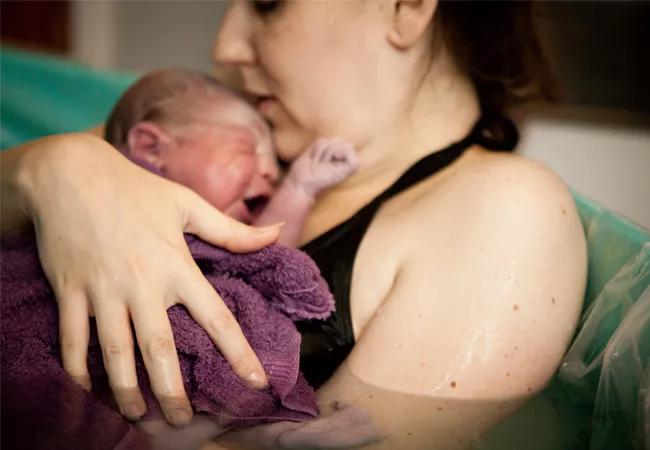
Image content: This image is available to view online.
View image online (https://assets.clevelandclinic.org/transform/ff80b63c-bd4a-4755-8ca9-93434d3a94fb/18-NUR-777-Burke-Hero-Image-650x450pxl_jpg)
18-NUR-777-Burke-Hero-Image-650x450pxl
In April 2017, Cleveland Clinic Fairview Hospital opened a labor/delivery/recovery/postpartum unit that utilizes a low intervention, midwife care model to offer a home-like birth experience. Fairview Family Birth Place provides patients a space for normal physiologic labor and birth, which are powered by the innate human capacity of the woman and fetus, according to the American College of Nurse-Midwives.
Advertisement
Cleveland Clinic is a non-profit academic medical center. Advertising on our site helps support our mission. We do not endorse non-Cleveland Clinic products or services. Policy
“The country is moving toward physiologic birth,” says Angela Washer, MSN, WHNP-BC, C-EFM, in the role of clinical nurse specialist for Women’s and Children’s Services at Fairview Hospital. “The United States Preventive Health Task Force talks a lot about the benefits of physiologic birth and exclusive breastfeeding. They help moms and babies stay healthy for a lifetime and save on healthcare costs throughout their lifespan.”
Physiologic birth includes spontaneous labor and delivery, exclusive breastfeeding and use of alternative pain relief methods, such as nitrous oxide utilization. It excludes interventions that interfere with the natural physiology of childbirth, such as induction of labor and epidural analgesia. Benefits can include reduced peripartum morbidity, primarily through avoidance of interventions; an improved birth experience through access to supportive care and involvement in decision-making; and stronger maternal-infant attachment.
In 2015, Washer spearheaded the initiative to open a physiologic birth unit along with Joyce Arand, MSN, CNS, RNC, NEA-BC, Nursing Director for Cleveland Clinic Women’s and Children’s Services, and Dusty Burke, MSN, RN, now nurse manager of the Family Birth Place. They organized a steering committee for the project, which included the director of obstetrics and gynecology at Fairview Hospital, the regional director of obstetrics and gynecology for Cleveland Clinic, Fairview’s midwifery director and representatives from the hospitalist and laborist groups.
Advertisement
The committee worked with an architect and design team, with whom Burke had weekly meetings. “The team started by analyzing the space and deciding what we had to work with, how many rooms we could incorporate, and how to best utilize the remaining space,” says Burke. Based on that analysis, the Family Birth Place has nine patient rooms, six of which serve as labor/delivery/recovery/postpartum rooms (LDRPs) and three of which are solely postpartum rooms. Four of the LDRPs include tubs for patients to labor in, and two rooms have queen-size beds. The unit also has a labor lounge and a family lounge.
“The overall atmosphere you get when you step on the unit is calm and relaxing,” says Burke. “We have a lot of natural light, and the white walls are offset by natural wood tones. We try to make the setting as home-like as possible.” For example, patients can request candles and aromatherapy.
Once the steering committee decided on the unit’s design, members tackled clinical aspects of the Family Birth Place, such as admission and eligibility criteria. Requirements for admission to the unit include the following:
Advertisement
In addition, the unit doesn’t offer continuous fetal monitoring, so any risks that require monitoring would prevent admission to the Family Birth Place.
Approximately 20 nurses work on the unit, with three nurses on duty during each shift. “The nurses are very dedicated,” says Washer. “They believe in their hearts that physiologic birth is the right thing to do. It’s spiritual for them.”
In 2017, the Family Birth Place had 170 deliveries. For many pregnant women, the unit offers a great alternative to the hospital’s traditional birthing center.
Washer recalls a woman who was pregnant with her third child. She labored at home to ensure she was in active labor upon arrival. When the woman came to the triage area at Fairview Hospital, her cervix was already dilated 9 centimeters. “The concern was that maybe she should just go the Birthing Center since the birth was imminent,” says Washer. “But the patient was very determined to come to the Family Birth Place. The mind is a powerful thing. She held off until she got to the unit, then delivered about 10 minutes later.”
The unit’s patient satisfaction scores have been well above the 90th percentile since opening. “We don’t hear negative comments,” says Burke. “If anything, people wish the Family Birth Place had been here sooner!”
As part of its Healthy Birth Initiative™, the American College of Nurse-Midwives offers maternity care providers a physiologic birth toolkit.
Advertisement
Advertisement

Nurses play key role in comprehensive lifetime treatment program
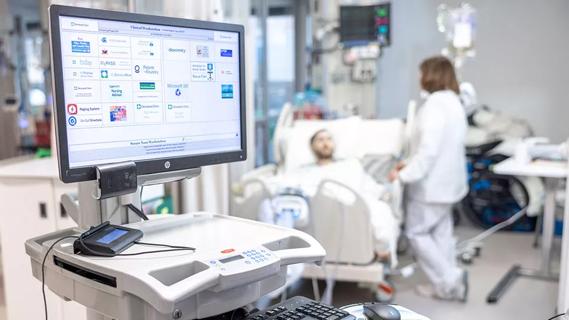
Customized bots improve speed, efficiency by streamlining daily clinical, clerical tasks
Nurses play pivotal role in patients’ ability to recover in the comfort of their own homes
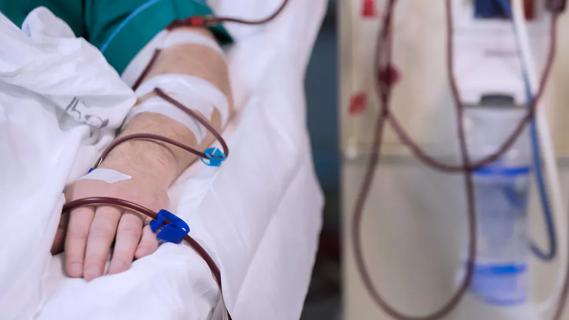
New protocol reduces costs, increases patient and caregiver satisfaction

Advocating for patient safety is imperative in fast-paced surgical settings

M-Power program improves the perinatal experience for people who have survived abuse

Advice for those pursuing a WOC nursing career

Veteran nurse shares his experience as a caregiver and community volunteer
 Search