Locations:





Pharmacologic, procedural and surgical treatments abound
Trigeminal neuralgia, or tic douloureux, can cause sudden, sporadic and debilitating burning or shock-like pain in the face or head. While rare — affecting only four to five out of 100,000 people — it affects more women than men and is more common in older adults. Patients of any age require a thorough workup since trigeminal neuralgia can be triggered by multiple sclerosis or a brain tumor.
Advertisement
Cleveland Clinic is a non-profit academic medical center. Advertising on our site helps support our mission. We do not endorse non-Cleveland Clinic products or services. Policy
Emad Estemalik, MD, Section Head of Headache and Facial Pain in Cleveland Clinic’s Center for Neurological Restoration, discusses the challenges of diagnosing and treating this condition in the latest episode of Cleveland Clinic’s Neuro Pathways podcast.
His brief audio interview highlights the following:
Click the player below to listen to the podcast now, or read on for a short edited excerpt. Check out more Neuro Pathways episodes at clevelandclinic.org/neuropodcast or wherever you get your podcasts.
Podcast content: This podcast is available to listen to online.
Listen to podcast online (https://www.buzzsprout.com/2243576/13534573)
Dr. Estemalik: We always like to have patients first seen by one of our headache specialists or neurologists to ensure the accurate diagnosis has been made and the workup has been concluded. Patients should exhaust all pharmacological and procedural treatments before seeing a neurosurgeon. At a later point when, for instance, treatments are not working anymore, we discuss surgical approach.
The vast majority of patients do respond to the initial treatment, so that is good news. Some of the drugs that we use — like seizure medications, antidepressants and skeletal muscle relaxants — though they work, often have side effects. We try to work with the patient on the best medical option.
Then there are certain procedures that are very simple — like trigeminal nerve blocks and botulinum toxin injections — that also can provide pain relief. Our goal is to exhaust all these options before going to the next step, surgical intervention.
Advertisement
Again, we have a group of physicians, neurologists, headache specialists and surgeons who work closely together in setting the treatment plan.
The one thing we always tell our trigeminal neuralgia patients is that this is a chronic illness. We are not going to cure it right away, and it’s very, very likely that it’s always going to be there.
Advertisement
Advertisement

New study advances understanding of patient-defined goals

Testing options and therapies are expanding for this poorly understood sleep disorder
Real-world claims data and tissue culture studies set the stage for randomized clinical testing
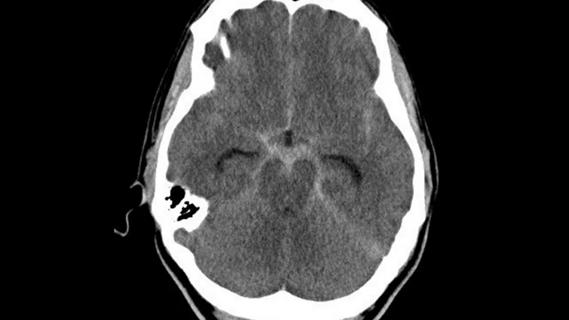
Digital subtraction angiography remains central to assessment of ‘benign’ PMSAH

Cleveland Clinic neuromuscular specialist shares insights on AI in his field and beyond
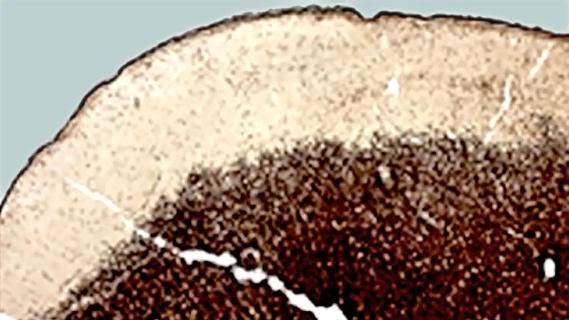
Findings challenge dogma that microglia are exclusively destructive regardless of location in brain

Neurology is especially well positioned for opportunities to enhance clinical care and medical training
New review distills insights from studies over the past decade
 Search