Locations:





An important goal of the Center for Vasculitis Care and Research
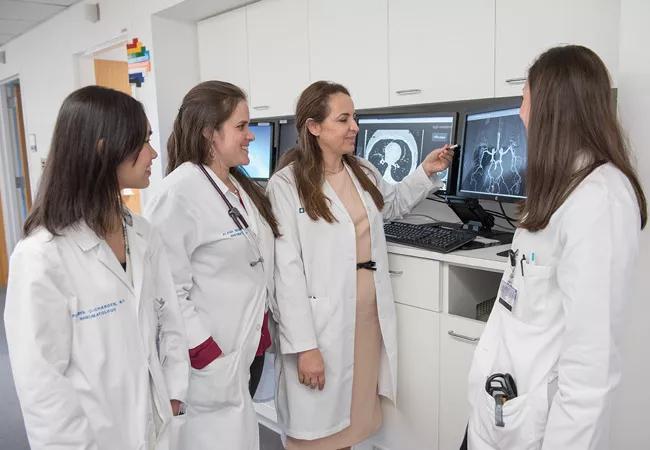
Image content: This image is available to view online.
View image online (https://assets.clevelandclinic.org/transform/33a8f1d8-b87c-4db5-a421-6bf70a9408f4/16-RHE-2507-Hajj-Ali-ConsultQD-650x450_jpg)
16-RHE-2507 Hajj-Ali ConsultQD 650×450
Advertisement
Cleveland Clinic is a non-profit academic medical center. Advertising on our site helps support our mission. We do not endorse non-Cleveland Clinic products or services. Policy
The vasculitides are complex diseases that are often serious and sometimes fatal. Prompt recognition and initiation of therapy are fundamental for preservation of organ function and even life.
The combined prevalence for all forms of vasculitis in the United States is about 30 in 100,000. However, this varies for different vasculitic diseases, ranging from 3 in 100,000 for granulomatosis with polyangiitis (Wegener’s) to 26 in 100,000 for giant cell arteritis. About 100,000 Americans per year are hospitalized for care of vasculitis. While these numbers are relatively small compared with those for heart disease or cancer, the impact of vasculitis is substantial, most importantly on patients and their families, but also on society through the effect on our workforce and healthcare system.
The rarity of the vasculitides provides challenges for rheumatology training programs in exposing fellows to the diagnosis and care of these complex patients. In most programs, rheumatology trainees may encounter only a limited number of patients with systemic vasculitis, leading to gaps regarding the recognition and treatment of these patients. Moreover, as research expands into the use of newer therapeutic agents in vasculitic disease, current and future rheumatologists will have an even greater need to stay abreast of the data and critically evaluate the clinical implications.
Cleveland Clinic’s Center for Vasculitis Care and Research, directed by Carol Langford, MD, MHS, is dedicated to improving the lives of people with vasculitis through patient care, research and education. In supporting our educational directive, the center has developed an infrastructure for our rheumatology fellows that provides them with a full circle experience of didactic learning and the application of this evidence-based information to the direct care of patients.
Advertisement
Fellows gain knowledge not only from within rheumatology but also from multiple medical and surgical disciplines that are critical to the effective management of people with vasculitis.
Fellows’ vasculitis clinic – The vasculitis clinical training for rheumatology fellows includes both inpatient and outpatient experience. Trainees follow and care for the patients they encounter during hospitalization throughout their fellowship in our fellows’ vasculitis clinic. To ensure that the fellows are trained to handle both an initial visit and a case over time, patients are added to this clinic on their first visit to Cleveland Clinic. This provides trainees the opportunity not only to follow their established patients but also to evaluate new patients for possible vasculitis in an outpatient setting.
Vasculitis module – In addition to their own continuity clinics, the rheumatology fellows are required to rotate at least four weeks per year through clinics of center faculty. The first of these rotations is held before the fellows’ first inpatient rotation, providing them the background to assess hospitalized vasculitis patients. The rotations also offer fellows supervised opportunities with different center staff to evaluate vasculitis patients.
Lectures and multidisciplinary conferences – The fellows’ clinical training includes multiple introductory lectures in vasculitis from center faculty within the first weeks of their arrival. Combined conferences throughout the year with vascular, neurology and infectious disease colleagues provide opportunities for the trainees to discuss cases from a different perspective and to review the most current literature.
Advertisement
We believe that this teaching model gives trainees knowledge and confidence regarding how to approach patients with vasculitis, leading to better patient care during and after their fellowships.
Guided by a solid tradition of excellence and a commitment to our center goals, we strive to champion clinical training in vasculitis for our future rheumatologists and their patients.
Dr. Hajj-Ali supervises the fellows’ vasculitis clinic as Associate Director of the Center for Vasculitis Care and Research.
Advertisement
Advertisement
Treatment strategies require understanding of pathomechanisms
Education, prevention strategies and monitoring serves this at-risk group
Treatment for scleroderma can sometimes cause esophageal symptoms
Lupus Clinic providers collaborate to advance treatment and understanding
Older Psoriasis Patients May Experience Quicker Transition
Cleveland Clinic’s Rheumatic Lung Disease program treats patients with complex conditions
Symptoms complement one another

E-coaching program is tailored for those with the disease
 Search