Locations:





Goal is improving care for complex patients
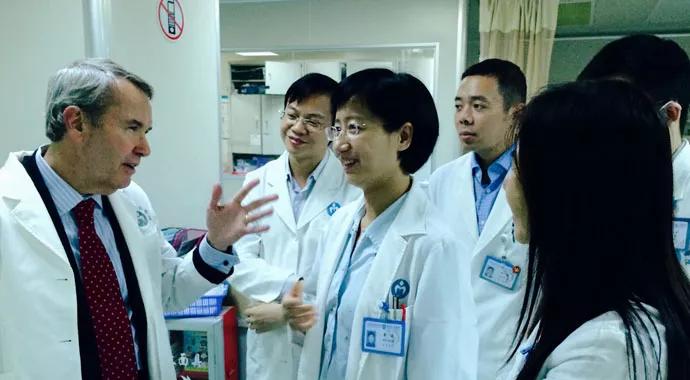
Image content: This image is available to view online.
View image online (https://assets.clevelandclinic.org/transform/36a9e300-3e52-4228-b612-92e72a741cc3/CC-China-690x380_jpg)
Top Chinese Heart Institute Opens Dialogue with Cleveland Clinic
At the invitation of one of China’s largest and most sophisticated heart programs — the Guangdong Cardiovascular Institute of Guangdong General Hospital — Cleveland Clinic cardiovascular specialists have been sharing information on a variety of topics related to patient care and experience.
Advertisement
Cleveland Clinic is a non-profit academic medical center. Advertising on our site helps support our mission. We do not endorse non-Cleveland Clinic products or services. Policy
“They are very advanced, but they want to be even better,” says Cleveland Clinic cardiac surgeon Michael Zhen-Yu Tong, MD.
“They want to explore how we manage quality and keep patients happy,” adds Brian Griffin, MD, head of Cleveland Clinic’s Section of Cardiovascular Imaging. “This is information we are happy to share.”
In April, Drs. Tong and Griffin joined Cleveland Clinic colleagues Paul Schoenhagen, MD, a cardiovascular imaging specialist, and Randall Starling, MD, MPH, Head of the Section of Heart Failure and Cardiac Transplant Medicine, in visiting Guangdong General Hospital in Guangzhou (also known as Canton), where they presented talks at the 17th Annual South China International Congress of Cardiology there.
The Cleveland Clinic group also included Maria Hunt and Grace Xiaoli Yu from the Center for International Medical Education, who helped arrange and organize the visit.
“It’s exciting to know there are hospitals in China that are interested in same things we are,” says Dr. Griffin. “They are quite efficient in their use of resources, and we can learn from that.”
Guangdong General Hospital is one of the largest heart hospitals in China, performing about 4,500 heart surgeries a year. Its Guangdong Cardiovascular Institute is the most advanced in the region.
“It is similar to Cleveland Clinic, with comparable departments and a large referral population,” says Dr. Schoenhagen, who edits a cardiovascular journal published in China.
Although Guangdong General Hospital’s reputation for clinical and research excellence attracts patients throughout China and Southeast Asia, the hospital’s leadership identified areas needing improvement and asked Cleveland Clinic to share its expertise on a variety of topics.
Advertisement
“Their cardiac surgeons are highly skilled, but they need to build the skill of the institution,” says Dr. Tong.
Cleveland Clinic’s review of postoperative practices highlighted the need for specialized intensive care units, cardiac intensivists and cardiac hospital floors staffed with nurses who have received subspecialty training. “If you are going to care for complex patients, the nurses need special training to recognize problems early,” notes Dr. Tong.
Teams from the two institutions also discussed how Cleveland Clinic collects, organizes and uses data for quality improvement and research.
Guangdong General Hospital has a thriving practice in congenital heart disease, but in the absence of a system for obtaining donor hearts in China, it cannot offer heart transplantation. So Dr. Starling discussed alternatives to transplantation, as well as the structure of Cleveland Clinic’s training programs for residents, fellows and nurses in cardiology and cardiac specialties.
Drs. Schoenhagen and Griffin discussed how patients with heart disease are imaged and how Cleveland Clinic uses “private medical cloud” technology to organize imaging data and make images available securely throughout the system, including on mobile phones.
The Chinese government covers a portion of healthcare costs, and patients must use private insurance or cash to cover the remainder. The province of Guangdong is a wealthy area with a booming economy. Families are willing to pay for the best care. As a result, competition among hospitals has increased.
Advertisement
Teams from the two institutions also talked about ways to improve the physician-patient relationship and Cleveland Clinic’s programs designed to enhance patient satisfaction. As a result, Guangdong General Hospital sent a delegation to attend Cleveland Clinic’s Patient Experience Summit in May.
The South China International Congress of Cardiology attracts 7,000 attendees from throughout the region. The Cleveland Clinic specialists presented the following four talks at the conference’s international forum
Although Guangdong General Hospital and Cleveland Clinic have not formalized their relationship, the Cleveland Clinic delegates look forward to attending the congress again next year and continuing their discussions with their Chinese colleagues.
“We were impressed,” says Dr. Griffin. “They are well organized, sophisticated and do a great deal of research. They want to do everything better, and they learn fast.”
The Guangdong Cardiovascular Institute integrates clinical treatment, scientific research and education in cardiovascular disease. Its clinical departments include adult and pediatric cardiovascular medicine, interventional cardiology, adult and pediatric cardiovascular surgery, cardiovascular anesthesiology, cardiovascular radiology and cardiac rehabilitation.
Advertisement
The Guangdong Cardiovascular Institute is ranked among the top hospitals in China for the diagnosis and treatment of congenital heart disease, valve disease, coronary heart disease and hypertension.
Its research institute has laboratories focused on epidemiology, coronary heart disease, rheumatic heart disease, cardiovascular clinical pharmacology and cardiovascular molecular biology.
The Guangdong Cardiovascular Institute was the first in China to perform:
It was also the first in its province to perform:
Advertisement
Advertisement
A sampling of outcome and volume data from our Heart & Vascular Institute
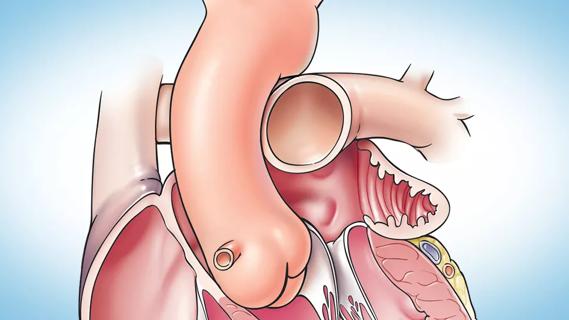
Concomitant AF ablation and LAA occlusion strongly endorsed during elective heart surgery
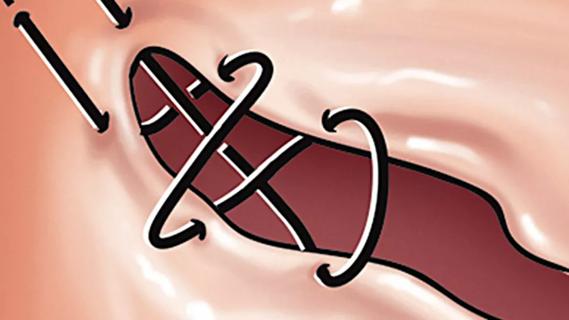
Large retrospective study supports its addition to BAV repair toolbox at expert centers
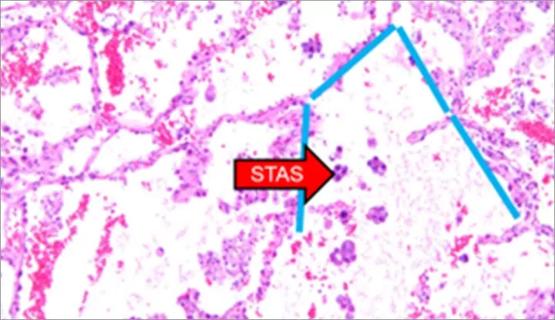
Young age, solid tumor, high uptake on PET and KRAS mutation signal risk, suggest need for lobectomy
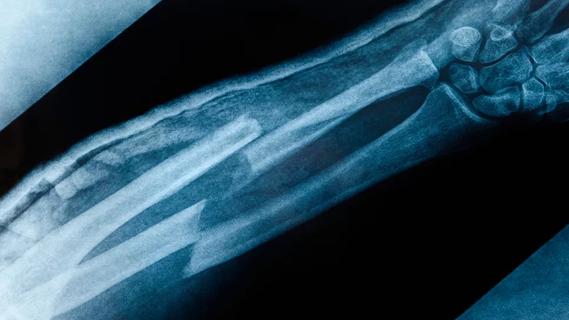
Surprise findings argue for caution about testosterone use in men at risk for fracture
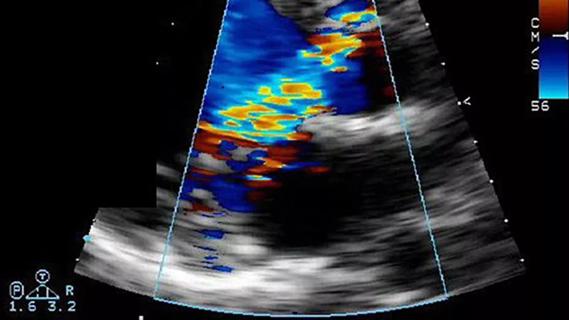
Residual AR related to severe preoperative AR increases risk of progression, need for reoperation
Findings support emphasis on markers of frailty related to, but not dependent on, age
Provides option for patients previously deemed anatomically unsuitable
 Search