Locations:





Two-day CME designed for general cardiologists and primary care clinicians
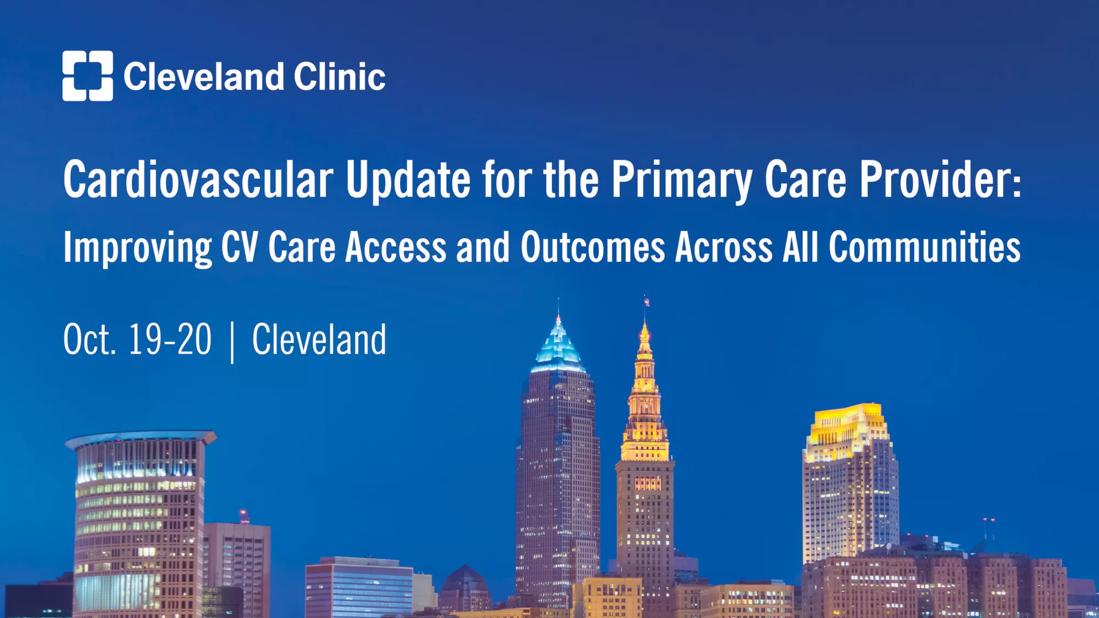
Image content: This image is available to view online.
View image online (https://assets.clevelandclinic.org/transform/21172402-b887-431f-89d0-666a6560a19b/23-HVI-3837760-CQD-650x450-1-scaled_jpg)
23-HVI-3837760 CQD 650×450
This fall, Cleveland Clinic and the Association of Black Cardiologists will present “Cardiovascular Update for the Primary Care Provider: Improving CV Care Access and Outcomes Across All Communities” in Cleveland.
Advertisement
Cleveland Clinic is a non-profit academic medical center. Advertising on our site helps support our mission. We do not endorse non-Cleveland Clinic products or services. Policy
The live CME event — held Thursday-Friday, Oct. 19-20, at the Hilton Cleveland Downtown — is ambitious in design. Not only will it provide participants with a review of cardiology fundamentals and recent changes in the diagnosis and treatment of common cardiovascular (CV) conditions, but it will do so through the lens of addressing disparities in CV disease management to promote the highest quality of care across all patient communities.
“Differences in cardiovascular outcomes along multiple dimensions including race, gender and income are well described,” says course co-director Lee Kirksey, MD, MBA, Vice Chair of Vascular Surgery and Chief Equity and Community Engagement Officer in Cleveland Clinic’s Miller Family Heart, Vascular & Thoracic Institute. “The genesis of these proven disparities is multifactorial. Renowned faculty from across the country will provide a detailed understanding of not only the causes of these disparities and barriers to their elimination but, more importantly, provider and healthcare system solutions for achieving equity in patient outcomes.”
More than three dozen expert faculty from Cleveland Clinic and the Association of Black Cardiologists will survey the latest and most useful knowledge in preventive cardiology and health promotion, structural heart disease, heart failure and heart rhythm disorders.
Additional sessions explore CV disease in special populations and targeted strategies for meeting the CV health needs of underserved communities. Content will be delivered in topical sessions that each comprise several 15- or 20-minute talks and culminate in a panel discussion and Q&A.
Advertisement
Discussions throughout will be attuned to prevention and management across various populations, addressing social determinants of health outcomes, race-specific CV disease and the impact of socioeconomic factors, as well as care disparities related to race, ethnicity and sex. Additionally, an entire session is devoted to issues specific to special populations, including (among others) pregnant patients, athletes (elite and non-elite) and the very old.
Other presentations will address overcoming racial and ethnic disparities specific to particular conditions, such as transthyretin amyloid cardiomyopathy (ATTR-CM) and peripheral artery disease.
The final session, on Friday afternoon, will focus on identifying and meeting the CV needs of underserved communities, including discussion of strategies to increase diversity in the CV workplace and to advance healthcare equity. It will conclude with a community leader roundtable forum.
“Cleveland Clinic is a leader in providing high-quality care to many surrounding communities and is committed to healthcare system transformation that reduces disparities in cardiovascular care,” says course co-director Lars Svensson, MD, PhD, Chair of Cleveland Clinic’s Heart, Vascular & Thoracic Institute.
Despite the “primary care” in the course title, general cardiologists were central to curriculum planning for this course and will glean much from the many cardiology subspecialists on the faculty along with experts in cardiac and vascular surgery, endocrinology, nephrology, geriatrics and nutrition.
Advertisement
Joining Drs. Kirksey and Svensson as a third course co-director will be Ike Okwuosa, MD, of the Association of Black Cardiologists and the Feinberg School of Medicine, Northwestern University.
For the full agenda and to register, visit ccfcme.org/cvdisparity23.
This activity has been approved for AMA PRA Category 1 Credit™ and ABIM MOC points.
Advertisement
Advertisement
A sampling of outcome and volume data from our Heart & Vascular Institute
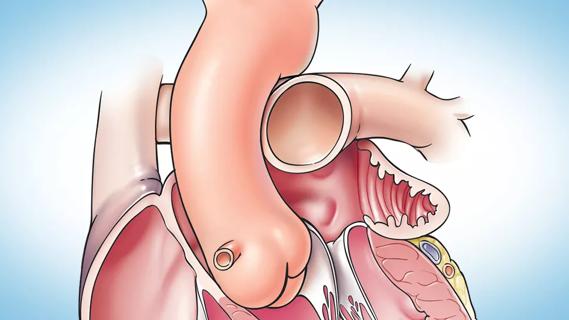
Concomitant AF ablation and LAA occlusion strongly endorsed during elective heart surgery

Large retrospective study supports its addition to BAV repair toolbox at expert centers
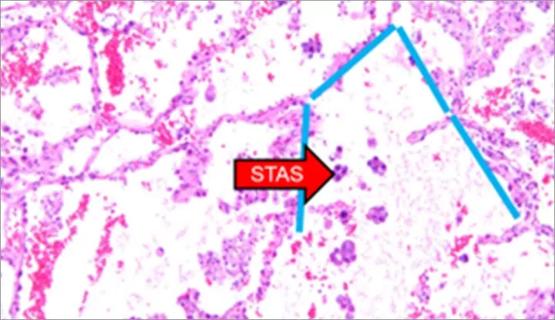
Young age, solid tumor, high uptake on PET and KRAS mutation signal risk, suggest need for lobectomy
Surprise findings argue for caution about testosterone use in men at risk for fracture
Residual AR related to severe preoperative AR increases risk of progression, need for reoperation

Findings support emphasis on markers of frailty related to, but not dependent on, age
Provides option for patients previously deemed anatomically unsuitable
 Search