Locations:





New review identifies the limited guidance that can be offered

Image content: This image is available to view online.
View image online (https://assets.clevelandclinic.org/transform/886370e9-3e5f-4e3f-a57c-3198c5c3cba2/21-HVI-2541214-CQD-Hero-650x450-1_jpg)
21-HVI-2541214-CQD-Hero-650×450 (1)
The obesity paradox in heart failure— the finding that obesity has been associated with lower mortality in some heart failure studies — is no longer novel, but it remains incompletely understood. Nevertheless, appreciation of this paradox has important clinical implications, given the high prevalence of obesity among patients with heart failure.
Advertisement
Cleveland Clinic is a non-profit academic medical center. Advertising on our site helps support our mission. We do not endorse non-Cleveland Clinic products or services. Policy
Such appreciation is particularly helpful when advising patients with (or at risk of) heart failure about weight management and cardiorespiratory fitness, as the latter appears to be a major factor influencing the obesity paradox. That’s the premise of a recent review in the Cleveland Clinic Journal of Medicine (2021;88:449-458) by Luke Laffin, MD, and Erik Van Iterson, PhD, MS, of Cleveland Clinic’s Miller Family Heart, Vascular & Thoracic Institute, along with recent Cleveland Clinic resident Asad Khan, MD.
“Obesity increases the risk of developing heart failure regardless of fitness level, but better cardiorespiratory fitness attenuates the risk,” says Dr. Laffin, a cardiologist in the Section of Preventive Cardiology and Rehabilitation.
“Weight appears to be only a part of the obesity paradox story,” adds Dr. Van Iterson, Director of Cardiac Rehabilitation. “Evidence indicates that cardiorespiratory fitness can be a significant modifier of the paradox as well.”
The bulk of their review article distills current understanding of the roles of cardiorespiratory fitness and body mass index (BMI) in individuals with heart failure, leading to several key conclusions:
Advertisement
The authors conclude their review with guidance for counseling patients as evidence on these questions continues to evolve. They begin by emphasizing two major themes that are supported by studies to date:
They note that advice beyond this is less clear, as the latest U.S. and European guidelines on heart failure offer only limited guidance on managing obesity in patients with established heart failure. Moreover, a 2018 position paper from the Heart Failure Association of the European Society of Cardiology supports cardiopulmonary exercise testing only for assessing the risk of heart failure.
Against this backdrop of scarce guidance, the authors propose a few recommendations for patients:
Advertisement
The review concludes with an overview of remaining research priorities. High on the list is better evaluation of obesity’s impact on different heart failure phenotypes. “There are distinct pathophysiologic differences between heart failure with reduced, mid-range and preserved ejection faction, with corresponding differences in therapeutic responses,” says Dr. Van Iterson. “Analyses that group all patients with heart failure together may blur results.”
A similar priority is defining BMI thresholds at which obesity’s effect shifts from protective to deleterious. “Various classes of obesity are frequently combined in studies,” Dr. Van Iterson says. The authors call for future research to examine the effect of fitness on the obesity paradox separately for individuals with class II (BMI of 35 to 39 kg/m2) versus class III (> 40 kg/m2) obesity.
Another key research priority is exploring differing effects of various interventions for weight reduction in the context of the obesity paradox in heart failure. “Future studies should assess relative risk reduction of specific exercise training combined with metabolic surgery or pharmacotherapy-induced weight loss in patients with heart failure,” the authors conclude.
The full open-access review article is available here.
Advertisement
Advertisement
A sampling of outcome and volume data from our Heart & Vascular Institute
Concomitant AF ablation and LAA occlusion strongly endorsed during elective heart surgery
Large retrospective study supports its addition to BAV repair toolbox at expert centers
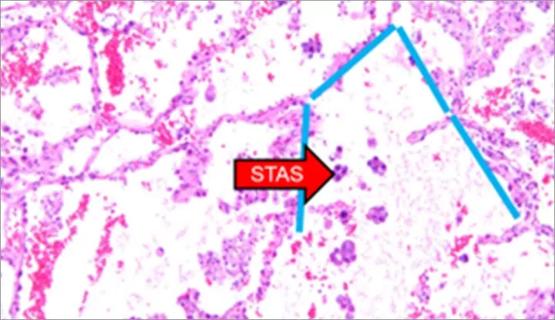
Young age, solid tumor, high uptake on PET and KRAS mutation signal risk, suggest need for lobectomy
Surprise findings argue for caution about testosterone use in men at risk for fracture
Residual AR related to severe preoperative AR increases risk of progression, need for reoperation

Findings support emphasis on markers of frailty related to, but not dependent on, age
Provides option for patients previously deemed anatomically unsuitable
 Search